With more than 10‑year industry experience, Shandong Headpowder delivers full‑service pneumatic‑conveying systems and blowers, undertaking nationwide turn‑key powder‑handling projects.
HeadPowder, a leading engineering company based in Shandong, China, specializes in the design and implementation of advanced material handling systems. The company's expertise lies in creating efficient and reliable solutions for transporting calcined sand and similar bulk materials through pneumatic conveying lines. This article delves into the fundamental principles and operational characteristics of such systems, highlighting their practical applications and benefits.
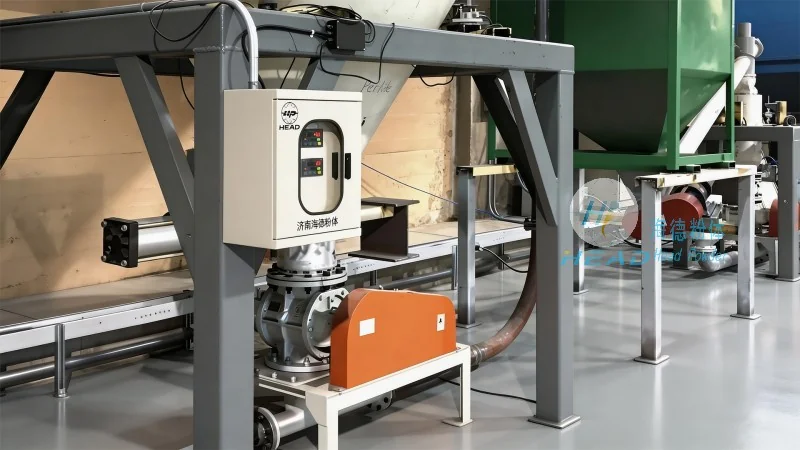
Calcined sand, a critical material in various industrial processes, requires specialized handling due to its properties and the need for precise control during transport. Pneumatic conveying lines offer an effective solution by utilizing air to move materials through pipelines, eliminating the need for mechanical components like belts or buckets. HeadPowder Engineering Co., Ltd., with its headquarters in Shandong, has developed cutting-edge systems that optimize the performance of these lines for calcined sand applications.
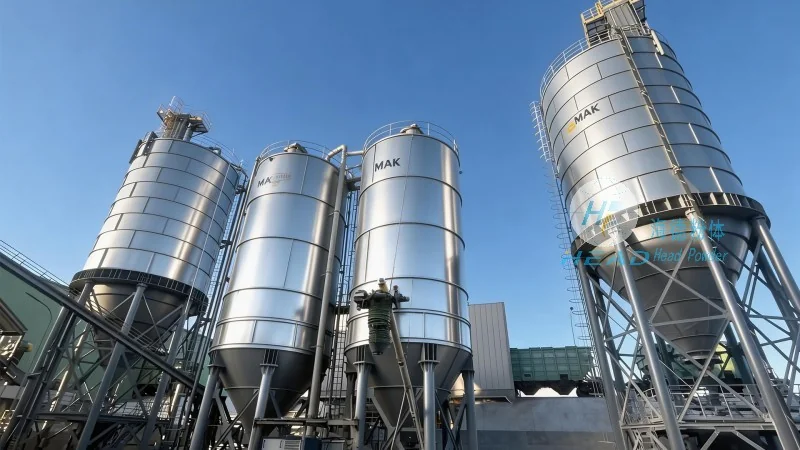
The core principle of a calcined sand pneumatic conveying line is the use of compressed air to create a flow that transports the material from the source to the destination. The system typically consists of a hopper, a blower or compressor, a pipeline network, and a discharge point. As air is introduced into the hopper, it lifts the calcined sand particles and propels them through the pipeline. The velocity and pressure of the air are carefully controlled to ensure the material moves efficiently without causing blockages or excessive wear on the system components. This pneumatic approach provides a dust-free and continuous transport method, which is particularly advantageous for calcined sand due to its fine particle size and potential for dust generation.
The operational characteristics of calcined sand pneumatic conveying lines are tailored to specific industrial environments and material handling requirements. These systems are designed to handle materials with varying particle sizes, densities, and flow characteristics. In industrial settings, such as foundries, glass manufacturing plants, and chemical processing facilities, the lines are integrated into existing production workflows to ensure seamless material transfer. The flexibility of pneumatic conveying allows for changes in material flow rates and destinations, making it adaptable to dynamic production schedules. Additionally, the systems are engineered to minimize energy consumption and maintenance costs, contributing to overall operational efficiency.

Implementing a calcined sand pneumatic conveying line offers several advantages over traditional material handling methods. The primary benefit is the ability to transport materials in a closed system, which reduces dust exposure and environmental impact. This is crucial for maintaining workplace safety and complying with environmental regulations. Furthermore, the system provides a continuous and uniform flow of material, which enhances process control and product quality. In applications like sand recycling, where material purity is essential, the pneumatic conveying line ensures that calcined sand is transported without contamination from other substances. HeadPowder Engineering Co., Ltd. has successfully deployed these systems in various industries, demonstrating their reliability and effectiveness in improving production efficiency and reducing operational costs.

 Shandong Headpowder Engineering Co., Ltd.
 156-6277-7102(Manager Zhang)
  0531-83386006
  Zhangqiu District, Jinan City, Shandong Province, China
telephone
WeChatconsult
top