With more than 10‑year industry experience, Shandong Headpowder delivers full‑service pneumatic‑conveying systems and blowers, undertaking nationwide turn‑key powder‑handling projects.
When it comes to handling and transporting bentonite powder, selecting the right conveying method is crucial for efficiency, safety, and cost-effectiveness. As a leading manufacturer in the industry, Shandong HeadPowder Engineering Co., Ltd. specializes in providing reliable solutions tailored to various industrial applications. This article explores the primary methods of bentonite powder conveying, highlighting their advantages and typical applications.
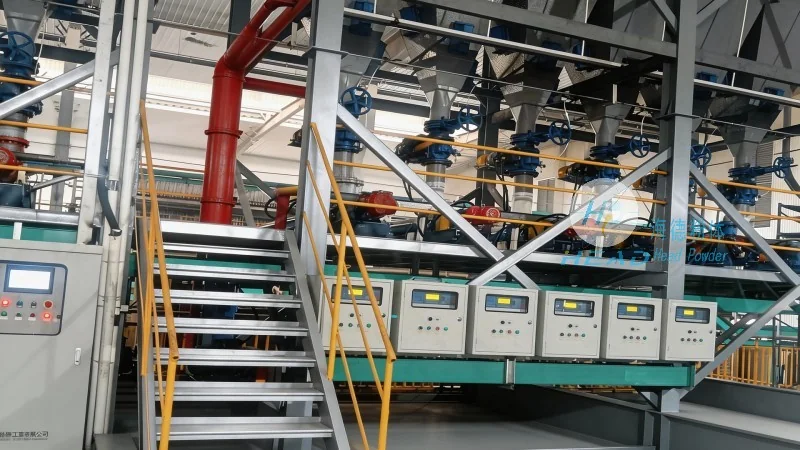
Pneumatic conveying, also known as air-powered conveying, is a widely used method for transporting bentonite powder due to its ability to handle fine powders over long distances. This system operates by using compressed air to move the powder through a pipeline. There are two main types: pressure and vacuum systems. Pressure systems use positive pressure to push the powder forward, while vacuum systems use negative pressure to pull it. The choice between these depends on the distance, material properties, and system layout. For instance, in oil refining and water treatment plants, pneumatic conveyors are commonly employed to transport bentonite powder from storage silos to processing units. The key advantages of pneumatic conveying include minimal product degradation, low maintenance requirements, and the ability to integrate with existing air systems. However, it may require higher energy consumption compared to other methods, especially for long-distance transport.
Screw conveyors, or auger conveyors, are another popular choice for bentonite powder handling. These systems consist of a rotating screw (auger) inside a U-shaped or tubular housing. The powder is fed into the conveyor and moved along the length of the screw by the rotational force. Screw conveyors are particularly effective for horizontal or slightly inclined transport and are often used in batching plants, mixing facilities, and storage areas. They offer a compact design and can handle a wide range of powder types, including those with varying moisture content. The main benefits include low cost, simple operation, and the ability to handle bulk quantities. However, they may not be suitable for very fine or cohesive powders, as these can cause blockages or excessive wear on the screw and housing. Regular maintenance, such as lubrication and inspection of the screw, is essential to ensure smooth operation.
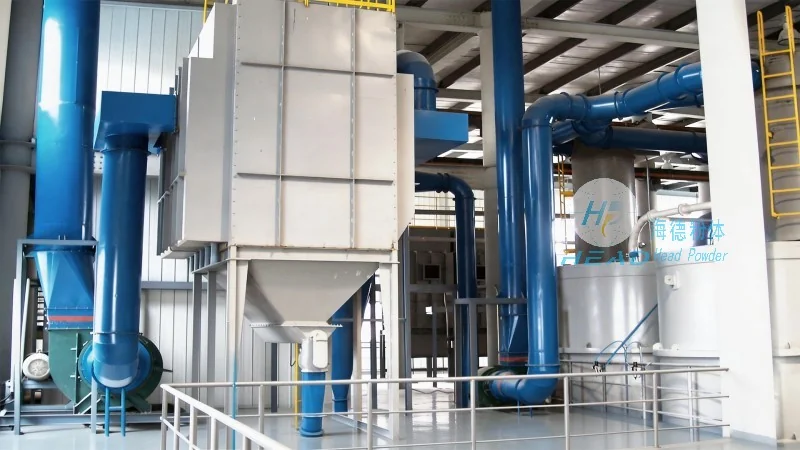
Bucket elevators are vertical or inclined conveyors that use a continuous chain with attached buckets to transport bentonite powder. The buckets are filled with powder at the bottom and lifted to the top, where the material is discharged. This method is ideal for vertical transport over significant heights, such as moving powder from ground-level storage to elevated processing equipment. Bucket elevators are commonly used in cement plants, mining operations, and chemical processing facilities. They provide high capacity and can handle abrasive materials without significant wear. The primary advantages include high efficiency, low power consumption, and the ability to operate in dusty environments. However, they require careful alignment and maintenance to prevent bucket damage or chain breakage. Additionally, the system may need to be equipped with dust collection to control airborne particles.
Belt conveyors are versatile systems that use a continuous belt to transport bentonite powder horizontally or at a slight incline. The powder is placed on the belt and moved by friction between the belt and the material. These conveyors are widely used in bulk material handling, including the transportation of bentonite from storage bins to processing lines. Belt conveyors offer high capacity and can handle large volumes of powder, making them suitable for high-throughput applications. They are also relatively low-cost and easy to install. However, they may not be ideal for very fine powders, as these can cause dusting and reduce belt life. Proper belt tensioning and cleaning are necessary to maintain performance and prevent material buildup. Additionally, the system should be equipped with safety guards to prevent accidental contact with the moving belt.
Hydraulic conveying systems use water or a slurry to transport bentonite powder, especially in applications where the powder needs to be mixed with water or transported in a wet state. The powder is suspended in the liquid and moved through pipes under pressure. This method is commonly used in water treatment plants and oilfield operations, where bentonite is used as a drilling fluid additive. The main advantage of hydraulic conveying is its ability to handle abrasive and abrasive materials without causing wear on the system components. However, it requires additional equipment for slurry preparation and separation, such as centrifuges or filters. The system also needs to manage water usage and disposal, which can add to operational costs. Proper maintenance of the hydraulic pumps and pipelines is crucial to prevent leaks and ensure consistent performance.
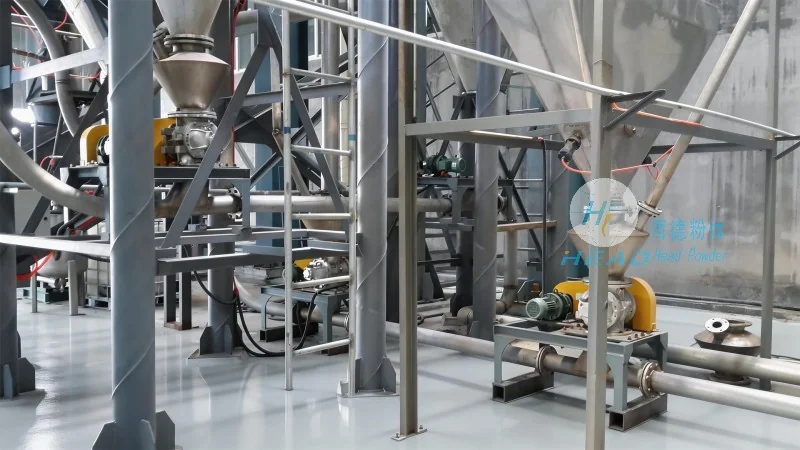
In many industrial settings, a single conveying method may not be sufficient to meet all the requirements. Therefore, combination systems are often employed, integrating multiple technologies to optimize the transport process. For example, a pneumatic conveyor might be used to transport bentonite from a storage silo to a screw conveyor, which then feeds a bucket elevator. This approach allows for flexibility in handling different powder types and distances. Combination systems can enhance efficiency by reducing the number of transfer points and minimizing material loss. However, they require careful design and integration to ensure smooth operation. Shandong HeadPowder Engineering Co., Ltd. specializes in designing and manufacturing customized combination systems tailored to specific customer needs, ensuring optimal performance and reliability.
Choosing the right bentonite powder conveying method depends on several factors, including the material properties, transport distance, system layout, and operational requirements. By understanding the advantages and limitations of each method, industries can select the most suitable solution to improve productivity and reduce costs. Whether using pneumatic, screw, bucket, belt, or hydraulic systems, or a combination thereof, the goal is to achieve efficient, safe, and cost-effective powder transport. Shandong HeadPowder Engineering Co., Ltd. is committed to providing high-quality conveying solutions that meet the diverse needs of its clients, helping them achieve their operational goals with reliability and efficiency.

 Shandong Headpowder Engineering Co., Ltd.
 156-6277-7102(Manager Zhang)
  0531-83386006
  Zhangqiu District, Jinan City, Shandong Province, China
telephone
WeChatconsult
top