

Principles and Working Scene Characteristics of Titanium Ore Powder Material Handling
HeadPowder, a leading provider in the field of material handling solutions, specializes in the efficient and reliable transport of titanium ore powder. This article delves into the fundamental principles governing the handling of such materials and explores the distinct characteristics of various working scenarios where these systems are applied. By understanding these aspects, industries can optimize their operations, enhance safety, and improve overall productivity in the processing and transportation of titanium ore powder.
Principles of Titanium Ore Powder Material Transport
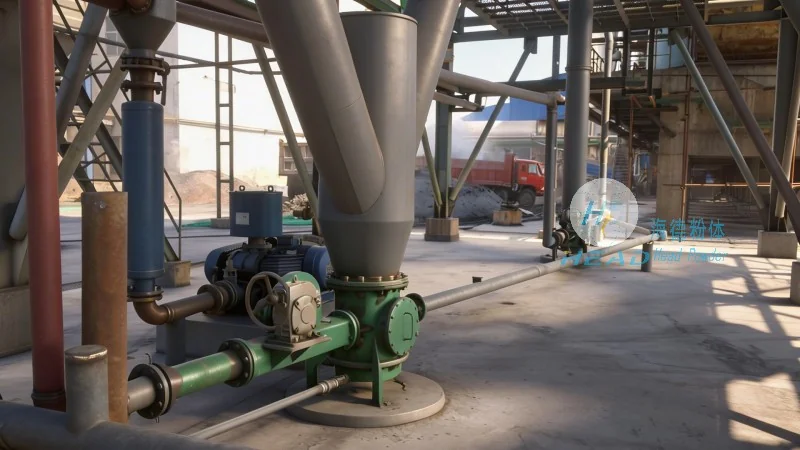
The core principles of titanium ore powder material handling revolve around several key factors, including the physical properties of the material, the design of the transport system, and the operational environment. Titanium ore powder is typically characterized by its fine particle size, which can lead to issues such as dust generation, caking, and the need for specialized equipment to prevent material degradation or blockages. The transport systems must be designed to handle these challenges effectively, ensuring that the material is moved without compromising its quality or the integrity of the handling equipment.
One of the primary principles is the selection of appropriate equipment based on the specific characteristics of the titanium ore powder. For instance, pneumatic conveying systems are often preferred for fine powders due to their ability to transport materials over long distances with minimal pressure loss. These systems use air to move the powder through pipelines, reducing the risk of material degradation compared to mechanical conveying methods like belt conveyors or screw conveyors. The choice of conveying method depends on factors such as the particle size distribution, moisture content, and the required transport distance, all of which are critical in determining the most efficient and cost-effective solution.
Working Scene Characteristics of Titanium Ore Powder Handling
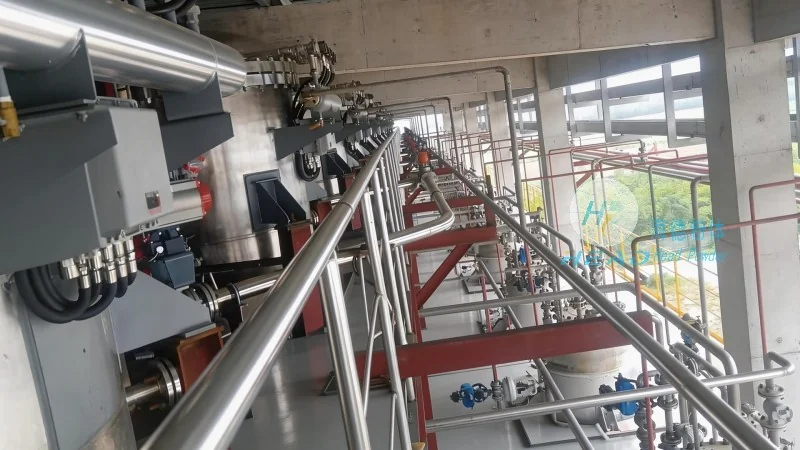
The working scene characteristics of titanium ore powder material handling vary significantly depending on the application and the scale of the operation. In mining and extraction facilities, the primary goal is to move large volumes of ore from the extraction site to processing plants. Here, bulk handling systems such as bucket elevators, belt conveyors, and hopper systems are commonly used. These systems are designed to handle high throughput rates and are often integrated with other processing equipment to streamline the production line.
In processing plants, the focus shifts to the handling of finer powder fractions, which may require more delicate equipment to avoid particle breakage or agglomeration. For example, in the production of titanium dioxide, the powder is often processed into smaller particles and then transported to storage or packaging facilities. In such scenarios, pneumatic conveying systems are particularly advantageous as they can transport the fine powder with minimal risk of contamination or loss. The working environment in processing plants is typically more controlled, with emphasis on maintaining consistent particle size and preventing dust exposure, which is crucial for both product quality and worker safety.
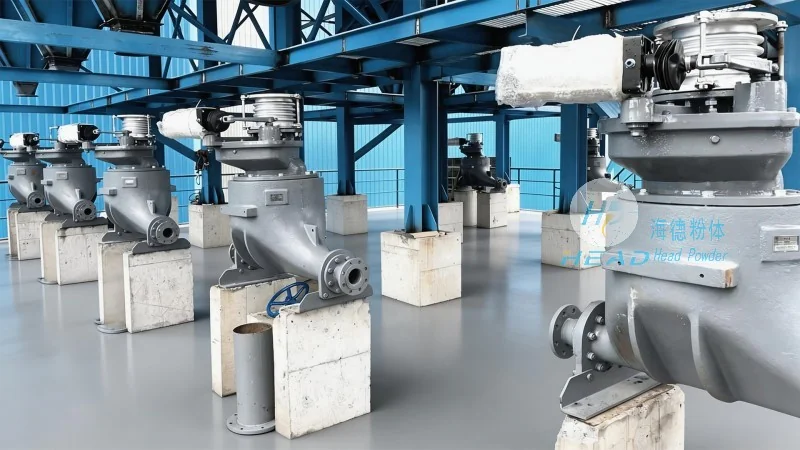
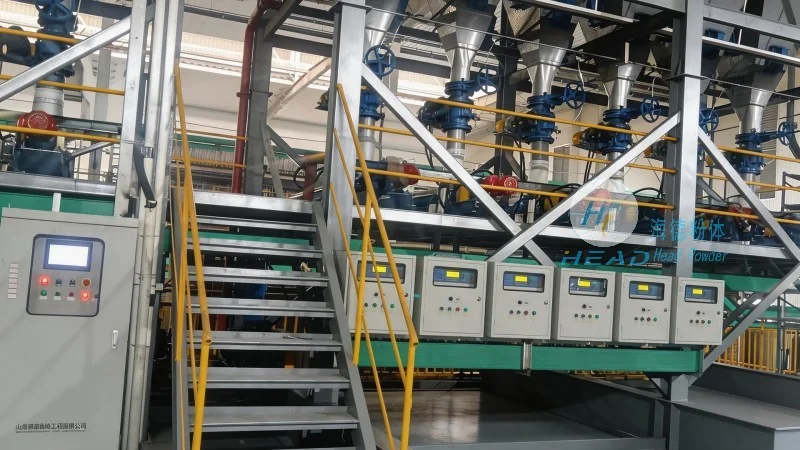
In industrial applications, such as in the manufacturing of titanium-based alloys or other chemical products, the handling of titanium ore powder may involve integration with other production lines. This requires flexible and adaptable material handling systems that can accommodate varying material flows and processing requirements. The working scene may also involve the use of automated control systems to monitor and adjust the transport process in real-time, ensuring optimal performance and minimizing downtime. Additionally, the characteristics of the working environment, such as temperature and humidity, can impact the choice of materials and equipment used in the handling process, as certain components may be susceptible to corrosion or degradation under specific conditions.
Key Considerations for Optimizing Titanium Ore Powder Handling Systems
When designing and implementing titanium ore powder handling systems, several key considerations must be addressed to ensure efficiency and reliability. First, the material's physical properties, including its density, moisture content, and flowability, must be thoroughly understood. These properties influence the selection of equipment and the design of the transport system. For example, a material with high moisture content may require additional drying steps before transport to prevent caking or blockages in the system.
Second, the scale of the operation and the required throughput rate are critical factors. Large-scale mining operations may require high-capacity systems, while smaller processing facilities may opt for more compact and energy-efficient solutions. The choice of equipment should align with the specific operational needs to avoid overengineering or underutilization of resources.
Third, safety considerations are paramount in material handling, especially when dealing with fine powders that can pose respiratory hazards. Proper ventilation systems, dust collection equipment, and personal protective equipment (PPE) are essential to maintain a safe working environment. The design of the handling system should incorporate features that minimize dust generation and ensure that any released particles are effectively captured and removed from the air.
Fourth, maintenance and operational costs play a significant role in the long-term effectiveness of the system. Choosing durable and low-maintenance equipment can reduce downtime and operational expenses over the life of the system. Regular maintenance schedules and the use of high-quality components are crucial to ensure the system operates at peak efficiency and extends its service life.