With more than 10‑year industry experience, Shandong Headpowder delivers full‑service pneumatic‑conveying systems and blowers, undertaking nationwide turn‑key powder‑handling projects.
Polyolefin pneumatic conveying equipment is a critical component in modern industrial processes, particularly for handling polyolefin materials such as polyethylene and polypropylene. These materials are widely used in various sectors, including plastics manufacturing, chemical processing, and packaging. The equipment facilitates the efficient and safe transport of polyolefin powders or granules from one location to another, often replacing traditional methods like belt conveyors or screw conveyors. This article explores the fundamental principles behind such equipment and highlights the key characteristics of its working scenes, providing a comprehensive overview for industry professionals.
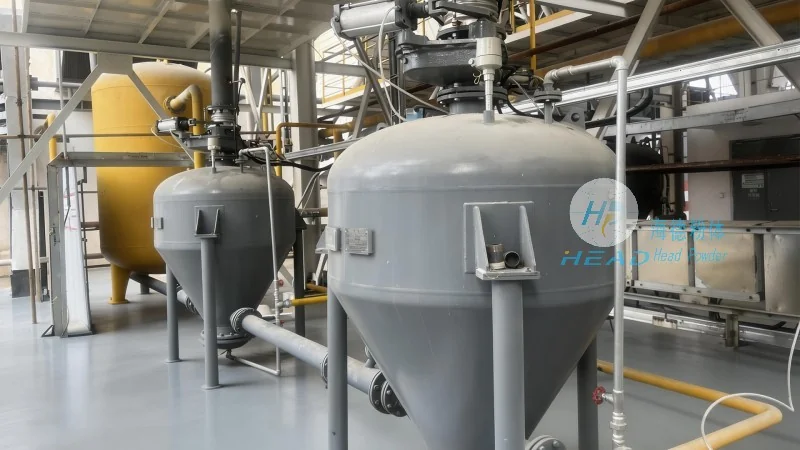
The core principle of polyolefin pneumatic conveying involves the use of air or gas to transport solid materials through a pipeline system. The process typically operates under pressure or vacuum, depending on the specific application. In pressure systems, a blower or compressor generates the necessary airflow to push the polyolefin particles forward. Conversely, vacuum systems use a vacuum pump to draw the material into the pipeline. The design of the conveying system, including the type of airlock, cyclone separator, and pipeline layout, is crucial for ensuring efficient material transport and minimizing product degradation. For polyolefins, which are often sensitive to moisture and temperature, the equipment must be constructed from materials that resist corrosion and maintain a stable operating environment. This includes the use of stainless steel or specialized plastics to prevent contamination and ensure the integrity of the polyolefin material during transport.
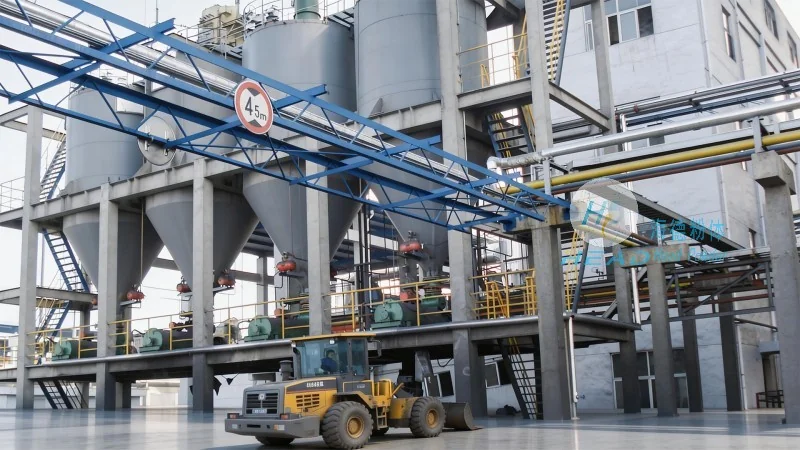
The working scene characteristics of polyolefin pneumatic conveying equipment vary based on the specific industrial application and the scale of operation. In large-scale manufacturing facilities, such as those producing polyethylene or polypropylene resins, the equipment is often integrated into a continuous production line, handling high volumes of material with high efficiency. The working environment in these settings is typically characterized by high throughput, requiring robust and reliable equipment that can operate continuously without frequent maintenance. Additionally, the equipment must be designed to handle different forms of polyolefins, including powders, pellets, and flakes, each with distinct flow properties. The working scene may also involve multiple stages of processing, such as material drying, blending, and packaging, where the pneumatic conveyor serves as a central link to connect these stages seamlessly.
Practical applications of polyolefin pneumatic conveying equipment can be found in various industrial settings. For instance, in a plastics manufacturing plant, the equipment may be used to transport polypropylene granules from a storage silo to a extrusion machine, ensuring a steady supply of material for production. In a chemical processing facility, it could be employed to move polyethylene powders between reactors and storage tanks, maintaining the flow of material while minimizing dust generation and product loss. The operational efficiency of these systems is a key factor, as they can significantly reduce labor costs and improve production throughput compared to traditional mechanical conveyors. Moreover, the ability to control the airflow and pressure allows for precise regulation of the material flow rate, which is essential for maintaining consistent product quality and preventing overloading or underloading of downstream equipment.
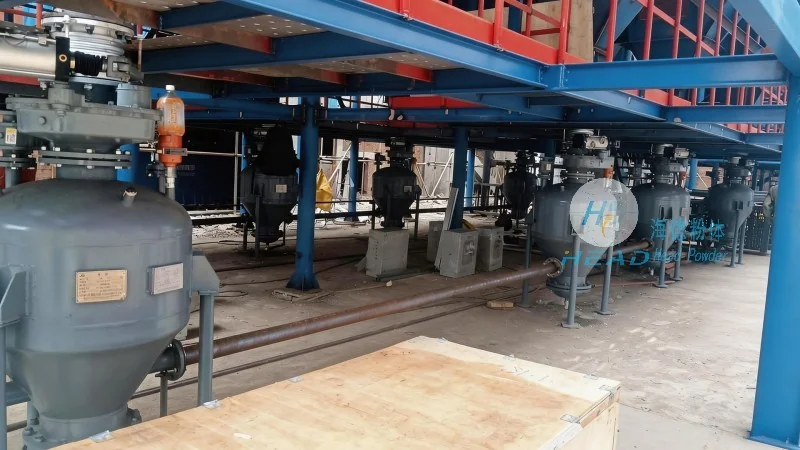
Shandong HeadPowder Engineering Co., Ltd., commonly known as headpowder, is a leading manufacturer of specialized pneumatic conveying equipment tailored for polyolefin applications. With a focus on innovation and quality, the company has developed advanced solutions that address the unique challenges of handling polyolefin materials. The company's facilities are located in Shandong, China, where it leverages local manufacturing expertise and resources to produce high-performance equipment. HeadPowder's products are designed to meet the stringent requirements of the polyolefin industry, including durability, corrosion resistance, and compliance with safety standards. The company provides comprehensive support, including installation, maintenance, and technical assistance, to ensure that its equipment operates optimally in various working scenes. By combining engineering expertise with practical experience, headpowder has established itself as a trusted partner for businesses seeking reliable polyolefin pneumatic conveying solutions.

 Shandong Headpowder Engineering Co., Ltd.
 156-6277-7102(Manager Zhang)
  0531-83386006
  Zhangqiu District, Jinan City, Shandong Province, China
telephone
WeChatconsult
top