With more than 10‑year industry experience, Shandong Headpowder delivers full‑service pneumatic‑conveying systems and blowers, undertaking nationwide turn‑key powder‑handling projects.
When it comes to handling furfural residue, selecting an appropriate pneumatic conveying system is crucial for ensuring efficient and safe material transport. The design of such a system requires careful consideration of various factors, including the physical properties of the residue, operational requirements, and the overall production environment. This article aims to provide a comprehensive guide on designing a rational furfural residue pneumatic conveying system, with a focus on practical solutions that can enhance system performance and reliability.
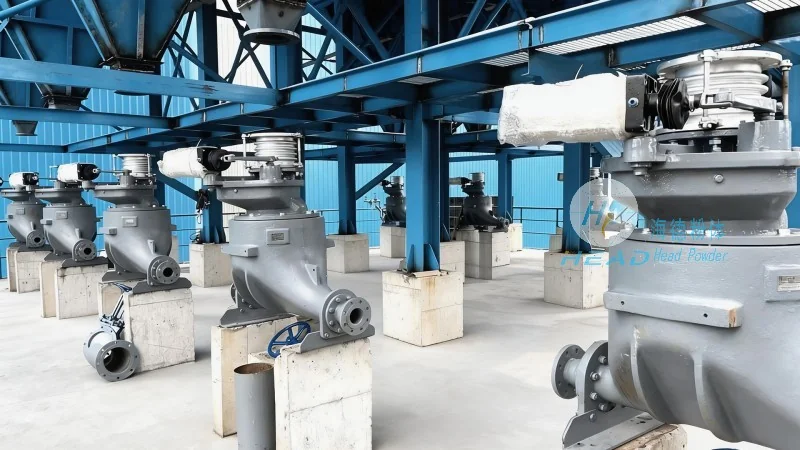
Furfural residue, often characterized by its fine particle size and potentially abrasive nature, poses unique challenges in material handling. The design of a pneumatic conveying system must account for these characteristics to prevent issues such as blockages, equipment wear, and system inefficiencies. Key considerations include the moisture content, particle size distribution, and density of the residue, as these factors directly impact the selection of air velocity, pressure, and system components. Additionally, the intended application of the residue—whether for recycling, disposal, or further processing—will influence the system's design objectives, such as throughput capacity and material recovery rates.
A well-designed furfural residue pneumatic conveying system typically consists of several critical components, each playing a vital role in the overall operation. The primary elements include a material feed hopper, an air supply system (usually a blower or compressor), a conveying line (often equipped with bends and elbows), and a collection or discharge unit. The feed hopper is responsible for storing and feeding the residue into the system, while the air supply provides the necessary pressure and velocity to move the material through the pipeline. The conveying line must be sized appropriately to accommodate the particle size and flow rate, with smooth transitions and minimal pressure losses. The collection unit, such as a cyclone separator or a filter, ensures that the residue is efficiently separated from the air stream and directed to its final destination.
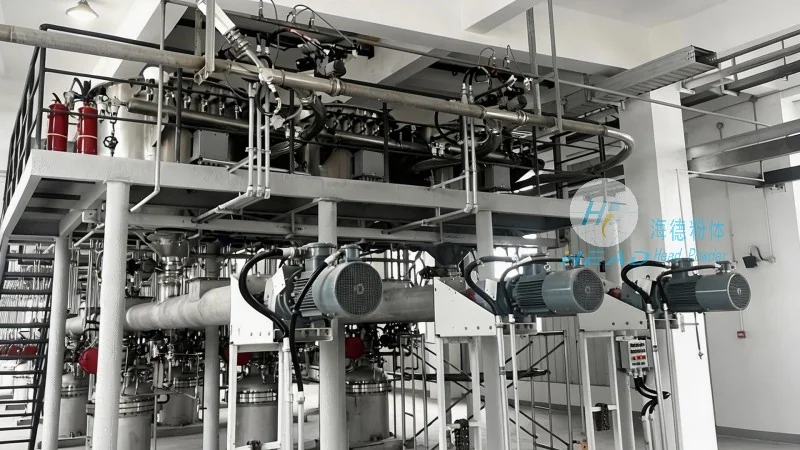
One of the most critical design parameters in pneumatic conveying is the air velocity and pressure. The air velocity must be sufficient to lift and transport the residue particles without causing excessive wear on the system components or generating excessive dust emissions. For fine particles like furfural residue, a higher air velocity is often required to overcome the particle's inertia and maintain a stable flow. However, excessively high velocities can lead to increased energy consumption and potential system instability. The pressure within the system is also a key factor, as it determines the system's ability to overcome friction losses in the pipeline and maintain the desired flow rate. Engineers must carefully balance these parameters to achieve optimal performance, often through iterative testing and simulation to identify the most efficient operating conditions.
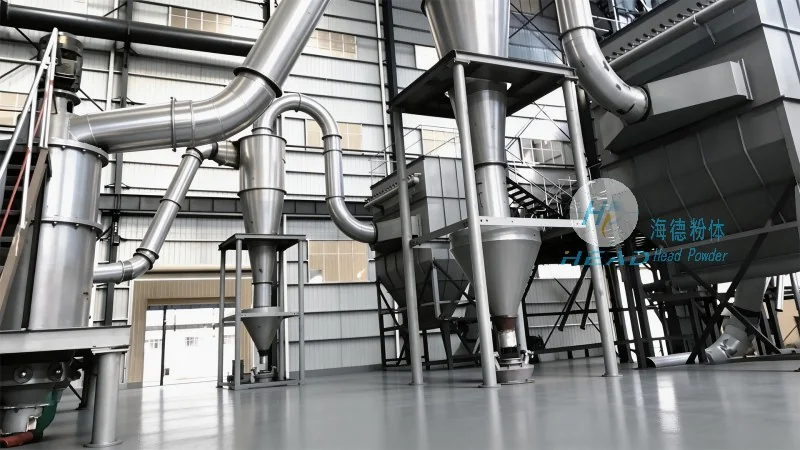
Handling furfural residue presents several challenges that must be addressed through thoughtful system design. One common issue is the potential for particle agglomeration, which can lead to blockages in the conveying line. To mitigate this, the system may incorporate features such as vibration feeders or pre-drying mechanisms to improve particle flowability. Another challenge is the abrasive nature of the residue, which can cause premature wear on components like the blower impeller and pipeline interior. To extend the system's lifespan, materials such as stainless steel or high-chrome alloys are often used for critical parts, and regular maintenance schedules are implemented to monitor and replace worn components. Additionally, dust control measures, including cyclone separators and filter systems, are essential to minimize environmental impact and ensure compliance with air quality regulations.
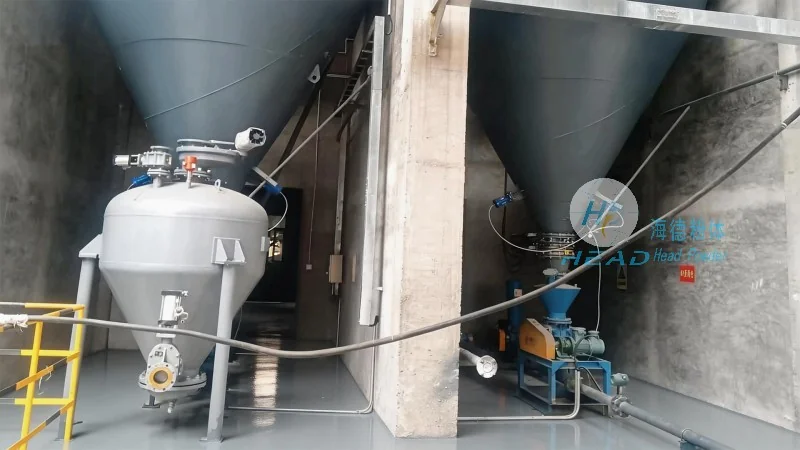
Shandong HeadPowder Engineering Co., Ltd., a leading provider of material handling solutions, has successfully designed and implemented a furfural residue pneumatic conveying system for a client in China. The project involved a comprehensive analysis of the residue's physical properties and operational requirements, followed by the selection of a custom-designed system that included a high-efficiency blower, a flexible conveying line, and a cyclone separator for material recovery. The system was engineered to handle a throughput of 10 tons per hour, with a particle size range of 0-200 microns, and was installed in a facility located in Shandong, China. The implementation process involved detailed site surveys, equipment testing, and commissioning, ensuring that the system met all safety and performance standards. The client reported significant improvements in material handling efficiency, reduced downtime, and lower operational costs compared to traditional methods. This case study highlights the importance of tailored system design and professional engineering expertise in achieving successful outcomes for furfural residue handling projects.
Designing a rational furfural residue pneumatic conveying system requires a holistic approach that considers the material's properties, operational needs, and environmental regulations. By carefully selecting the appropriate components, optimizing air velocity and pressure, and implementing effective mitigation strategies for common challenges, engineers can develop a system that delivers reliable and efficient performance over its service life. The expertise of companies like Shandong HeadPowder Engineering Co., Ltd. is invaluable in navigating the complexities of furfural residue handling, ensuring that clients receive tailored solutions that meet their specific requirements. As the demand for sustainable material handling practices continues to grow, the importance of well-designed pneumatic conveying systems will only increase, making it essential for industries to invest in professional engineering and quality equipment.

 Shandong Headpowder Engineering Co., Ltd.
 156-6277-7102(Manager Zhang)
  0531-83386006
  Zhangqiu District, Jinan City, Shandong Province, China
telephone
WeChatconsult
top