With more than 10‑year industry experience, Shandong Headpowder delivers full‑service pneumatic‑conveying systems and blowers, undertaking nationwide turn‑key powder‑handling projects.
Resin powder pneumatic conveying systems are critical in industrial applications for efficiently transporting fine resin powders from one location to another. A well-designed system ensures optimal performance, minimal material loss, and reduced operational costs. This article outlines key considerations and steps for designing a reasonable resin powder pneumatic conveying system plan, focusing on the expertise of Shandong HeadPowder Engineering Co., Ltd., a leading provider in the field.
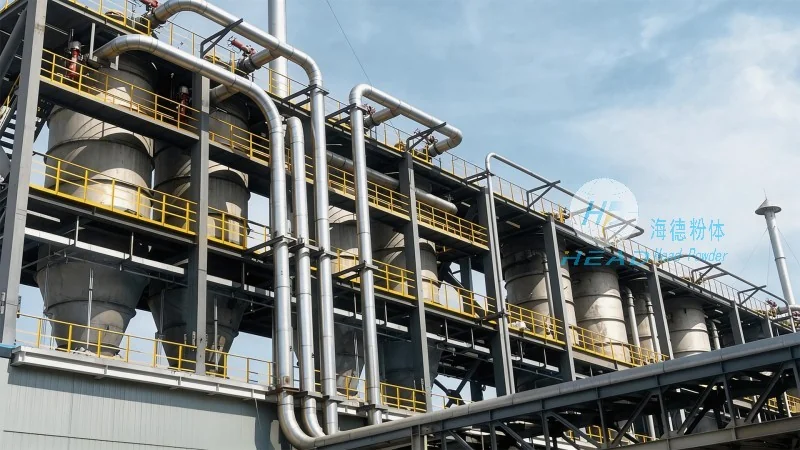
Before diving into system design, it is essential to grasp the fundamental principles of pneumatic conveying. This method involves transporting bulk materials through a pipeline using compressed air or other gases. For resin powders, which are often fine and abrasive, the system must be tailored to handle their specific characteristics. Key factors include particle size, density, moisture content, and flowability. These properties directly impact the choice of conveying type—such as dilute phase or dense phase—and the required air velocity and pressure.
Several critical factors must be considered when designing a resin powder pneumatic conveying system. First, the material characteristics of the resin powder are paramount. For instance, if the powder is hygroscopic or prone to clumping, the system may need additional features like a drying or de-agglomeration unit. Second, the system layout and distance between the source and destination points are crucial. Longer distances or complex routes may require multiple conveying stages or booster units to maintain sufficient pressure and velocity. Third, the system's capacity and throughput requirements dictate the size of the pipeline, air compressor, and other components. Shandong HeadPowder Engineering Co., Ltd. emphasizes that a thorough analysis of these factors is essential to avoid system inefficiencies or failures.
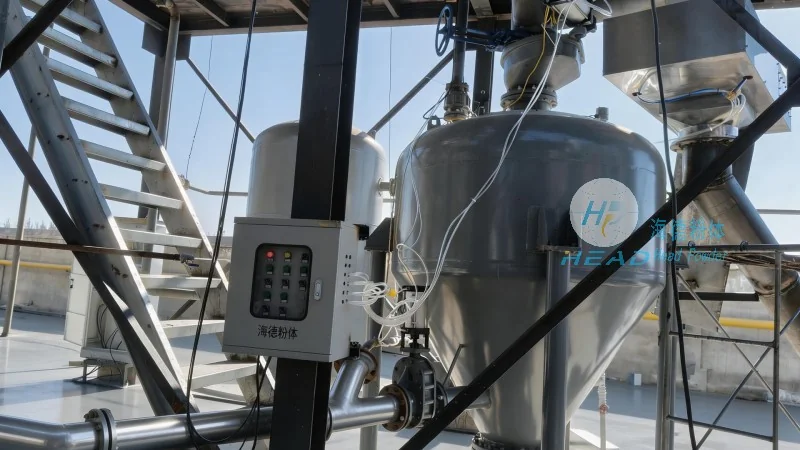
A resin powder pneumatic conveying system typically consists of several key components, each playing a vital role in the overall operation. The primary components include a material feeder, which ensures a consistent flow of resin powder into the system; a conveying line, which transports the material; a receiver or discharge unit, where the material is collected; and a control system to regulate air flow and pressure. Additionally, the system may include accessories such as filters to remove dust, silencers to reduce noise, and pressure vessels to store compressed air. Each component must be selected based on the specific resin powder properties and the system's operational parameters. For example, a rotary valve feeder is often used for its ability to handle varying material flow rates and prevent blockages, which is critical for resin powders that can be prone to clogging.
The choice between dilute phase and dense phase conveying is a critical decision in system design. Dilute phase systems use lower air velocities and higher pressure, suitable for shorter distances and less abrasive materials. Dense phase systems, on the other hand, use higher air velocities and lower pressure, ideal for longer distances or materials that require gentle handling. For resin powders, which are often fine and may be sensitive to high velocities, dense phase conveying is often preferred to minimize particle degradation and system wear. Shandong HeadPowder Engineering Co., Ltd. recommends conducting a material analysis to determine the optimal conveying type, as this directly impacts system efficiency and longevity.
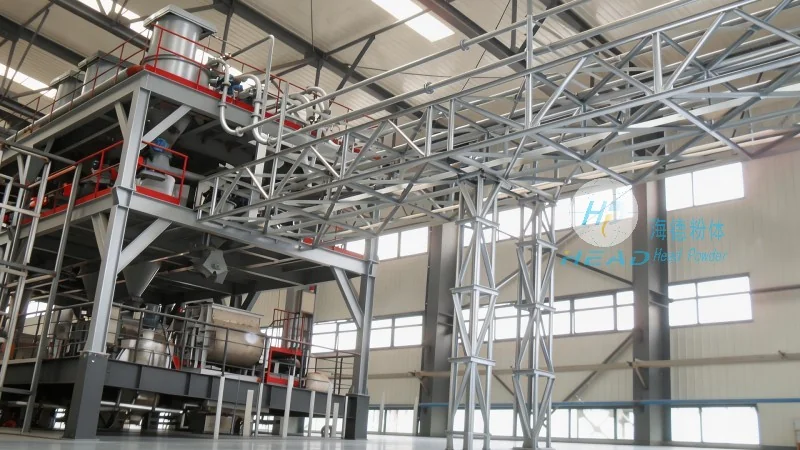
Efficiency and cost-effectiveness are key considerations in system design. A well-designed system minimizes energy consumption by optimizing air pressure and velocity. This not only reduces operational costs but also extends the lifespan of components by reducing wear and tear. Additionally, the system should be designed for easy maintenance and cleaning, as resin powders can be difficult to remove from equipment. Regular maintenance, such as cleaning filters and checking for leaks, is essential to maintain system performance. Shandong HeadPowder Engineering Co., Ltd. emphasizes that a comprehensive design approach, considering both operational and maintenance aspects, leads to a more reliable and cost-effective system.
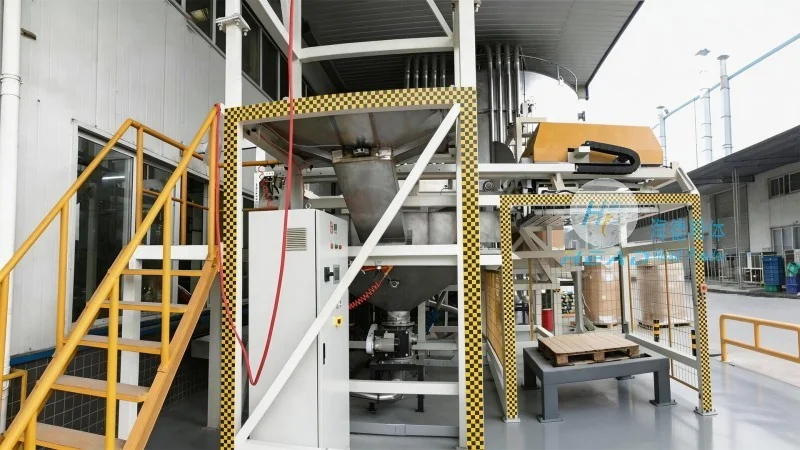
Shandong HeadPowder Engineering Co., Ltd. has successfully implemented numerous resin powder pneumatic conveying systems for clients across China. One notable project involved a client in Shandong province who required a system to transport fine epoxy resin powders over a distance of 200 meters. The system was designed as a dense phase system with a rotary valve feeder and a booster unit to maintain sufficient pressure. The system has been in operation for over three years, achieving high throughput with minimal material loss and low maintenance costs. This case study highlights the importance of tailored system design and the expertise of Shandong HeadPowder Engineering Co., Ltd. in delivering effective solutions for resin powder handling.
Designing a reasonable resin powder pneumatic conveying system plan requires a deep understanding of material properties, system components, and operational requirements. Shandong HeadPowder Engineering Co., Ltd. offers comprehensive design services, leveraging years of experience to ensure that each system is optimized for efficiency, reliability, and cost-effectiveness. By considering all key factors and working with a professional team, industries can achieve seamless resin powder transportation, minimizing downtime and maximizing productivity. For companies in need of a reliable resin powder pneumatic conveying system, Shandong HeadPowder Engineering Co., Ltd. stands as a trusted partner in the industry.

 Shandong Headpowder Engineering Co., Ltd.
 156-6277-7102(Manager Zhang)
  0531-83386006
  Zhangqiu District, Jinan City, Shandong Province, China
telephone
WeChatconsult
top