With more than 10‑year industry experience, Shandong Headpowder delivers full‑service pneumatic‑conveying systems and blowers, undertaking nationwide turn‑key powder‑handling projects.
PTFE (Polytetrafluoroethylene), commonly known as Teflon, is a high-performance fluoropolymer widely used in industrial applications due to its exceptional chemical resistance, thermal stability, and low friction properties. Pneumatic conveying systems designed for PTFE materials are critical in processing and handling these specialized polymers, ensuring efficient and safe material transport. This article explores the working principle and key features of PTFE material pneumatic conveying lines, highlighting the technical aspects and operational benefits of such systems.
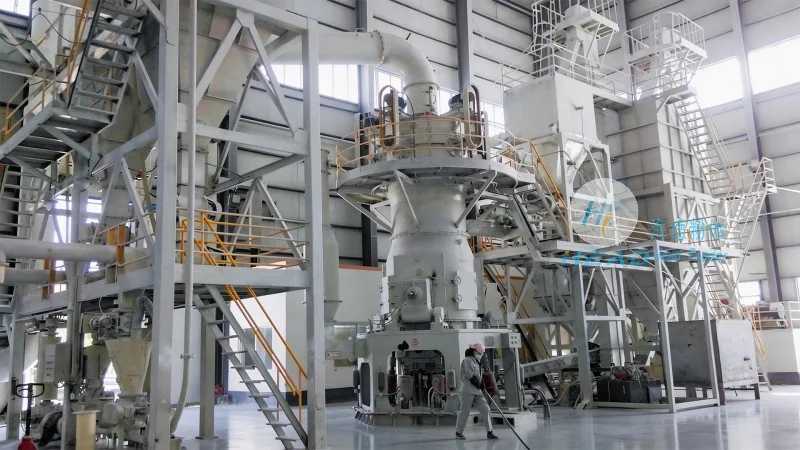
Pneumatic conveying systems utilize air or gas as the conveying medium to transport bulk materials through a pipeline. For PTFE material handling, these systems typically operate on the principle of pressure or vacuum. In pressure systems, compressed air is introduced into the material hopper, creating a pressure differential that propels the PTFE particles through the pipeline. The design of the conveying line, including the type of airlock valves, cyclone separators, and pipeline diameter, is crucial for maintaining consistent flow rates and preventing material degradation. Vacuum systems, on the other hand, draw material from the source using a vacuum pump, which is often preferred for handling fine PTFE powders to minimize dust generation and ensure environmental compliance.
The process begins with the PTFE material being loaded into a hopper equipped with a rotary airlock valve. This valve controls the flow of material into the conveying line, preventing backflow and maintaining a steady feed rate. As the compressed air (or vacuum) is applied, the PTFE particles are entrained in the air stream and transported through the pipeline to the destination point, such as a storage silo or processing equipment. The conveying line may include components like bends, expansion joints, and filters to ensure smooth material movement and protect the system from clogging or contamination. Proper sizing of the pipeline and air velocity is essential to avoid particle degradation, which can occur if the material is subjected to excessive shear forces or high temperatures.

PTFE material pneumatic conveying lines are engineered with specific features to address the unique properties of PTFE, including its low density, high purity requirements, and sensitivity to moisture and contamination. One of the primary features is the use of corrosion-resistant materials for the conveying components, such as stainless steel or PTFE-coated parts, to prevent material degradation and ensure long-term system performance. The system design also incorporates high-precision airlock valves and rotary feeders to maintain consistent material flow and prevent blockages, which are common issues in handling fine PTFE powders.
Another critical feature is the inclusion of filtration and separation equipment, such as cyclone separators and bag filters, to remove any fine particles or moisture from the PTFE material. This ensures that the final product meets stringent purity standards, which is essential for applications like semiconductor manufacturing or pharmaceutical processing. The conveying line may also include temperature control mechanisms to prevent PTFE from degrading due to high temperatures, as PTFE has a melting point of around 327°C but can soften at lower temperatures under certain conditions.
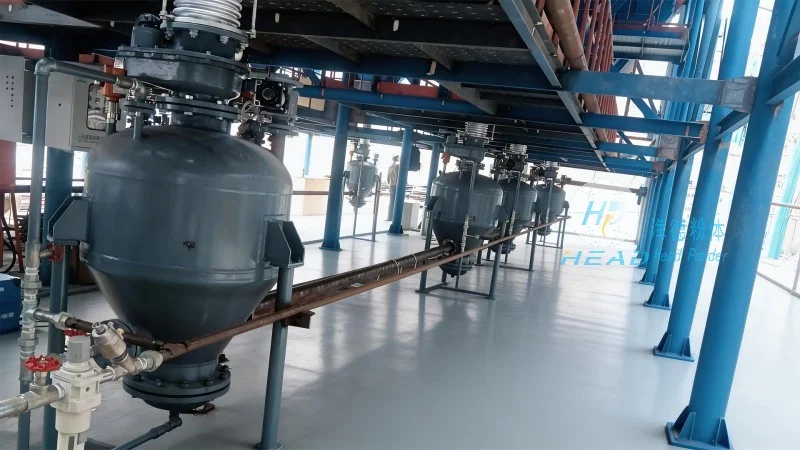
Operational flexibility is another key feature, with systems capable of handling varying PTFE particle sizes and moisture content. The ability to switch between pressure and vacuum modes allows for adaptability in different processing stages, such as loading, conveying, and unloading. Additionally, the system is designed for easy maintenance, with accessible components and minimal downtime, which is crucial for continuous production environments.
The technical advantages of PTFE material pneumatic conveying lines include high efficiency in material transport, reduced labor costs compared to manual handling, and improved safety by minimizing exposure to PTFE dust. The systems are also compact and can be integrated into existing production facilities, making them suitable for both new installations and retrofit projects. However, application considerations must be carefully evaluated, such as the particle size distribution of the PTFE material, as finer particles may require higher air velocities and more robust filtration to prevent system clogging.
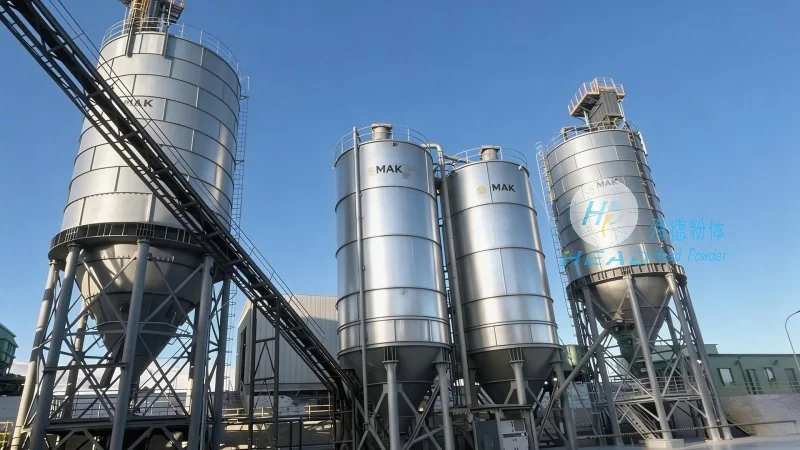
Environmental compliance is another important factor, as PTFE dust can be hazardous if inhaled. The system design includes dust collection and filtration systems to ensure that emissions are minimized and meet regulatory standards. Additionally, the system's energy efficiency is a consideration, as compressed air consumption can impact operational costs. Proper system sizing and maintenance are essential to optimize energy use and extend the lifespan of the equipment.
Shandong HeadPowder Engineering Co., Ltd., a leading provider of pneumatic conveying solutions, specializes in designing and manufacturing PTFE material pneumatic conveying lines tailored to the specific needs of industrial clients. With a focus on quality and innovation, the company utilizes advanced engineering techniques to ensure that its systems meet the highest standards of performance and reliability. HeadPowder's expertise in handling specialized materials like PTFE has enabled it to serve a wide range of industries, including chemical processing, semiconductor manufacturing, and pharmaceuticals. The company's facilities are located in Shandong, China, where it leverages local resources and expertise to deliver comprehensive engineering, manufacturing, and installation services. By combining technical expertise with customer-centric solutions, HeadPowder aims to provide sustainable and efficient material handling solutions for its clients.

 Shandong Headpowder Engineering Co., Ltd.
 156-6277-7102(Manager Zhang)
  0531-83386006
  Zhangqiu District, Jinan City, Shandong Province, China
telephone
WeChatconsult
top