With more than 10‑year industry experience, Shandong Headpowder delivers full‑service pneumatic‑conveying systems and blowers, undertaking nationwide turn‑key powder‑handling projects.
Plug-type pneumatic conveyors are an essential component in modern material handling systems, offering efficient and flexible solutions for transporting bulk materials over long distances. As a leading manufacturer in the industry, Shandong HeadPowder Engineering Co., Ltd. specializes in the design, development, and production of high-quality plug-type pneumatic conveyors, catering to diverse industrial applications. This article provides a comprehensive overview of the plug-type pneumatic conveyor, detailing its structural design and operational principles to help users understand its functionality and benefits.
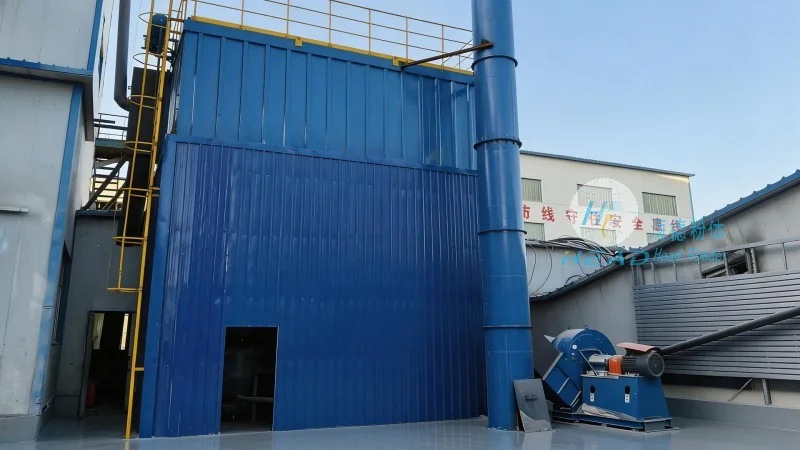
HeadPowder, the professional brand under Shandong HeadPowder Engineering Co., Ltd., has established itself as a trusted name in the field of pneumatic conveying technology. With years of experience and a commitment to innovation, HeadPowder focuses on delivering reliable and efficient material handling solutions. The company's headquarters is located in Shandong, China, where advanced manufacturing facilities and a team of skilled engineers ensure the production of top-tier plug-type pneumatic conveyors. By adhering to stringent quality standards and leveraging cutting-edge technology, HeadPowder meets the diverse needs of clients across various industries, including food processing, pharmaceuticals, chemicals, and more.
A plug-type pneumatic conveyor is a type of pneumatic conveying system that uses a plug, or a solid block of material, to create a sealed, high-pressure environment for transporting bulk materials. Unlike other pneumatic conveying methods, such as dilute-phase or dense-phase systems, plug-type conveyors utilize a piston-like plug to maintain a consistent pressure and prevent material leakage. This design ensures that the material is transported in a controlled manner, minimizing dust generation and optimizing the conveying efficiency. The plug is typically made of the same material as the conveyed product, ensuring compatibility and preventing contamination.
The plug-type pneumatic conveyor consists of several critical components that work in harmony to achieve efficient material transport. The main structural elements include the hopper, the conveying pipe, the plug mechanism, the air supply system, and the control unit. Each component plays a vital role in the overall operation of the system.
1. **Hopper**: The hopper is the inlet where bulk materials are loaded. It is designed to hold a sufficient quantity of material to form the plug, ensuring a continuous flow. The hopper is typically equipped with a discharge valve or a gate to control the material release. The design of the hopper is crucial to prevent material bridging or clogging, which could disrupt the conveying process.
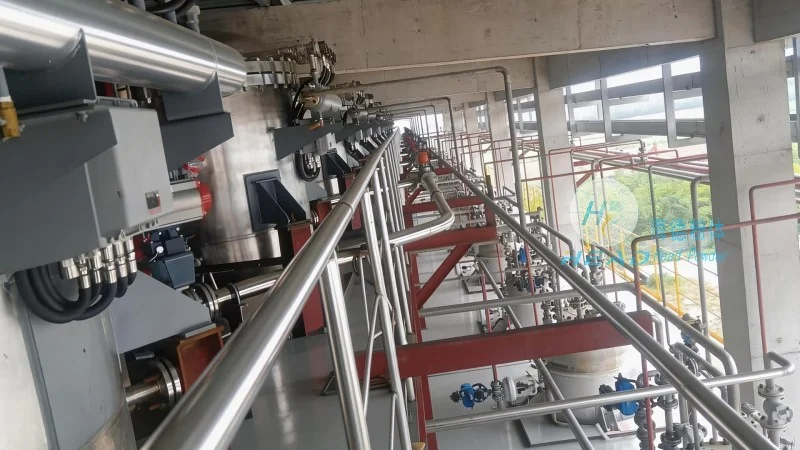
2. **Conveying Pipe**: The conveying pipe is the main channel through which the material and air travel. It is usually made of durable materials such as stainless steel or high-grade plastic to withstand the pressure and abrasion from the conveyed material. The pipe is equipped with bends and elbows to accommodate the required path of the conveyor system, and it is sealed to maintain the pressure within the system.
3. **Plug Mechanism**: The plug mechanism is the core component of the plug-type pneumatic conveyor. It consists of a piston or a plunger that moves within the conveying pipe, forming a plug of material. The plug is created by compressing the material in the hopper and pushing it into the pipe. The plug mechanism is controlled by an air supply system, which regulates the pressure and movement of the plug. The plug is typically made of the same material as the conveyed product, ensuring that it does not degrade or contaminate the material.
4. **Air Supply System**: The air supply system provides the necessary compressed air to operate the plug mechanism and maintain the pressure within the conveying pipe. It includes an air compressor, a filter, and a regulator to ensure a consistent and clean air supply. The air compressor is responsible for generating the required pressure, while the filter removes any contaminants from the air to prevent damage to the system components. The regulator adjusts the air pressure to the optimal level for the conveying process.
5. **Control Unit**: The control unit is the brain of the plug-type pneumatic conveyor system. It monitors the pressure, flow rate, and other parameters of the system and adjusts the operation accordingly. The control unit is equipped with sensors and indicators to provide real-time feedback on the system's performance. It can be programmed to start and stop the conveyor, adjust the air pressure, and control the speed of the plug mechanism. The control unit ensures that the system operates safely and efficiently, minimizing downtime and maximizing productivity.
The operation of a plug-type pneumatic conveyor involves several steps that work together to transport the material from the hopper to the discharge point. The process begins with the loading of the hopper with the bulk material. The air supply system then starts, and the plug mechanism begins to move, forming a plug of material in the conveying pipe. The plug is then pushed forward by the compressed air, and the material is conveyed to the discharge point. The plug mechanism then returns to the hopper to form another plug, and the cycle repeats.
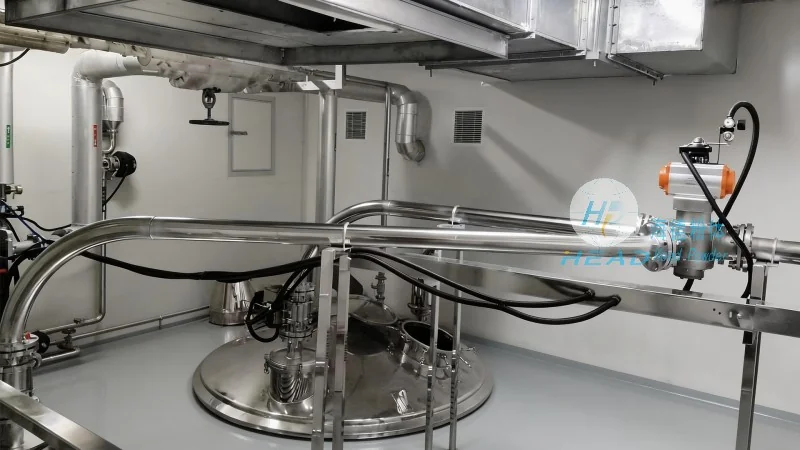
The key to the efficiency of the plug-type pneumatic conveyor is the formation and movement of the plug. The plug acts as a piston, maintaining a high pressure within the conveying pipe, which helps to prevent material leakage and ensure a consistent flow. The plug is typically formed by compressing the material in the hopper and pushing it into the pipe. The air supply system then applies pressure to the plug, causing it to move forward. The plug is designed to be dense and compact, which helps to minimize the air consumption and maximize the conveying efficiency.
The plug-type pneumatic conveyor is particularly effective for transporting materials that are sensitive to air flow or that require a controlled environment. For example, in the food and pharmaceutical industries, where material contamination and dust generation are critical concerns, the plug-type system provides a clean and efficient solution. The sealed environment of the plug-type conveyor prevents dust from escaping and ensures that the material is transported in a hygienic manner.
Plug-type pneumatic conveyors offer several advantages over other pneumatic conveying systems. The most significant advantage is the ability to transport materials in a sealed environment, which minimizes dust generation and prevents contamination. This is particularly important for materials that are sensitive to air flow or that require a clean environment, such as food, pharmaceuticals, and chemicals. The plug-type system also offers high conveying efficiency, as the plug acts as a piston, maintaining a consistent pressure and flow rate. This results in lower air consumption and higher material throughput compared to other systems.
Another advantage of the plug-type pneumatic conveyor is its flexibility. The system can be designed to transport materials over long distances and through complex layouts, including vertical and horizontal sections. The plug mechanism can be adjusted to accommodate different material types and sizes, making the system suitable for a wide range of applications. The plug-type system is also relatively easy to maintain and repair, as the components are simple and the system is less complex than other pneumatic conveying systems.
In addition to the above advantages, the plug-type pneumatic conveyor is also energy-efficient. The system uses less air than other pneumatic conveying systems, which reduces energy consumption and operating costs. The plug-type system also has a longer service life, as the components are made of durable materials and are less prone to wear and tear.
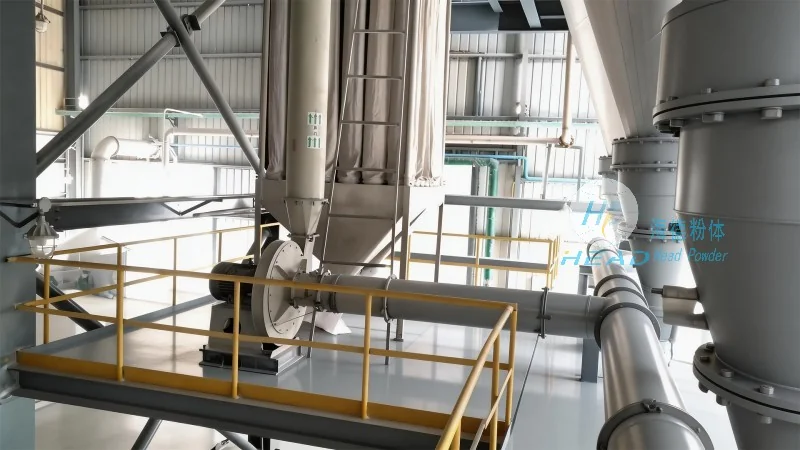
Plug-type pneumatic conveyors are widely used in various industries due to their versatility and efficiency. The most common applications include the food and beverage industry, where they are used to transport grains, powders, and other food products. The pharmaceutical industry also uses plug-type pneumatic conveyors to transport active ingredients, tablets, and other pharmaceutical products. The chemical industry uses the system to transport powders, granules, and other chemicals. The mining and construction industries also use plug-type pneumatic conveyors to transport bulk materials such as coal, sand, and gravel.
In the food and beverage industry, the plug-type pneumatic conveyor is used to transport raw materials such as wheat, corn, and soybeans. The system is designed to handle these materials without causing contamination or dust generation, which is crucial for maintaining food safety standards. The pharmaceutical industry uses the plug-type system to transport active ingredients and other pharmaceutical products, ensuring that the materials are handled in a sterile and controlled environment. The chemical industry uses the system to transport powders and granules, which are often sensitive to air flow and require a sealed environment.
The mining and construction industries use plug-type pneumatic conveyors to transport bulk materials such as coal, sand, and gravel. The system is designed to handle these materials over long distances and through complex layouts, making it an ideal solution for these industries. The plug-type system is also used in the agricultural industry to transport grains and other agricultural products, ensuring that the materials are handled in a hygienic and efficient manner.
Plug-type pneumatic conveyors are an essential component in modern material handling systems, offering efficient and flexible solutions for transporting bulk materials. The structural design and operational principles of the plug-type pneumatic conveyor make it a reliable and effective solution for various industrial applications. With its ability to transport materials in a sealed environment, high conveying efficiency, and flexibility, the plug-type pneumatic conveyor is a preferred choice for many industries. Shandong HeadPowder Engineering Co., Ltd. continues to innovate and improve its plug-type pneumatic conveyors, ensuring that clients receive the best possible solutions for their material handling needs.

 Shandong Headpowder Engineering Co., Ltd.
 156-6277-7102(Manager Zhang)
  0531-83386006
  Zhangqiu District, Jinan City, Shandong Province, China
telephone
WeChatconsult
top