With more than 10‑year industry experience, Shandong Headpowder delivers full‑service pneumatic‑conveying systems and blowers, undertaking nationwide turn‑key powder‑handling projects.
Corundum, renowned for its exceptional hardness and durability, serves as a critical raw material in industries such as abrasive manufacturing, refractory production, and high-performance ceramics. The efficient and reliable transport of corundum powder is essential for maintaining production efficiency and ensuring product quality. Pneumatic conveyors offer a sophisticated solution for handling corundum, and a thorough understanding of their structural design and operational principles is vital for optimizing industrial processes.
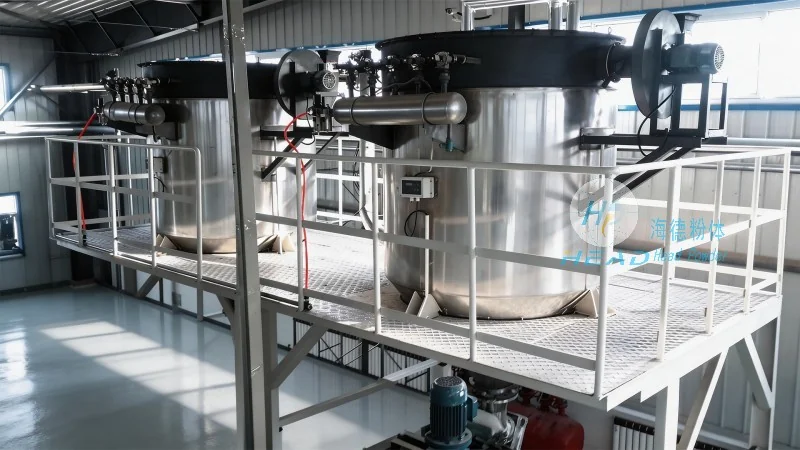
Corundum pneumatic conveyors are specialized equipment engineered to transport fine or bulk corundum particles through a pipeline using air or gas as the conveying medium. These systems are particularly suited for materials that are abrasive, dusty, or require gentle handling to prevent degradation. The design of these conveyors is optimized to accommodate the unique physical properties of corundum, ensuring minimal wear on components and efficient material movement.
The structure of a typical corundum pneumatic conveyor comprises several interdependent components that work in unison to achieve effective material transport. These components include the hopper, feeder, pipeline system, air compressor, and control system. Each element plays a crucial role in the overall operation and performance of the conveyor.
1. **Hopper**: The hopper serves as the primary storage and feeding unit where corundum is loaded. It features a sloped bottom to facilitate the flow of material into the feeder. The hopper is equipped with a discharge valve or gate to regulate the flow rate of the material, ensuring consistent feeding without blockages.
2. **Feeder**: The feeder is responsible for controlling the flow of corundum from the hopper into the pipeline. Common types include rotary valves, star feeders, or screw feeders, which maintain a stable and controlled feed rate. This component is critical for sustaining system pressure and preventing pipeline blockages.
3. **Pipeline System**: The pipeline is the main conduit for transporting corundum particles. It is constructed from durable materials like stainless steel or specialized alloys to withstand the abrasive nature of corundum and resist corrosion. The pipeline may include bends, elbows, and straight sections, with appropriate supports to maintain structural integrity and prevent sagging.
4. **Air Compressor and Blower**: The air compressor or blower generates the necessary air pressure to move the corundum particles through the pipeline. The pressure and flow rate are precisely controlled to match the material characteristics and pipeline length. High-efficiency compressors are employed to minimize energy consumption while ensuring reliable and consistent operation.
5. **Control System**: The control system monitors and regulates the conveyor's operation. It incorporates sensors for pressure, flow, and level, along with control valves and a user interface. This system allows operators to adjust parameters in real-time, ensuring optimal performance and preventing system failures or inefficiencies.
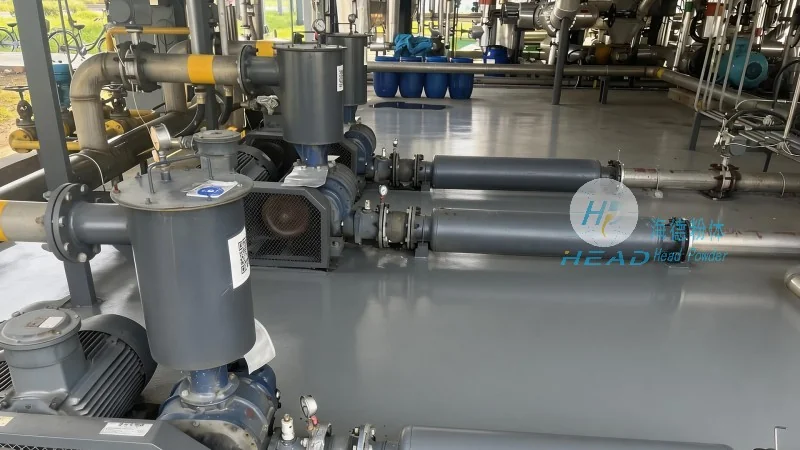
The core principle of a corundum pneumatic conveyor is the entrainment of particles in a high-velocity air stream. When the air compressor provides sufficient pressure, it creates a flow of air through the pipeline. As the air moves, it entrains the corundum particles from the hopper and carries them along the pipeline to the discharge point.
Two primary types of pneumatic conveying systems are used: dilute-phase and dense-phase. Dilute-phase systems operate at higher air velocities, with particles suspended in the air stream, while dense-phase systems utilize lower air velocities, with particles moving in a slurry-like state. For corundum, dilute-phase systems are commonly employed due to their efficiency in handling fine powders and their ability to maintain particle integrity during transport.
The conveying process initiates when the feeder opens and allows corundum to enter the pipeline. The air compressor then activates, and the air flow accelerates, entraining the particles. The combination of air velocity and particle size determines the conveying velocity and maximum distance. Proper design ensures that particles are not damaged during transport and that the system operates efficiently with minimal energy loss.
Corundum pneumatic conveyors offer several distinct advantages over traditional mechanical conveying methods. These benefits include:
1. **Gentle Material Handling**: The air stream minimizes mechanical stress on corundum particles, preserving their quality and preventing degradation or breakage.
2. **High Efficiency and Capacity**: Pneumatic systems can transport materials over long distances with high capacity, reducing the need for multiple transfer points and improving overall throughput.
3. **Low Maintenance Requirements**: The absence of moving parts in the pipeline reduces wear and tear, leading to lower maintenance costs and longer equipment service life.
4. **Versatility**: These conveyors can handle a wide range of corundum particle sizes and shapes, from fine powders to coarse granules, making them adaptable to various industrial applications.
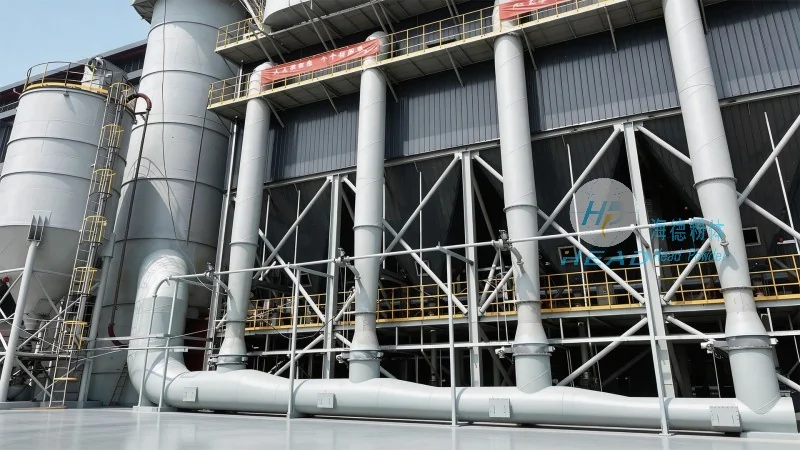
5. **Clean and Safe Operation**: The enclosed pipeline system prevents dust emissions and ensures a safe working environment, complying with industrial safety standards and environmental regulations.
Corundum pneumatic conveyors are widely utilized in diverse industrial sectors where corundum is processed or utilized. Key applications include:
1. **Abrasive Manufacturing**: In the production of grinding wheels, sandpaper, and other abrasive tools, corundum is transported efficiently to mixing and shaping stations, ensuring consistent material distribution.
2. **Refractory Industry**: Refractory materials often incorporate corundum as a key component. Pneumatic conveyors facilitate precise and clean transport of these materials to kilns and processing lines, maintaining material purity.
3. **Ceramic Production**: High-performance ceramics, such as alumina-based ceramics, rely on corundum as a raw material. The conveyors help in the uniform distribution of corundum powder in the production process, enhancing product consistency.
4. **Mining and Mineral Processing**: In mining operations, corundum is extracted from ores and transported to processing facilities using pneumatic systems, enabling efficient material handling in challenging environments.
Comprehending the structure and working principles of corundum pneumatic conveyors is essential for optimizing material handling in industrial settings. The efficient design and operation of these systems contribute to improved production efficiency, product quality, and operational safety. As a leading provider in the field, Shandong HeadPowder Engineering Co., Ltd. specializes in manufacturing and supplying high-quality corundum pneumatic conveyors tailored to meet the specific needs of various industries. With a focus on durability, reliability, and performance, their equipment ensures seamless and effective transport of corundum materials, supporting the success of their clients' operations and reinforcing their position as a trusted partner in material handling solutions.

 Shandong Headpowder Engineering Co., Ltd.
 156-6277-7102(Manager Zhang)
  0531-83386006
  Zhangqiu District, Jinan City, Shandong Province, China
telephone
WeChatconsult
top