With more than 10‑year industry experience, Shandong Headpowder delivers full‑service pneumatic‑conveying systems and blowers, undertaking nationwide turn‑key powder‑handling projects.
For industrial applications involving the handling of polypropylene materials, the selection of an efficient and reliable conveying system is crucial. This article explores the working principle and key features of polypropylene pneumatic conveying systems, highlighting how they operate and the advantages they offer in material transport. The information is presented by Shandong HeadPowder Engineering Co., Ltd., a leading manufacturer based in China.
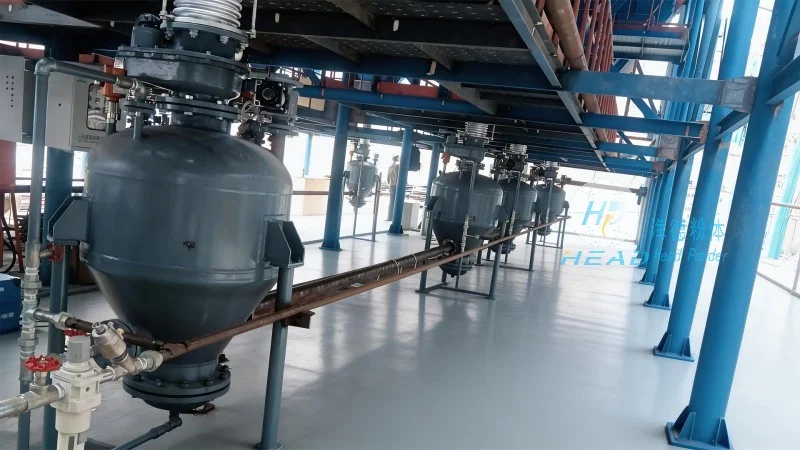
Polypropylene pneumatic conveying systems utilize compressed air or other gases as the primary force to transport polypropylene particles through a network of pipes. The process typically begins with the material being fed into a hopper or feeder, where it is then drawn into a conveying line by the vacuum or pressure created by the air flow. The system can operate under either positive pressure (where air is forced through the material) or negative pressure (where air is drawn through the material), depending on the specific design and application requirements. The air velocity within the pipeline is carefully controlled to ensure that the polypropylene particles are suspended and transported without causing blockages or degradation. This method eliminates the need for mechanical components like belts or screws, reducing maintenance and increasing operational efficiency.
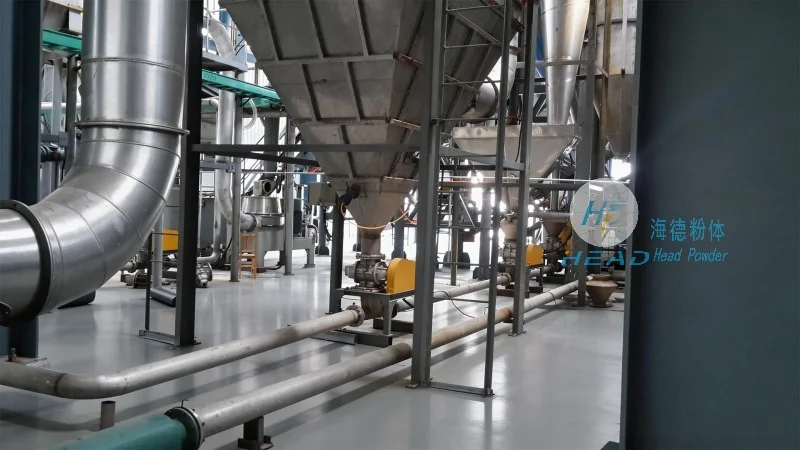
The polypropylene pneumatic conveying systems offered by Shandong HeadPowder Engineering Co., Ltd. are designed with several distinct features that enhance their performance and suitability for industrial use. One of the primary advantages is the ability to handle polypropylene in a clean and dust-free environment, which is essential for maintaining product quality and compliance with industry standards. The systems are also highly flexible, allowing for changes in the conveying route or material flow without the need for extensive modifications to the infrastructure. Additionally, the equipment is built with durable materials that can withstand the abrasive nature of polypropylene particles, ensuring long-term reliability and minimal downtime. Another notable feature is the energy efficiency of these systems, as they require less power compared to traditional mechanical conveying methods while achieving comparable or superior throughput rates. The compact design of the equipment also contributes to space-saving benefits, making it suitable for facilities with limited floor space.
When implementing a polypropylene pneumatic conveying system, several factors must be considered to optimize performance and ensure compatibility with the material properties. The particle size and density of the polypropylene are critical, as they affect the air velocity required for effective transport. For example, finer particles may require higher air speeds to maintain suspension, while larger chunks might need a different conveying approach. The system's design also takes into account the moisture content of the polypropylene, as excessive moisture can lead to caking or blockages in the pipes. Proper filtration and drying systems are often integrated into the conveying line to address these issues and maintain consistent material quality. Furthermore, the system's control mechanisms, such as variable frequency drives (VFDs) and pressure sensors, allow for real-time adjustments to the air flow, ensuring that the conveying process remains stable and efficient under varying load conditions. These features collectively contribute to the overall effectiveness of the polypropylene pneumatic conveying system in industrial settings.
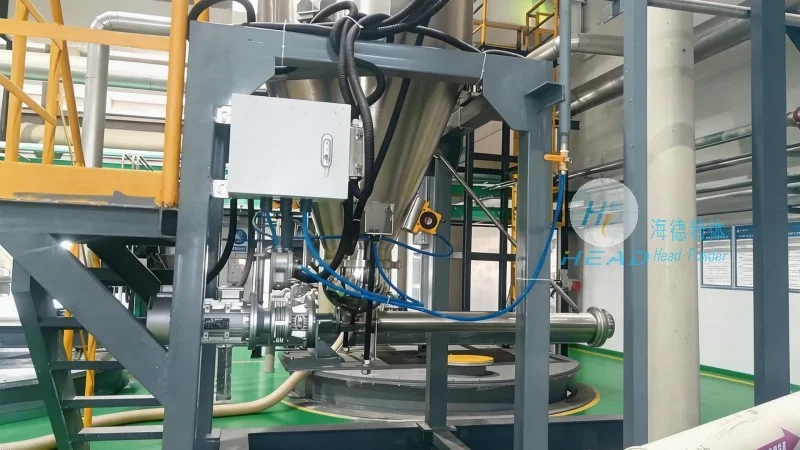
In conclusion, polypropylene pneumatic conveying systems represent a sophisticated solution for the efficient transport of polypropylene materials in industrial applications. The working principle, which relies on compressed air to move particles through a pipeline, offers advantages such as cleanliness, flexibility, and durability. The key features of these systems, including their ability to handle polypropylene in a dust-free environment and their energy efficiency, make them a preferred choice for many industries. Shandong HeadPowder Engineering Co., Ltd., with its headquarters in China, specializes in designing and manufacturing such systems tailored to the specific needs of clients. By understanding the working principle and features of polypropylene pneumatic conveying equipment, businesses can make informed decisions to enhance their material handling processes and improve overall operational efficiency.

 Shandong Headpowder Engineering Co., Ltd.
 156-6277-7102(Manager Zhang)
  0531-83386006
  Zhangqiu District, Jinan City, Shandong Province, China
telephone
WeChatconsult
top