

Working Principle and Features of Gypsum Calcium Aerodynamic Conveying System Equipment
HeadPowder, a leading provider in the field of material handling solutions, specializes in the design, manufacturing, and installation of advanced aerodynamic conveying systems. Based in Shandong, China, the company has established itself as a trusted partner for industries requiring efficient and reliable transportation of bulk materials, particularly in the processing of gypsum and calcium-based products. This article delves into the working principle and key features of the gypsum calcium aerodynamic conveying system equipment, highlighting its operational efficiency and technical advantages.
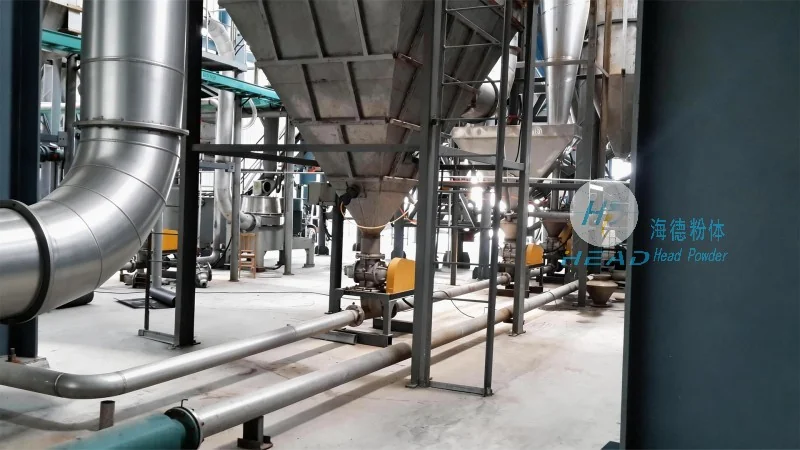
Understanding the Aerodynamic Conveying System
The gypsum calcium aerodynamic conveying system operates on the principle of pneumatic transport, utilizing compressed air or gas to move bulk materials through a pipeline network. At its core, the system consists of several critical components, including a feeding device, a conveying pipeline, a separation unit, and a discharge mechanism. The feeding device, often a rotary valve or a screw feeder, introduces the gypsum or calcium material into the pipeline at a controlled rate. Compressed air is then introduced, creating a low-pressure zone that draws the material particles into the flow. As the material travels through the pipeline, it is suspended and propelled by the air stream, allowing for efficient transport over long distances and varying elevations.
Key Working Principle Components
The effectiveness of the aerodynamic conveying system relies on the precise interaction between the material and the air flow. The system's design ensures that the air velocity is maintained at a level sufficient to keep the material particles in suspension without causing excessive wear or degradation. This is achieved through the use of specialized pipeline diameters, bends, and elbows that are engineered to minimize pressure loss and maintain consistent flow rates. The separation unit, typically a cyclone or a filter, is positioned at the end of the pipeline to separate the material from the air stream, allowing for the collection of the conveyed product while returning the air to the system for reuse. This closed-loop system enhances energy efficiency and reduces operational costs by minimizing air consumption and waste.
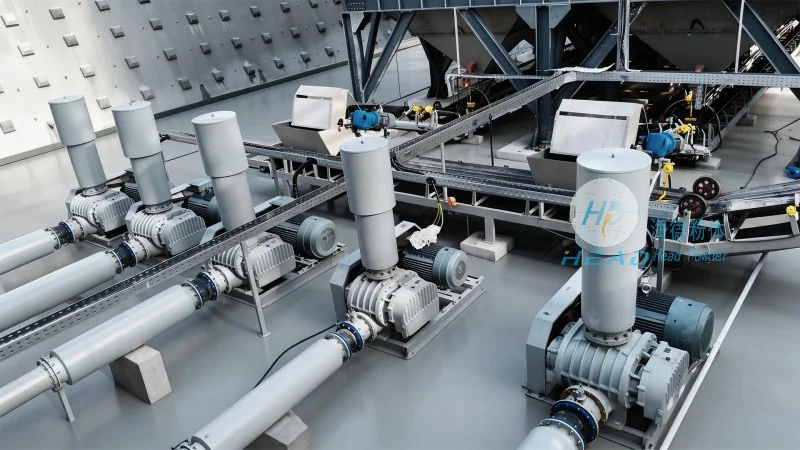
Distinct Features of the Gypsum Calcium Conveying System
HeadPowder's gypsum calcium aerodynamic conveying system is characterized by several notable features that set it apart from conventional material handling solutions. Firstly, the system offers high efficiency in material transport, capable of handling large volumes of gypsum or calcium-based powders with minimal downtime. The use of pneumatic transport eliminates the need for mechanical components like belts or buckets, reducing maintenance requirements and extending the lifespan of the equipment. Secondly, the system provides excellent control over the material flow, allowing for precise regulation of the feed rate and conveying speed. This is particularly important in applications where uniform material distribution is critical, such as in the production of gypsum boards or calcium-based additives.
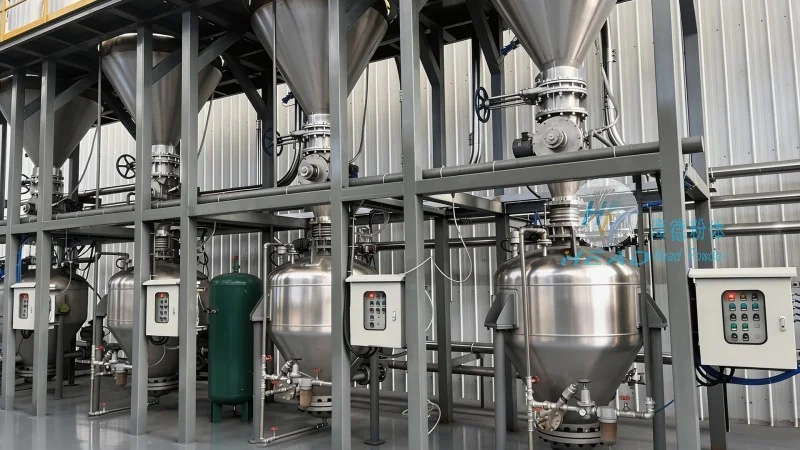
Another key feature is the system's adaptability to various material characteristics. The design accommodates different particle sizes, densities, and moisture levels, making it suitable for a wide range of industrial applications. The aerodynamic conveying technology also ensures minimal product degradation, as the material is not subjected to excessive mechanical stress or friction during transport. This is crucial for maintaining the quality of the final product, especially in applications where the purity and consistency of the gypsum or calcium material are paramount.
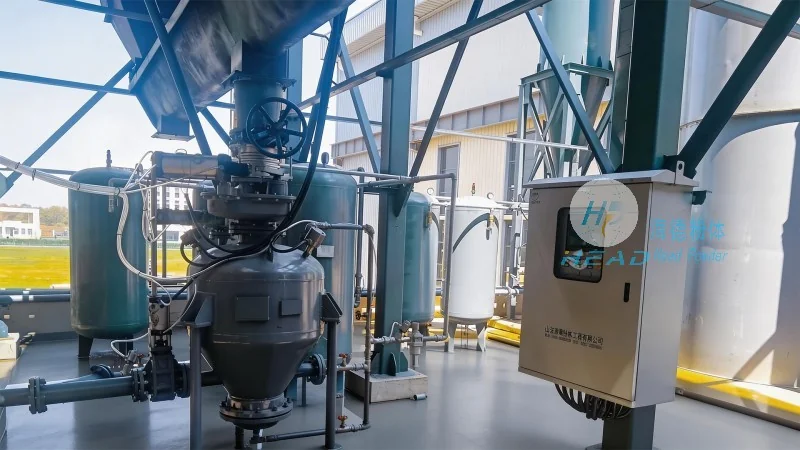
Operational Advantages and Applications
The gypsum calcium aerodynamic conveying system developed by HeadPowder offers several operational advantages that contribute to its widespread adoption in the industry. One of the primary benefits is the reduction in labor costs and operational complexity. By automating the material transport process, the system minimizes the need for manual handling, enhancing workplace safety and productivity. Additionally, the system's energy efficiency, due to the closed-loop air system and optimized pipeline design, leads to lower operational expenses over time. The system is particularly well-suited for applications in the construction materials industry, where gypsum is commonly used in the production of drywall and plaster, as well as in the chemical and pharmaceutical sectors for calcium-based additives.
In conclusion, the gypsum calcium aerodynamic conveying system equipment from HeadPowder represents a sophisticated solution for efficient bulk material handling. By leveraging pneumatic transport technology, the system combines high performance with operational reliability, making it an ideal choice for industries requiring reliable and cost-effective transportation of gypsum and calcium-based products. With its advanced design and robust construction, the system not only meets but exceeds the expectations of modern industrial applications, ensuring consistent performance and long-term value for its users.