

Principle and Working Scene Characteristics of a Copper Sulfate Material Pneumatic Conveying System
For industrial applications involving the handling of copper sulfate, efficient material transport is crucial. The pneumatic conveying system for copper sulfate materials offers a reliable solution that integrates advanced engineering principles to ensure safe and effective material transfer. This article explores the underlying principles of such a system and highlights the specific working scene characteristics that make it suitable for copper sulfate handling operations.
Understanding the Pneumatic Conveying Principle for Copper Sulfate
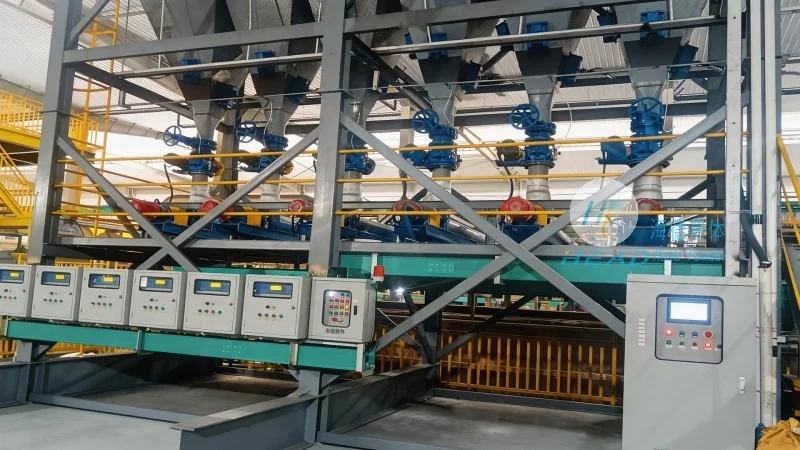
The pneumatic conveying system for copper sulfate materials operates on the fundamental principle of using compressed air to transport solid particles through a pipeline. This method, commonly employed in industrial material handling, involves the creation of a pressure differential between the material hopper and the receiving vessel. The system typically includes several key components: a storage hopper to hold the copper sulfate, a feeder mechanism that controls the flow rate of the material into the conveying line, a blower or compressor that generates the air flow, a pipeline network that transports the material, and a receiver or discharge hopper where the material is deposited. The air flow is directed through the pipeline, creating a stream that lifts and carries the copper sulfate particles. The design of the system is optimized based on the physical properties of copper sulfate, such as its particle size distribution, density, and moisture content, to ensure efficient transport with minimal pressure loss and material degradation. For example, in systems handling fine copper sulfate powders, the air velocity is carefully controlled to prevent particle segregation or caking, which could lead to blockages or uneven flow. The use of air as the conveying medium also allows for the integration of additional features, such as dust collection and filtration, to maintain a clean and safe working environment.
Key Working Scene Characteristics of Copper Sulfate Pneumatic Conveying Systems
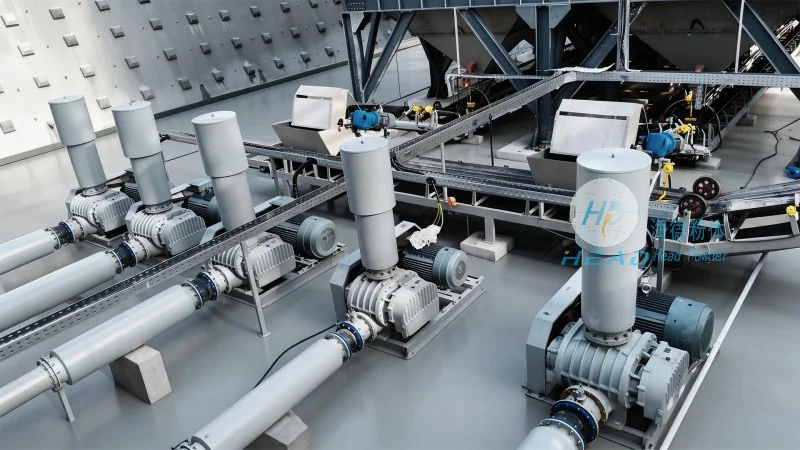
The working scene characteristics of a copper sulfate pneumatic conveying system are directly influenced by the operational environment and the specific requirements of the application. One of the primary characteristics is the need for precise control over the material feed rate. This is essential to prevent overloading the conveying line, which can cause pressure spikes or blockages, and to ensure uniform deposition of the copper sulfate at the receiving end. The system must be equipped with adjustable feeders, such as rotary valves or screw feeders, that can regulate the flow based on real-time production demands. Another critical characteristic is the requirement for corrosion-resistant materials in the system components. Copper sulfate is a chemical that can be aggressive to certain metals, so the pipeline, hopper, and feeder parts are typically constructed from materials like stainless steel or specialized alloys to withstand chemical exposure and maintain structural integrity over time. The air pressure and flow rate are also key parameters that must be optimized for the specific working conditions. For instance, in applications where the conveying distance is long or the material has high moisture content, higher air pressure may be required to overcome resistance and ensure smooth transport. Additionally, the system must be designed to handle variations in material properties, such as changes in particle size or moisture levels, without compromising performance. This adaptability is crucial for maintaining consistent production output and minimizing downtime caused by system adjustments or material changes. The working environment, including ambient temperature and humidity, also plays a role in the system's efficiency. Higher temperatures can affect air density and material flow, while high humidity may lead to moisture accumulation in the pipeline, potentially causing clogging or material degradation. By addressing these working scene characteristics, the pneumatic conveying system ensures reliable and efficient handling of copper sulfate, supporting smooth industrial operations.
About Shandong HeadPowder Engineering Co., Ltd.
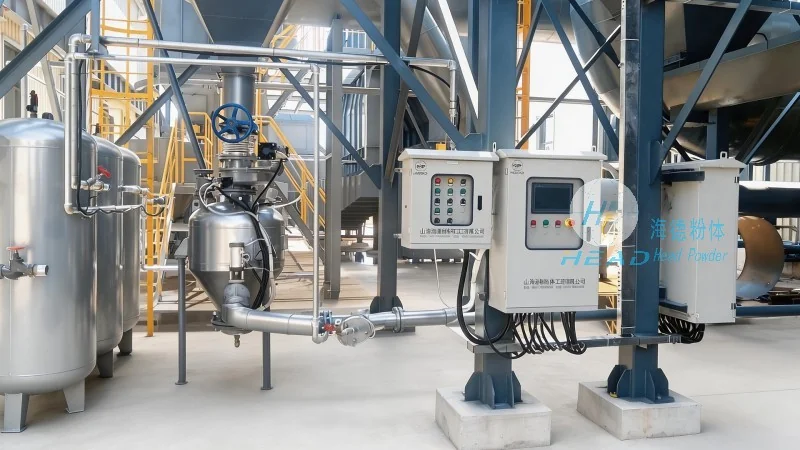
Shandong HeadPowder Engineering Co., Ltd., commonly known as headpowder, is a prominent engineering firm specializing in the design and manufacturing of advanced material handling systems. With a strong focus on innovation and customer satisfaction, the company has established itself as a trusted partner for businesses seeking efficient solutions for handling bulk materials. Headpowder's expertise lies in the development of customized pneumatic conveying systems that cater to the unique needs of various industries, including chemical processing, mining, and food processing. The company's engineering team leverages extensive experience and cutting-edge technology to design systems that optimize material transport while minimizing operational costs and environmental impact. Headpowder's facilities, located in Shandong, China, are equipped with state-of-the-art manufacturing equipment and rigorous quality control measures to ensure that every product meets the highest standards of performance and durability. The company adheres to international quality and safety standards, ensuring that its systems are reliable, efficient, and compliant with industry regulations. By offering tailored solutions, headpowder helps clients enhance their material handling capabilities, improve production efficiency, and reduce operational risks. The company's commitment to continuous improvement and customer support has earned it a reputation for excellence in the material handling industry, making it a preferred choice for businesses looking to upgrade their material transport infrastructure.