

Working Principle and Features of White Carbon Black Powder Pneumatic Conveying Equipment
White carbon black, also known as fumed silica, is a critical additive in industries like rubber, plastics, and coatings. The efficient handling of white carbon black powder is vital for maintaining product quality and operational efficiency in processing facilities. Pneumatic conveying systems offer a solution by transporting bulk materials through pipelines using air or gas as the conveying medium. This article examines the working principle and key features of white carbon black powder pneumatic conveying equipment, highlighting how it enhances material handling processes.
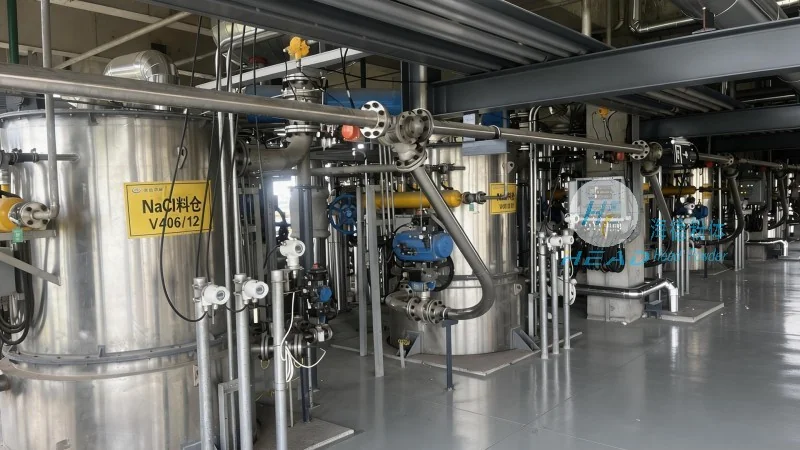
Working Principle of White Carbon Black Powder Pneumatic Conveying Equipment
The core of a pneumatic conveying system is the use of air or gas to move dry powders through a pipeline. For white carbon black powder, the equipment operates by creating a pressure differential or suction to transport the material. Key components include a hopper for storage, a feeder to control flow, a conveying line, and a receiver. The system can function in positive pressure (compressed air pushes material) or negative pressure (vacuum draws material) modes. Positive pressure systems are common for long distances or high volumes, while negative pressure is used for shorter distances or when handling sensitive materials. The fine nature of white carbon black requires careful design to prevent agglomeration or blockages. Features like air classifiers or agitators maintain consistent flow, ensuring smooth transport of the material.
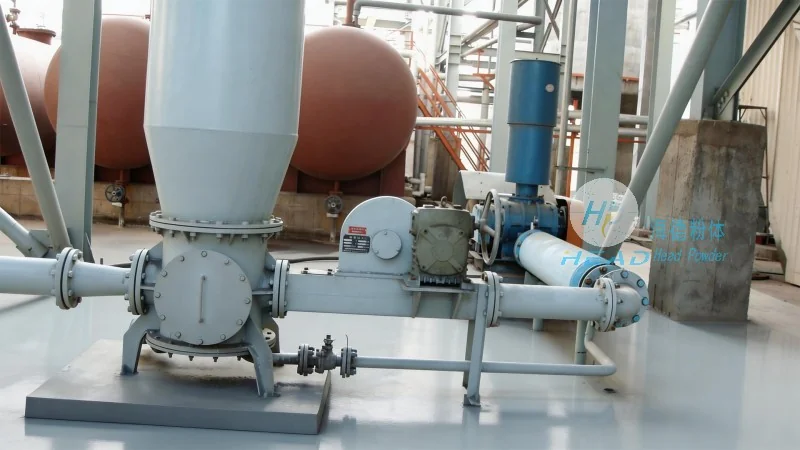
Key Features of White Carbon Black Powder Pneumatic Conveying Equipment
White carbon black powder pneumatic conveying equipment is engineered with several advantages. It operates in a closed system, minimizing dust emissions and ensuring environmental compliance. The system offers high conveying rates, optimizing material transport over long distances with reduced energy use. Flexibility allows adaptation to varying processing needs, such as changing pipeline lengths or flow rates. Easy maintenance with accessible components reduces downtime. Advanced materials like stainless steel or corrosion-resistant alloys enhance durability against abrasive particles. Integration with other equipment creates seamless workflows, and the closed design maintains product purity, critical for regulatory and quality standards.
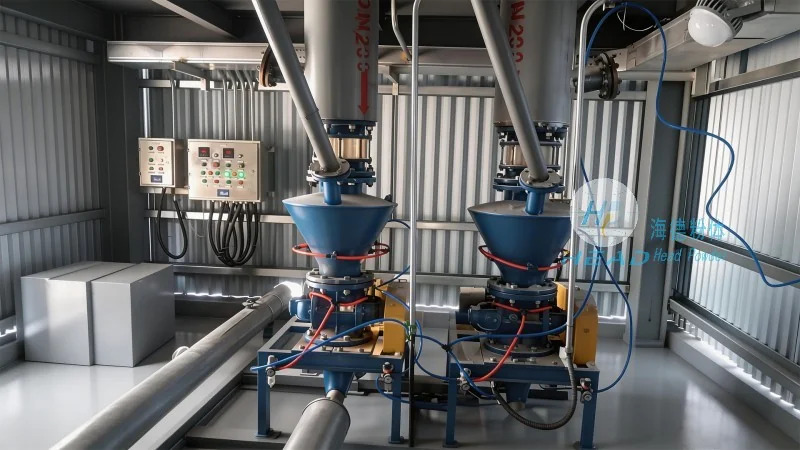
Applications and Benefits in Industrial Settings
The equipment benefits industrial operations by improving efficiency and safety. In the rubber industry, consistent mixing with white carbon black enhances product performance. In plastics, uniform additive distribution ensures mechanical properties. The system reduces manual labor and time for material handling. Environmental advantages include lower dust emissions and energy consumption compared to traditional methods like bucket elevators. High volume handling with minimal maintenance boosts economic viability. These benefits make it suitable for diverse sectors, from manufacturing to chemical processing.
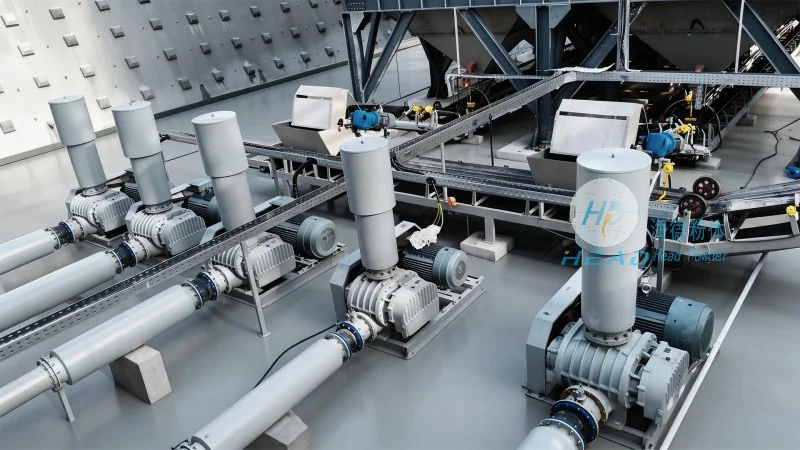
Conclusion and Company Information
White carbon black powder pneumatic conveying equipment is a reliable solution for efficient material transport. By leveraging pneumatic technology, it addresses challenges like fine powder handling, offering advantages in speed, contamination control, and environmental compliance. Key features include closed operation, flexible design, and durable construction, making it versatile for various applications. For industrial clients, investing in such equipment improves productivity, product quality, and operational efficiency. Shandong HeadPowder Engineering Co., Ltd., based in Shandong, China, specializes in designing and manufacturing tailored pneumatic conveying systems. With a focus on quality and innovation, the company delivers solutions that enhance material transport safety and efficiency across industries.