

Working Principle and Features of Polycarbonate Pneumatic Conveying Systems
Polycarbonate pneumatic conveying systems are advanced industrial equipment designed for efficient material handling and transportation. These systems utilize air pressure to move bulk materials through a pipeline network, offering a flexible and reliable solution for various applications in different industries. Shandong HeadPowder Engineering Co., Ltd., a leading manufacturer in this field, specializes in the design, development, and production of high-quality polycarbonate pneumatic conveying systems tailored to meet the diverse needs of industrial clients.
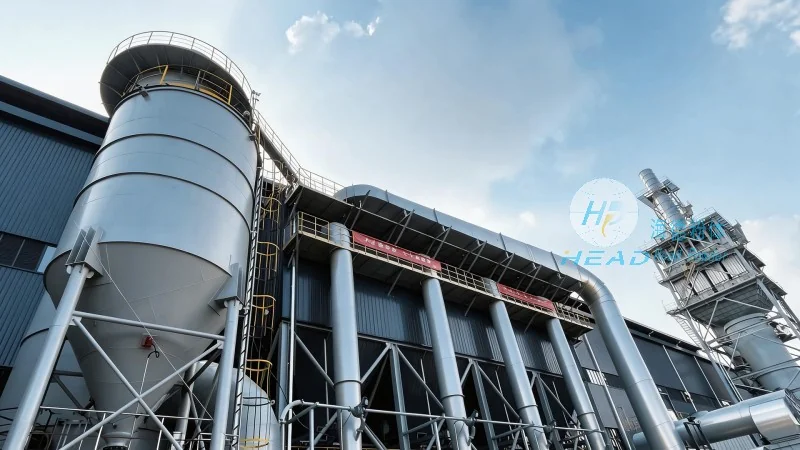
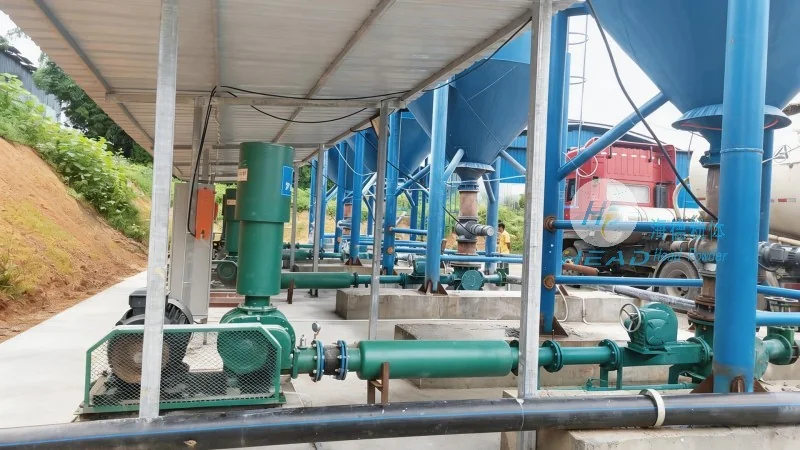
Working Principle of Polycarbonate Pneumatic Conveying Systems
The core mechanism of polycarbonate pneumatic conveying systems involves the use of compressed air to create a flow that propels bulk materials through a sealed pipeline. The process typically starts with the material being fed into a hopper or feeder, where it is then drawn into the conveying line by the pressure differential created by the air flow. Polycarbonate, known for its excellent impact resistance and transparency, is often used for the construction of the conveying components, such as the hopper, pipeline, and separator, due to its ability to withstand the mechanical stresses and environmental conditions associated with material handling. The system operates by generating a vacuum or pressure within the pipeline, depending on the type of conveying system (e.g., suction or pressure system), to move the material from the source to the destination. The air and material mixture travels through the pipeline, and at the receiving end, the material is separated from the air using a separator or cyclone, allowing the material to be discharged while the air is either recirculated or vented. This process ensures efficient material transport with minimal product degradation and loss.
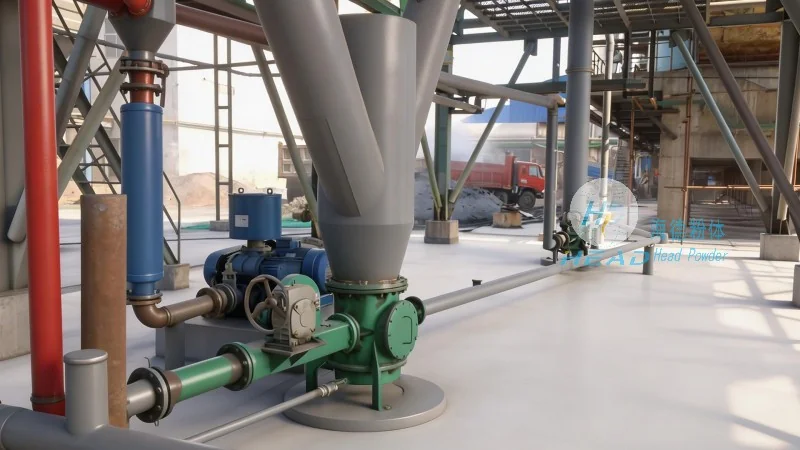
Key Features of Polycarbonate Pneumatic Conveying Systems
Polycarbonate pneumatic conveying systems offer several advantages that make them suitable for a wide range of applications. One of the primary features is the material's resistance to impact and abrasion, which enhances the durability of the conveying components, reducing the need for frequent maintenance and replacement. The transparency of polycarbonate allows for visual monitoring of the material flow, enabling operators to quickly identify any blockages or issues within the system. This visibility is particularly beneficial in industries where product quality and process control are critical. Additionally, polycarbonate is lightweight and easy to install, making it cost-effective for both new installations and retrofitting existing systems. The systems are also hygienic and easy to clean, which is essential for industries dealing with food, pharmaceuticals, or other sensitive materials. Another key feature is the flexibility in system design, as polycarbonate components can be easily customized to fit different pipeline configurations and material characteristics. This adaptability allows for the optimization of the conveying process to meet specific operational requirements, such as varying material flow rates or distances. Furthermore, the use of polycarbonate reduces the risk of material contamination, as it does not react with most chemicals or substances commonly handled in industrial processes. This ensures that the conveyed materials remain pure and free from any residues or impurities that could affect their quality or performance.
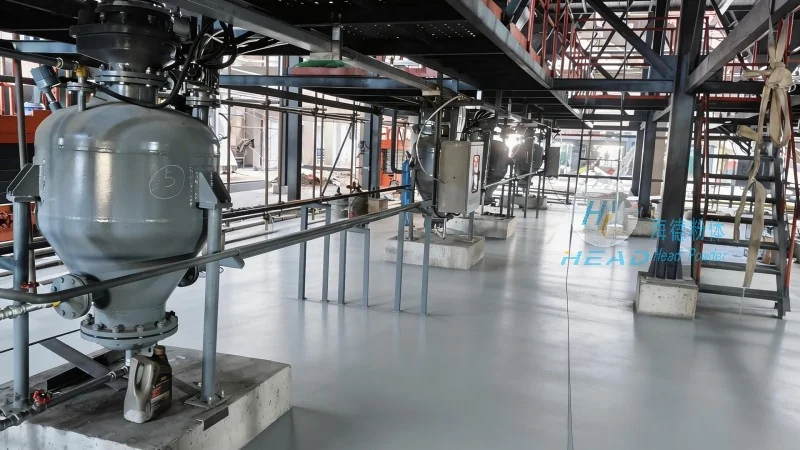
Applications and Benefits in Industrial Settings
Polycarbonate pneumatic conveying systems are widely used in various industries, including food processing, pharmaceuticals, chemicals, and manufacturing. In the food industry, these systems are employed to transport powders and granules, such as flour, sugar, and spices, ensuring that the materials are handled hygienically and without contamination. The transparency of the polycarbonate components allows for easy inspection of the material flow, which is essential for maintaining quality standards and complying with regulatory requirements. In the pharmaceutical industry, the systems are used to convey active pharmaceutical ingredients (APIs) and other sensitive materials, where cleanliness and sterility are paramount. The hygienic design of the polycarbonate components helps to minimize the risk of cross-contamination and ensures that the materials remain in their original state. In the chemical industry, the systems are used to transport various powders and granules, such as pigments, polymers, and catalysts, where the durability and resistance of the polycarbonate components are crucial for withstanding the harsh chemical environments. The benefits of using polycarbonate pneumatic conveying systems extend beyond just material handling efficiency. These systems contribute to improved productivity by reducing downtime due to maintenance and increasing the overall throughput of the production process. They also enhance safety by eliminating the need for manual handling of bulk materials, which can be hazardous and lead to accidents. Furthermore, the energy efficiency of these systems, as they use compressed air to move materials, results in lower operational costs compared to traditional methods like belt conveyors or bucket elevators. The flexibility of the system design allows for easy integration into existing production lines, minimizing the disruption to ongoing operations during installation.