With more than 10‑year industry experience, Shandong Headpowder delivers full‑service pneumatic‑conveying systems and blowers, undertaking nationwide turn‑key powder‑handling projects.
Calcium nitrite is a chemical compound widely used in various industrial applications, including water treatment, construction materials, and as a food preservative. Efficient and reliable material handling is crucial for industries dealing with this substance, and pneumatic conveying systems offer a robust solution. This article explores several effective approaches to the pneumatic conveying of calcium nitrite, highlighting key considerations and practical implementations.
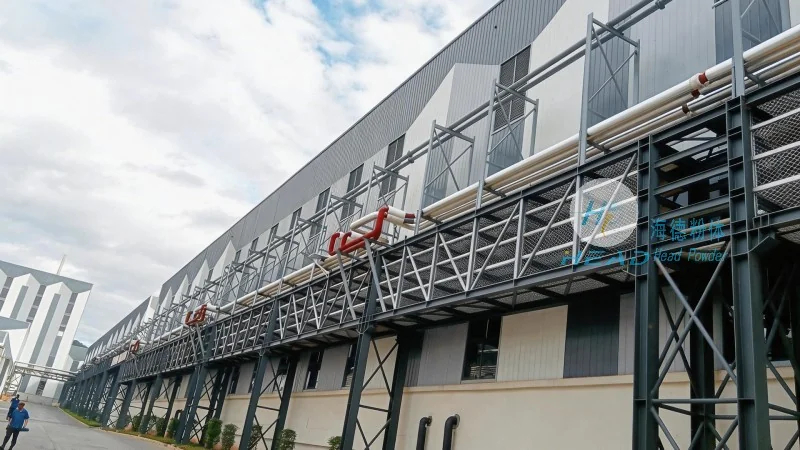
Before delving into specific solutions, it is essential to understand the critical factors that influence the design and operation of pneumatic conveying systems for calcium nitrite. The physical properties of the material, such as particle size, density, and flowability, play a significant role in determining the most suitable conveying method. Additionally, the distance and layout of the conveying line, as well as the required throughput, must be carefully evaluated to ensure optimal performance. Environmental factors, including dust control and safety measures, are also paramount in industrial settings.
Dilute phase pneumatic conveying is a common method for transporting calcium nitrite, especially over short to medium distances. This approach involves the use of high-velocity air to entrain and transport the material particles. The system typically consists of a blower, a hopper for material storage, and a pipeline with appropriate inlets and outlets. The air velocity is maintained above the minimum fluidization velocity to prevent particle settling and ensure smooth flow. This method is particularly effective for fine powders and offers advantages like low pressure drop and minimal material degradation. However, it may require larger air volumes and higher energy consumption compared to other methods.
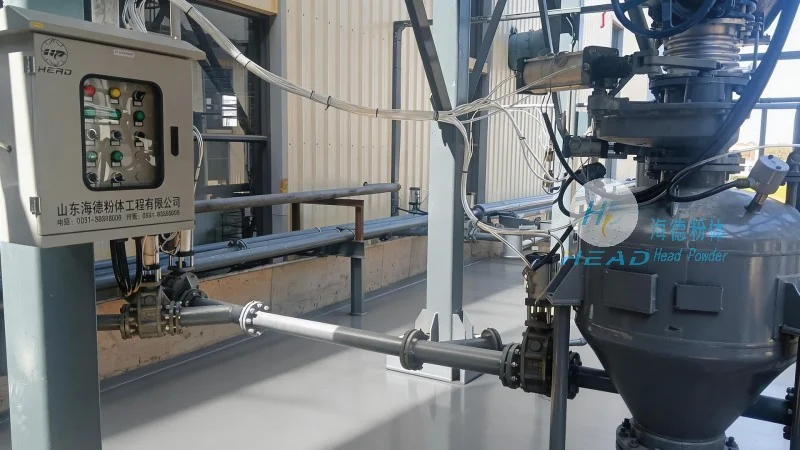
Dense phase pneumatic conveying, also known as low-velocity conveying, is another viable option for calcium nitrite. Unlike dilute phase systems, dense phase systems operate at lower air velocities, which allows for the transportation of larger particles and more material per unit volume of air. This method is often preferred for longer distances or when handling more abrasive materials. The system uses a positive displacement blower or compressor to create a higher pressure, ensuring that the material moves in a slug or plug flow. Dense phase conveying reduces the risk of particle degradation and is more energy-efficient for certain applications. It is particularly suitable for transporting calcium nitrite in bulk quantities over extended distances.
Hybrid pneumatic conveying systems combine elements of both dilute and dense phase methods to leverage the benefits of each. These systems are designed to handle a wide range of particle sizes and flow rates, making them versatile for various industrial needs. A hybrid system may use a high-velocity section for initial material acceleration and a low-velocity section for the final transport phase. This approach allows for efficient material handling while maintaining control over pressure and energy consumption. Hybrid systems are particularly effective when dealing with calcium nitrite that has varying particle characteristics or when the conveying distance and throughput requirements are mixed. They offer flexibility and adaptability, making them a popular choice in many industrial applications.
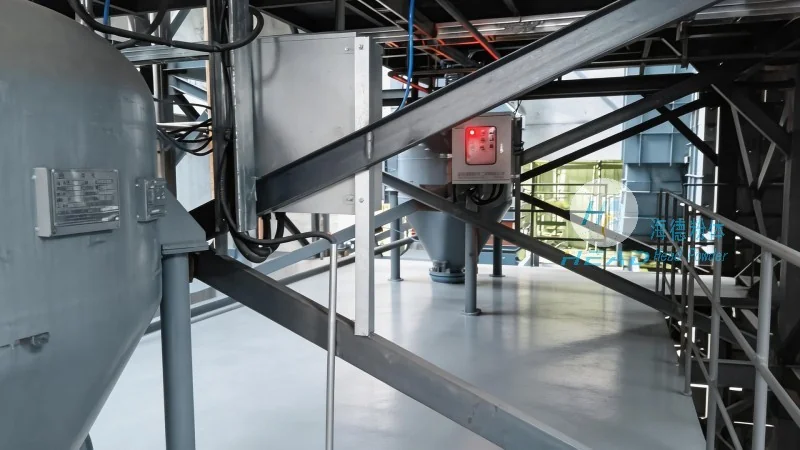
Implementing an effective pneumatic conveying system for calcium nitrite requires careful planning and adherence to best practices. Proper material handling equipment, such as hoppers and feeders, is essential to ensure consistent flow and prevent blockages. The selection of appropriate air handling equipment, including blowers and filters, is critical to maintain system efficiency and air quality. Regular maintenance and monitoring of the system are necessary to ensure optimal performance and longevity. Additionally, implementing dust control measures, such as cyclones and filters, is vital to comply with environmental regulations and maintain a safe working environment. By following these best practices, industries can achieve reliable and efficient pneumatic conveying of calcium nitrite, minimizing downtime and operational costs.
Shandong HeadPowder Engineering Co., Ltd., commonly known as HeadPowder, is a leading provider of engineering solutions for material handling and processing. With a strong focus on innovation and customer satisfaction, the company specializes in designing and manufacturing pneumatic conveying systems tailored to the specific needs of its clients. HeadPowder's expertise in handling various chemical compounds, including calcium nitrite, ensures that their solutions are both efficient and safe. The company's commitment to quality and reliability has made it a trusted partner in the industry, serving a wide range of sectors from water treatment to construction materials. HeadPowder's headquarters are located in Shandong, China, where the company operates its research and development facilities, ensuring continuous improvement and advancement in material handling technologies.

 Shandong Headpowder Engineering Co., Ltd.
 156-6277-7102(Manager Zhang)
  0531-83386006
  Zhangqiu District, Jinan City, Shandong Province, China
telephone
WeChatconsult
top