With more than 10‑year industry experience, Shandong Headpowder delivers full‑service pneumatic‑conveying systems and blowers, undertaking nationwide turn‑key powder‑handling projects.
Understanding copper mine sand material pneumatic conveying is crucial for optimizing material handling processes in mining operations. This method involves transporting bulk materials like copper mine sand using a stream of air, which serves as the medium for movement. The design principles behind such systems are tailored to meet the specific challenges and requirements of handling abrasive and heavy materials typical in copper mining.
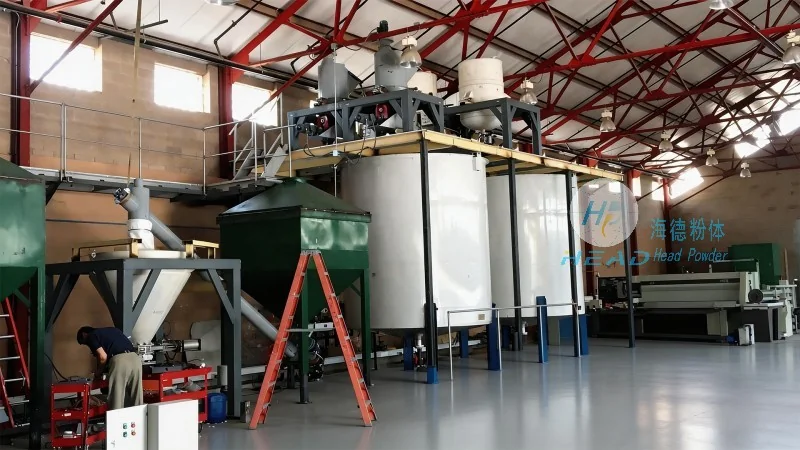
Pneumatic conveying, also known as air conveying, is a technology that utilizes air pressure or vacuum to transport solid materials. In the context of copper mine sand, this technology is employed to move ore, sand, and other byproducts from mining sites to processing facilities or storage areas. The system typically consists of a series of components, including a hopper for material storage, a blower or vacuum pump to generate airflow, a pipeline network to direct the material, and a receiver or discharge point for the material. The choice between positive pressure (blower) and negative pressure (vacuum) systems depends on factors such as the distance to be covered, the material's characteristics, and the desired efficiency.
The design of a copper mine sand pneumatic conveying system is a complex process that requires careful consideration of several key parameters. First, the material's physical properties, such as particle size, density, moisture content, and abrasiveness, must be analyzed. These properties influence the selection of the conveying velocity, which is critical for preventing material deposition or blockages in the pipeline. The velocity must be sufficient to keep the particles suspended in the air stream but not so high as to cause excessive wear on the system components.
Second, the system's pressure and airflow requirements are determined based on the distance the material needs to travel and the volume of material to be conveyed. For longer distances, higher pressure or vacuum levels may be necessary to maintain the material's suspension and prevent loss of material through leaks or pressure drops. The pipeline diameter is another critical design factor, as it affects the pressure drop along the line and the overall system efficiency. A larger diameter reduces pressure loss but increases the system's cost and footprint.
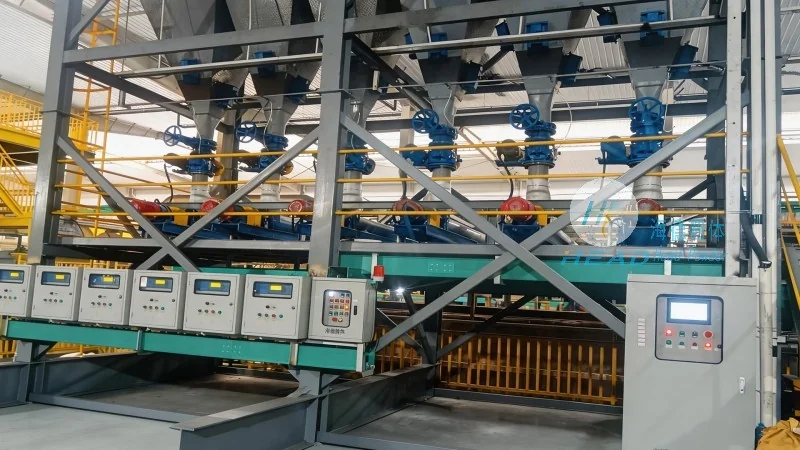
Third, the system's components, including the blower, hopper, and pipeline, must be selected to withstand the abrasive nature of copper mine sand. Materials like stainless steel or high-grade alloys are often used for the pipeline and components to ensure durability and minimize maintenance. The hopper design is also important, as it must prevent material bridging or segregation, which can lead to uneven flow and system inefficiencies. Proper sealing and feeding mechanisms are incorporated to maintain consistent material feed and prevent air leakage.
Copper mine sand material pneumatic conveying is widely used in various stages of copper mining operations. It is particularly effective for transporting ore from the mine to the crushing and grinding facilities, as well as for moving processed sand to storage or further processing units. The benefits of this technology include increased efficiency in material handling, reduced labor costs, and improved safety by minimizing the need for manual handling of heavy or hazardous materials. Additionally, pneumatic conveying systems can be designed to be compact and flexible, allowing for easy integration into existing mining infrastructure or expansion as the mining operation grows.
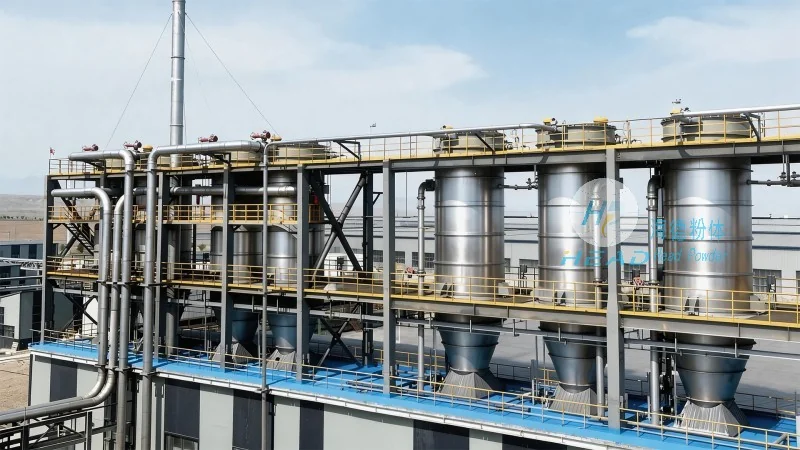
Another advantage is the ability to handle a wide range of material types and sizes, making it suitable for both primary ore and secondary sand products. The system's ability to operate under different pressure conditions also allows for adaptation to various mining site conditions, such as varying terrain or weather. By optimizing the design based on the specific characteristics of the copper mine sand, operators can achieve high throughput rates while maintaining low operational costs and minimal environmental impact.
Shandong HeadPowder Engineering Co., Ltd., a leading provider of material handling solutions, specializes in designing and manufacturing pneumatic conveying systems tailored to the needs of the mining industry. With a focus on innovation and quality, the company has developed advanced technologies to address the unique challenges of copper mine sand material handling. HeadPowder's expertise lies in understanding the material's properties and translating them into efficient, reliable conveying systems that meet the highest industry standards.
HeadPowder is committed to providing customized solutions that enhance the productivity and safety of mining operations. The company's team of engineers and technicians work closely with clients to assess their specific requirements, from material characteristics to operational constraints, and design systems that optimize performance and reduce downtime. With facilities located in Shandong, China, HeadPowder leverages its local expertise and resources to deliver high-quality products and services to clients worldwide.

 Shandong Headpowder Engineering Co., Ltd.
 156-6277-7102(Manager Zhang)
  0531-83386006
  Zhangqiu District, Jinan City, Shandong Province, China
telephone
WeChatconsult
top