With more than 10‑year industry experience, Shandong Headpowder delivers full‑service pneumatic‑conveying systems and blowers, undertaking nationwide turn‑key powder‑handling projects.
Peas are a staple agricultural product with diverse applications in food processing, animal feed, and human consumption. The efficient and reliable transportation of peas from fields to processing facilities is crucial for maintaining product quality and operational efficiency. Among the various methods used for pea conveyance, pneumatic conveying stands out as a sophisticated solution that addresses the unique challenges of handling these small, delicate legumes. This article explores common pea conveying methods, with a particular focus on the advantages and applications of pea pneumatic conveying systems.
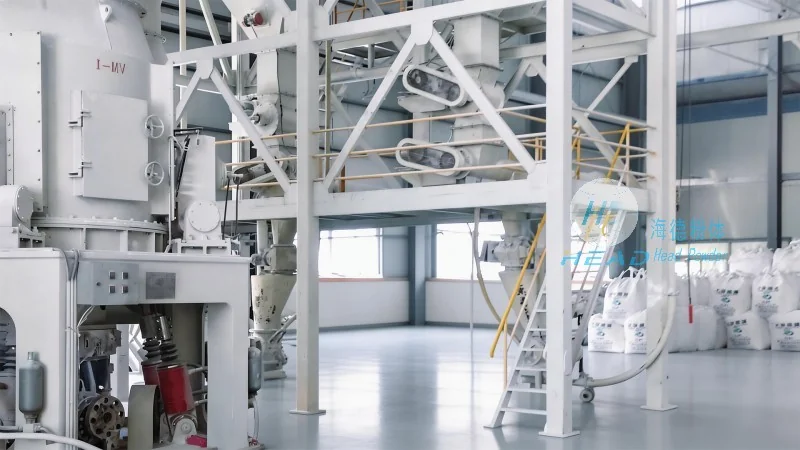
Shandong HeadPowder Engineering Co., Ltd., a leading manufacturer based in Shandong, China, specializes in the design and supply of advanced material handling equipment. With years of experience in the industry, HeadPowder has developed innovative solutions tailored to the specific needs of pea processing operations. The company's expertise in pneumatic conveying technology ensures that their systems are optimized for the efficient and hygienic transport of peas, contributing to the overall productivity and quality control of agricultural processing facilities.
Pea conveyance can be achieved through several approaches, each with its own set of advantages and limitations. Traditional methods include gravity-based systems, where peas are transported along inclined chutes or troughs, relying on the force of gravity to move the material. While simple and low-cost, gravity conveyors are limited in their ability to handle long distances or steep inclines and may not be suitable for large-scale operations. Mechanical conveyors, such as belt conveyors and screw conveyors, are widely used in agricultural processing. Belt conveyors use a continuous belt to transport peas horizontally or at a slight incline, while screw conveyors employ a rotating screw to move material through a tube. These mechanical systems are robust and effective for bulk material handling but may generate friction and heat, potentially affecting the quality of delicate peas.
Pneumatic conveying, also known as air conveying, is a method that uses compressed air or vacuum to transport materials through a pipeline. This technology is particularly well-suited for peas due to its ability to handle small, irregularly shaped particles while minimizing product damage. There are two primary types of pneumatic conveying systems: positive pressure and negative pressure. Positive pressure systems use compressed air to push the material through the pipeline, while negative pressure systems use a vacuum to draw the material into the system. Both systems offer flexibility in terms of layout and can be adapted to various processing environments.
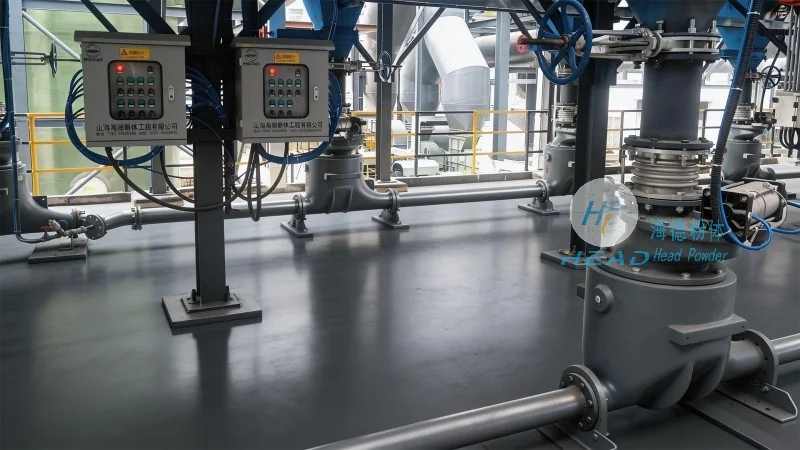
One of the key advantages of pneumatic conveying for peas is its high efficiency. By utilizing air as the conveying medium, the system can transport large volumes of material over considerable distances with minimal energy consumption. This makes it an ideal choice for large-scale pea processing plants where multiple stages of processing, such as cleaning, sorting, and packaging, are integrated. Additionally, pneumatic conveying systems are highly hygienic, as they operate in closed pipelines, reducing the risk of contamination from external sources. This is particularly important in food processing applications where product safety and compliance with regulatory standards are paramount.
Pea pneumatic conveying systems offer several distinct benefits that make them a preferred choice for many agricultural processors. Firstly, the system’s ability to handle delicate peas without causing breakage or damage is a significant advantage. The gentle movement of material within the pipeline, facilitated by the air flow, ensures that the peas retain their shape and quality, which is crucial for maintaining market value. Secondly, the flexibility of pneumatic conveying allows for easy integration with other processing equipment, such as hoppers, silos, and processing lines. This adaptability enables manufacturers to customize the system to fit their specific operational requirements, optimizing workflow and reducing downtime.
Another critical benefit is the system’s ability to handle a wide range of pea sizes and moisture contents. Whether processing fresh or dried peas, the pneumatic conveying system can be adjusted to accommodate different material characteristics. This versatility makes it suitable for various stages of pea processing, from initial reception and cleaning to final packaging. Furthermore, pneumatic conveying systems are relatively low-maintenance compared to mechanical alternatives. The absence of moving parts in the pipeline reduces the risk of wear and tear, leading to lower operational costs and longer system lifespan.
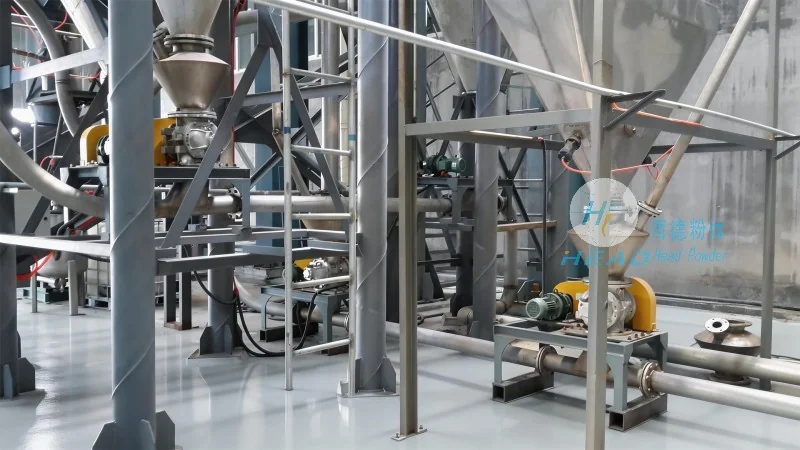
Real-world applications of pea pneumatic conveying systems illustrate their effectiveness in diverse processing scenarios. For instance, in a large-scale pea processing plant, the system may be used to transport cleaned peas from a hopper to a sorting machine, then to a drying unit, and finally to a packaging line. The closed pipeline design ensures that the peas remain protected from dust, moisture, and contaminants throughout the process. Similarly, in smaller processing facilities, pneumatic conveying can be employed to move peas from storage silos to processing equipment, streamlining operations and improving overall efficiency.
Shandong HeadPowder Engineering Co., Ltd. has successfully implemented pneumatic conveying solutions for numerous pea processing clients. By leveraging their expertise in material handling technology, HeadPowder has designed systems that meet the specific demands of each client, ensuring optimal performance and reliability. The company’s commitment to quality and innovation has positioned them as a trusted partner in the agricultural processing industry, providing solutions that enhance productivity and product quality.
In conclusion, the choice of pea conveying method significantly impacts the efficiency, quality, and safety of pea processing operations. While traditional methods like gravity and mechanical conveyors have their place, pneumatic conveying offers a modern, efficient, and hygienic solution that is well-suited for handling delicate peas. The advantages of pneumatic conveying, including high efficiency, minimal product damage, and flexibility, make it an attractive option for large-scale agricultural processing facilities. With its focus on innovation and customer satisfaction, Shandong HeadPowder Engineering Co., Ltd. continues to provide advanced pneumatic conveying systems that meet the evolving needs of the pea processing industry.

 Shandong Headpowder Engineering Co., Ltd.
 156-6277-7102(Manager Zhang)
  0531-83386006
  Zhangqiu District, Jinan City, Shandong Province, China
telephone
WeChatconsult
top