

What is Zircon Sand Powder Pneumatic Conveying Equipment? And What Are Its Design Principles?
Zircon sand, a vital raw material in industries like ceramics, refractories, and chemical manufacturing, often requires efficient and reliable transportation to maintain product quality and operational efficiency. Pneumatic conveying equipment has become a preferred solution for handling zircon sand powder due to its closed system operation, which minimizes dust emissions and ensures consistent flow rates. This article explores the concept of zircon sand powder pneumatic conveying equipment and examines the fundamental design principles that govern its operation.
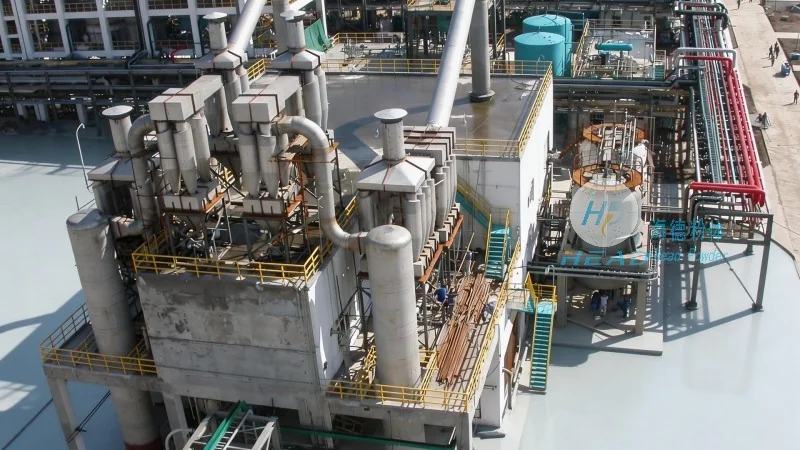
Introduction to Zircon Sand Powder Pneumatic Conveying Equipment
Pneumatic conveying systems, also known as air conveying systems, utilize compressed air or other gases to transport bulk materials such as zircon sand powder through a network of pipes. The system typically includes a feeding unit, a conveying line, and a collection or separation unit. For zircon sand applications, the equipment is engineered to accommodate the material's specific properties, including particle size, density, and flow characteristics. The primary objective is to move the powder from a source to a destination without compromising its integrity or causing excessive wear on system components.
Key Company Information
HeadPowder, a leading manufacturer based in Shandong, China, specializes in designing and producing advanced pneumatic conveying solutions tailored for industrial powders. With a strong commitment to quality and innovation, HeadPowder has established itself as a trusted partner in processing industries. The company’s facilities in Shandong are equipped with state-of-the-art technology and experienced engineering teams dedicated to delivering customized solutions that meet unique client demands.
Design Principles of Pneumatic Conveying Systems
The design of a zircon sand powder pneumatic conveying system is guided by several critical principles aimed at optimizing performance and ensuring long-term reliability. The first principle involves selecting the appropriate conveying method, which can be categorized into dilute-phase or dense-phase systems. Dilute-phase systems use high velocities to disperse particles, while dense-phase systems employ lower velocities and higher air-to-material ratios to move material in a more compact form. The choice depends on factors like particle size distribution and required transport distance.
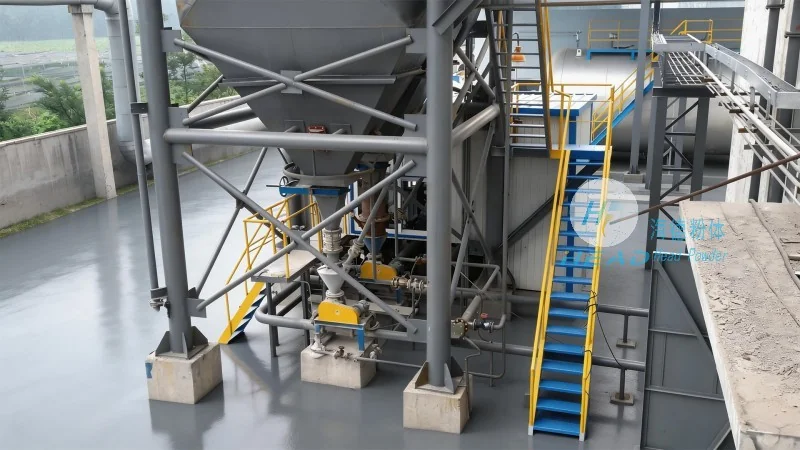
Another key principle is the calculation of air flow rates and pressure drops. Engineers must accurately determine necessary air volume and pressure to suspend particles effectively without excessive energy consumption or system wear. This requires considering material bulk density, particle size, pipeline length and diameter. Proper sizing of the air compressor and associated components is essential to maintain consistent performance and prevent operational issues.
System Components and Their Functions
A pneumatic conveying system for zircon sand typically includes several critical components, each with a vital role. The feeding unit, often a rotary valve or screw feeder, controls zircon sand flow into the conveying line, ensuring steady input. The conveying line, made of durable materials like stainless steel or specialized alloys, is designed to withstand abrasive particles and pressure differentials. The line may include bends, expansions, or restrictions to guide material and maintain flow stability.
The separation or collection unit is responsible for discharging zircon sand from the air stream and returning air for reuse. This unit may consist of a cyclone separator, bag filter, or a combination, depending on required dust control and material recovery. Proper separation system design prevents material loss and ensures clean, usable collection. Additionally, the system includes a pressure regulator and filter to maintain air quality and prevent contamination.
Application in Zircon Sand Processing
Zircon sand powder pneumatic conveying equipment is widely used in processing stages such as blending, drying, and packaging. The equipment enables seamless integration between storage silos, processing equipment, and packaging lines. The closed system minimizes environmental exposure, reducing contamination risk and improving product quality—especially important for high-value applications like ceramic tiles or specialized refractory materials.
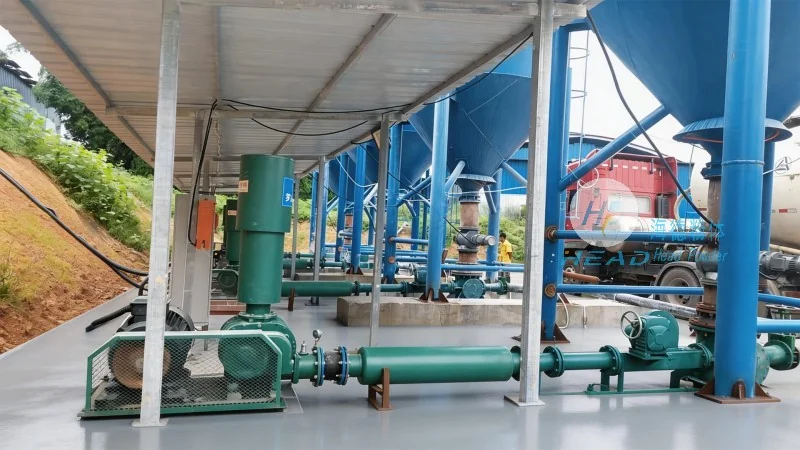
Advantages of Pneumatic Conveying for Zircon Sand
Compared to traditional methods like belt conveyors or bucket elevators, pneumatic conveying offers several advantages for zircon sand powder. One significant benefit is handling materials in a dust-free environment, enhancing workplace safety and reducing dust control needs. The closed system also prevents material contamination, keeping zircon sand pure and free from foreign particles. Additionally, pneumatic conveying systems can be easily integrated with other processing equipment, enabling a more streamlined and automated production line.
Another advantage is system flexibility. Pneumatic conveying can be configured to handle varying flow rates and distances, making it suitable for both small-scale and large-scale operations. The system can adapt to different operating conditions, such as changes in material properties or production demands, providing versatility for zircon sand processing facilities.
Conclusion
Zircon sand powder pneumatic conveying equipment is a sophisticated and efficient solution for transporting zircon sand in industrial applications. The design principles, focusing on material properties, system performance, and operational reliability, ensure effective and safe operation. Companies like Shandong HeadPowder Engineering Co., Ltd. play a crucial role in developing and manufacturing these systems, providing tailored solutions that meet specific zircon sand processing needs. As demand for high-quality zircon sand products grows, reliable pneumatic conveying equipment will remain essential, making it a vital component in modern industrial processing.