

Sodium Carbonate Powder Pneumatic Conveying Equipment: Exploring Its Function and Design Principles
When it comes to handling and transporting sodium carbonate powder efficiently, specialized equipment plays a crucial role in industrial processes. The sodium carbonate powder pneumatic conveying equipment is a key solution designed to manage the material's flow with precision and reliability. This equipment is essential for industries that rely on consistent and safe transportation of this chemical compound, ensuring optimal performance in various applications.
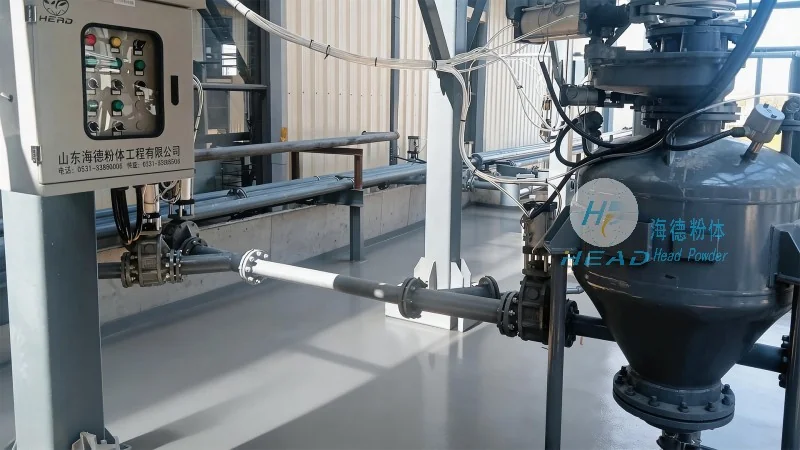
Understanding the Core Function of the Equipment
The primary function of the sodium carbonate powder pneumatic conveying equipment is to transport sodium carbonate powder from one location to another using a pneumatic system. This system typically involves a combination of air pressure and vacuum to move the powder through a pipeline network. The equipment is engineered to handle the specific properties of sodium carbonate, such as its particle size, density, and flow characteristics, ensuring that the material is conveyed without degradation or loss. By utilizing this technology, industries can achieve seamless material transfer, reducing downtime and improving overall operational efficiency.
Key Design Principles Behind the Equipment
The design of the sodium carbonate powder pneumatic conveying equipment is based on several fundamental principles that ensure its effectiveness and durability. One of the core principles is the use of a positive pressure or negative pressure system to move the powder. Positive pressure systems use compressed air to push the powder through the pipeline, while negative pressure systems use vacuum to draw the powder. The choice between these systems depends on the specific application and the distance the powder needs to be transported. Additionally, the equipment incorporates features like cyclone separators and filters to prevent dust and particles from escaping into the environment, maintaining air quality and compliance with safety regulations.
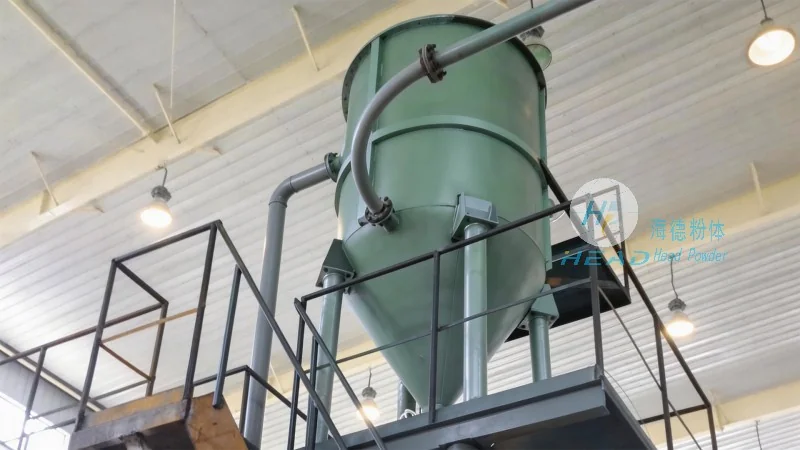
Components and Their Roles in the System
The sodium carbonate powder pneumatic conveying equipment consists of several critical components that work together to achieve efficient material transport. The main components include the hopper, which holds the sodium carbonate powder; the air compressor or vacuum pump, which provides the necessary pressure or vacuum; the pipeline network, which carries the powder; and the control system, which regulates the flow and pressure. The hopper is designed to prevent material bridging and ensure a consistent feed rate, while the air compressor maintains a stable pressure to avoid blockages. The pipeline network is typically made of materials resistant to corrosion and abrasion, such as stainless steel, to withstand the chemical properties of sodium carbonate. The control system allows operators to monitor and adjust the conveying process in real-time, ensuring optimal performance and preventing issues like overpressure or underflow.
Benefits of Using Sodium Carbonate Powder Pneumatic Conveying Equipment
Implementing the sodium carbonate powder pneumatic conveying equipment offers numerous benefits for industrial operations. One of the significant advantages is the ability to transport the powder over long distances without the need for intermediate storage or handling. This reduces the risk of material contamination and improves process continuity. Additionally, the equipment minimizes the need for manual handling, enhancing workplace safety and reducing labor costs. The system also allows for precise control over the flow rate, ensuring that the amount of sodium carbonate delivered matches the requirements of downstream processes. Furthermore, the use of pneumatic conveying reduces the risk of dust explosions compared to traditional mechanical conveying methods, making it a safer option for handling potentially hazardous materials.
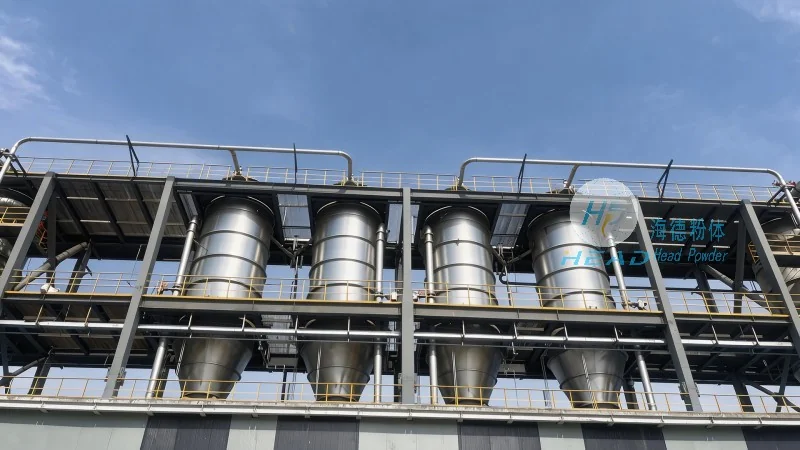
Applications in Industrial Settings
The sodium carbonate powder pneumatic conveying equipment is widely used in various industrial applications where sodium carbonate is a key ingredient. These applications include chemical manufacturing, where sodium carbonate is used in the production of detergents, glass, and paper. In the food industry, it is used as a leavening agent and in the production of baking powders. The equipment is also utilized in water treatment facilities, where sodium carbonate is employed to adjust pH levels and remove impurities. By providing a reliable and efficient means of transporting sodium carbonate, the equipment supports the smooth operation of these processes, ensuring that the material is available when needed and in the correct quantity.
Maintenance and Operational Considerations
To ensure the longevity and optimal performance of the sodium carbonate powder pneumatic conveying equipment, regular maintenance is essential. This includes checking the air compressor or vacuum pump for proper operation, inspecting the pipeline for blockages or leaks, and cleaning the cyclone separators and filters regularly. The hopper should also be inspected for signs of wear or corrosion, as these can affect the feed rate and material flow. Additionally, operators should monitor the pressure and flow rates during operation to detect any abnormalities early. Proper maintenance not only extends the equipment's lifespan but also prevents costly downtime and ensures consistent performance. It is also important to follow the manufacturer's guidelines for operation and maintenance to maximize the equipment's efficiency and safety.