

Pneumatic Conveying of Lithium Battery Anode Material Powder: Exploring Design Principles
Understanding the pneumatic conveying of lithium battery anode material powder is crucial for optimizing material handling processes in the battery manufacturing industry. This technology involves the transport of fine powders, such as those used in lithium-ion battery anodes, using a pressurized air stream. The design principles behind such systems are critical for ensuring efficiency, reliability, and safety in material transport operations.
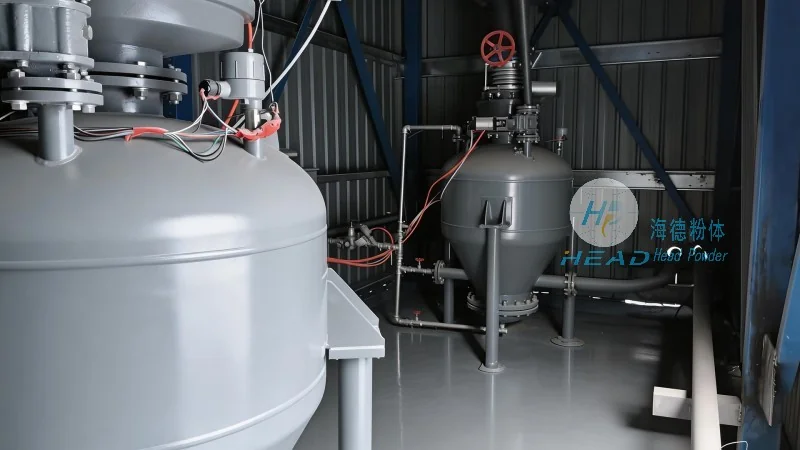
What is Pneumatic Conveying of Lithium Battery Anode Material Powder?
Pneumatic conveying of lithium battery anode material powder refers to the method of transporting fine powder materials, typically used in the production of lithium-ion battery anodes, through a pipeline using a pressurized air or gas stream. This process replaces traditional methods like bulk handling with mechanical conveyors, offering advantages in terms of cleanliness, flexibility, and the ability to handle hazardous or sensitive materials. The system typically consists of a material feed hopper, a conveying line, and a discharge point, all connected to a blower or compressor that generates the necessary air pressure.
Key Design Principles for Pneumatic Conveying Systems
The design of a pneumatic conveying system for lithium battery anode materials involves several critical principles aimed at maximizing performance and minimizing operational issues. First, the system must be designed to handle the specific properties of the anode powder, including its particle size distribution, density, and flowability. These characteristics directly impact the air velocity required for effective transport and the risk of particle segregation or clogging. Engineers must calculate the appropriate air velocity to ensure that particles are fully suspended and transported without settling or blocking the pipeline.
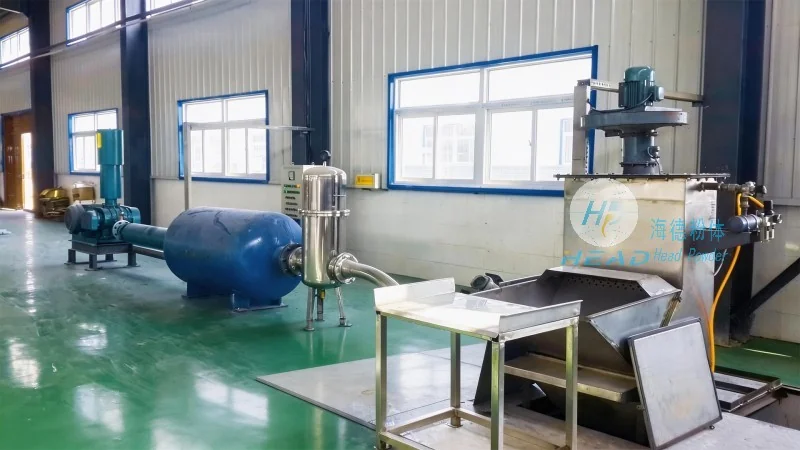
Second, the system's layout and components are designed to minimize pressure drops and energy consumption. This includes selecting the right type of pipeline (e.g., flexible or rigid), using appropriate fittings and valves, and ensuring proper sizing of the blower or compressor. The design also considers the need for dust collection and filtration to maintain air quality and comply with environmental regulations. For lithium battery anode materials, which may be sensitive to moisture or contamination, the system must incorporate features like moisture control and particle separation to preserve material quality.
Components and Operational Mechanisms
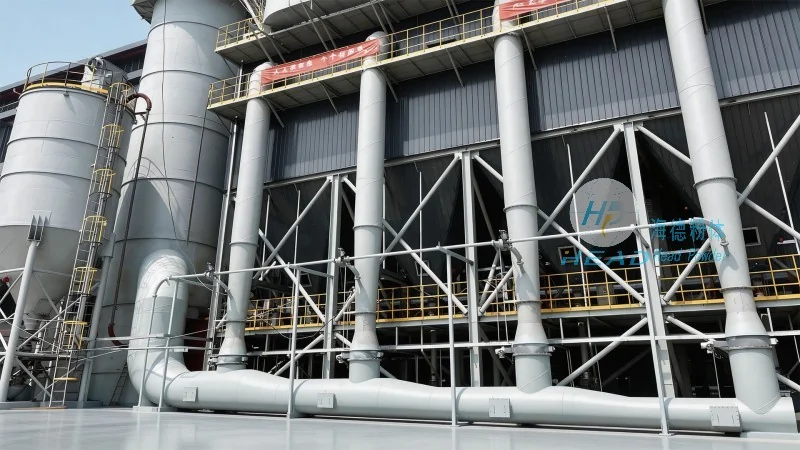
A typical pneumatic conveying system for lithium battery anode materials includes several key components, each playing a vital role in the overall operation. The material feed hopper is designed to store and feed the powder into the conveying line at a controlled rate. This hopper often includes a feeder, such as a rotary valve or screw feeder, to regulate the flow of material and prevent overfilling. The conveying line, usually made of stainless steel or other corrosion-resistant materials, is sized to accommodate the particle size and flow rate of the anode powder. The line may include bends, expansions, or reductions to adjust the air velocity and pressure along the path.
The blower or compressor provides the necessary air pressure to move the powder through the system. The choice of equipment depends on the system's capacity, the material's properties, and the desired conveying distance. Positive displacement blowers are commonly used for low to medium capacity systems, while centrifugal blowers are suitable for higher capacities. The discharge point, or receiver, is designed to collect the conveyed powder and may include a dust collection system to capture any fine particles that escape during discharge.
Applications and Benefits in Lithium Battery Manufacturing
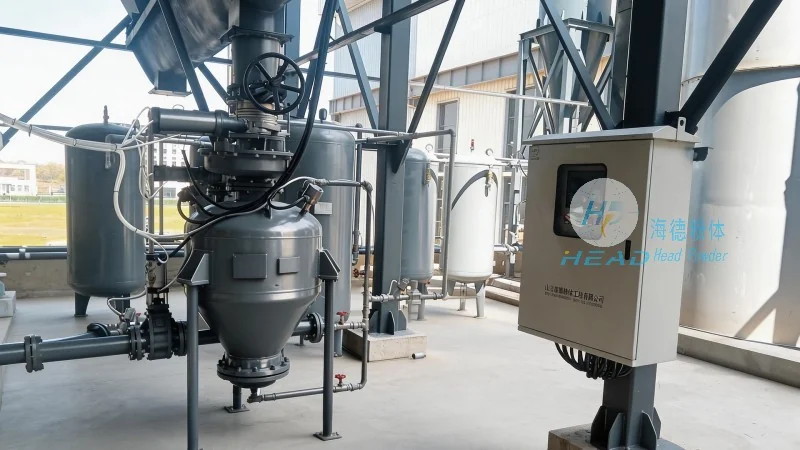
Pneumatic conveying of lithium battery anode material powder is widely used in various stages of battery production, from raw material handling to final product assembly. In the raw material processing stage, the system can transport anode powders from storage silos to mixing and coating equipment. During the manufacturing process, it facilitates the transfer of coated powders to drying and pressing machines. The benefits of this technology include improved process control, reduced material waste, and enhanced safety by eliminating the need for manual handling of powders.
For manufacturers like Shandong HeadPowder Engineering Co., Ltd., specializing in powder engineering solutions, the design and implementation of pneumatic conveying systems are tailored to meet the specific needs of lithium battery production. The company's expertise in material handling and process optimization ensures that systems are designed to handle the unique challenges of anode powders, such as their fine particle size and sensitivity to moisture. By adhering to rigorous design principles and using high-quality components, HeadPowder provides reliable and efficient solutions that enhance the overall productivity and quality of lithium battery manufacturing operations.