

What is Glass Fiber Cellulose Powder Pneumatic Conveying? And What Are Its Design Principles?
Understanding the fundamentals of glass fiber cellulose powder pneumatic conveying is crucial for industries dealing with fine particulate materials. This technology involves the transport of dry powders, such as glass fiber cellulose, through a pipeline using a gas stream, typically air. The process is widely used in various sectors due to its efficiency and ability to handle delicate materials without degradation.
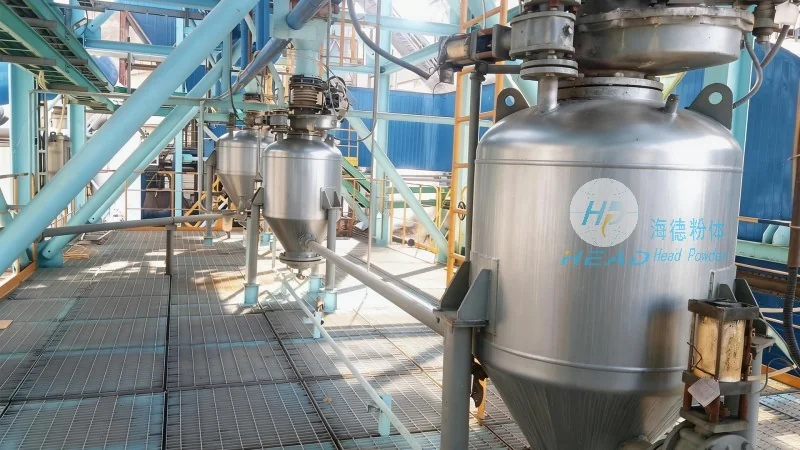
Introduction to Glass Fiber Cellulose Powder Pneumatic Conveying
Glass fiber cellulose powder is a type of fine particulate material commonly used in manufacturing processes. Pneumatic conveying systems are designed to move these powders from one location to another within a facility. The core principle revolves around creating a pressure differential that propels the powder particles through the conveying line. This method offers advantages over traditional mechanical conveying systems, including reduced contamination, lower maintenance requirements, and the ability to handle materials that are sensitive to friction or impact.
Key Components of a Pneumatic Conveying System
A typical glass fiber cellulose powder pneumatic conveying system consists of several critical components. These include the material feed hopper, which holds the powder and regulates its flow into the system; the air compressor or blower, which generates the necessary air pressure to move the particles; the conveying line, which is often made of materials resistant to abrasion and corrosion, such as stainless steel or plastic; and the receiver or discharge hopper, where the material is collected after transport. Additionally, the system may include filters and cyclones to separate the powder from the air stream, ensuring that the material remains clean and free from contamination.
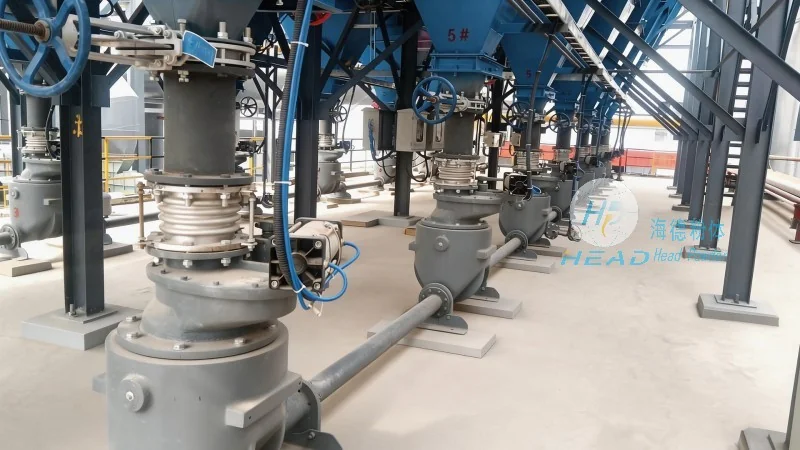
Design Principles for Efficient Pneumatic Conveying
The design of a glass fiber cellulose powder pneumatic conveying system must consider several factors to ensure optimal performance. One of the primary considerations is the particle size and density of the material, as these characteristics affect the air velocity required for effective transport. Larger or denser particles may need higher air pressures to achieve the desired flow rates. Another critical factor is the system's layout, including the length and diameter of the conveying line, as well as the number and placement of bends or elbows, which can impact the pressure drop and overall efficiency. Engineers must also account for the material's flow properties, such as its angle of repose and cohesive behavior, to prevent clogging or blockages in the pipeline.
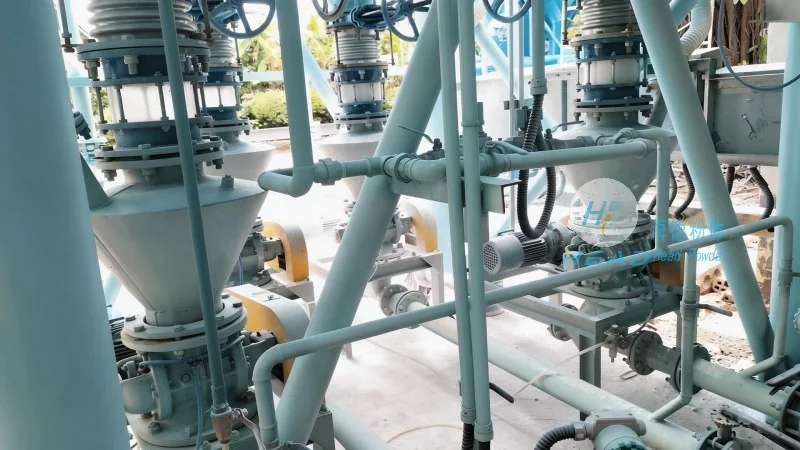
Applications and Benefits of Glass Fiber Cellulose Powder Pneumatic Conveying
Glass fiber cellulose powder pneumatic conveying is utilized in a variety of applications across different industries. In the pharmaceutical sector, it is used to transport active pharmaceutical ingredients (APIs) and excipients with high precision and minimal contamination. In the food and beverage industry, it is employed to move ingredients like cellulose powders for food processing, ensuring that the materials remain sterile and free from microbial growth. The automotive industry also benefits from this technology when handling glass fiber reinforcements for composite materials, as it allows for the efficient and clean transport of these delicate components.
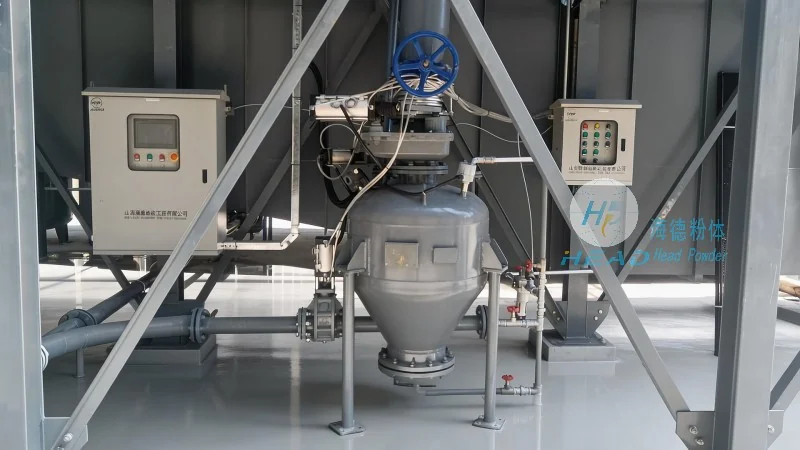
Company Overview: Shandong HeadPowder Engineering Co., Ltd.
Shandong HeadPowder Engineering Co., Ltd., commonly known as HeadPowder, is a leading provider of pneumatic conveying solutions tailored for glass fiber cellulose powder applications. The company specializes in designing and manufacturing customized conveying systems that meet the specific needs of its clients. With a focus on innovation and quality, HeadPowder has established itself as a trusted partner in the industry, offering expertise in material handling and process optimization. The company's headquarters is located in Shandong, China, where it leverages advanced technology and skilled engineering to deliver reliable and efficient pneumatic conveying systems.
Conclusion
Glass fiber cellulose powder pneumatic conveying is a sophisticated and efficient method for transporting fine particulate materials. By understanding the design principles and key components of such systems, industries can enhance their material handling processes, improve product quality, and reduce operational costs. Companies like Shandong HeadPowder Engineering Co., Ltd. play a vital role in providing tailored solutions that address the unique challenges of handling glass fiber cellulose powders, ensuring that these materials are transported safely and effectively across various applications.