With more than 10‑year industry experience, Shandong Headpowder delivers full‑service pneumatic‑conveying systems and blowers, undertaking nationwide turn‑key powder‑handling projects.
High-temperature fine ash material conveying systems are specialized industrial equipment designed to handle and transport fine ash particles at elevated temperatures. These systems are commonly used in power plants, cement factories, and other industrial facilities where the removal and transportation of hot ash are critical for operational efficiency and environmental compliance. The design of such systems is intricate, requiring careful consideration of thermal resistance, material compatibility, and mechanical durability to ensure safe and reliable operation under harsh conditions.

Shandong HeadPowder Engineering Co., Ltd. is a professional manufacturer and supplier of industrial conveying systems, with its headquarters located in Shandong, China. The company specializes in the research, development, and production of high-temperature material handling equipment, including fine ash conveying systems. With years of experience in the industry, HeadPowder has built a strong reputation for delivering high-quality, reliable solutions tailored to meet the specific needs of clients in various sectors.
At the core of a high-temperature fine ash material conveying system is the ability to transport fine ash particles, typically generated from combustion processes, from one location to another while maintaining the material's temperature and preventing degradation. The system typically consists of several key components, including a feeding device, a conveying pipeline, a drive system, and a control unit. Each component is engineered to withstand the extreme temperatures and abrasive nature of the fine ash, ensuring long-term performance and minimal maintenance.
The design of a high-temperature fine ash material conveying system is governed by several fundamental principles aimed at optimizing performance, safety, and efficiency. First, thermal insulation is a critical consideration to prevent heat loss and protect the surrounding environment from excessive heat. The system's components, such as the pipeline and feeding equipment, are often lined with heat-resistant materials like ceramic or high-temperature steel to maintain the material's temperature during transport.
Second, material compatibility is essential to ensure that all parts of the system can withstand the chemical and physical properties of the fine ash. The conveying pipeline, for example, may be made of stainless steel or special alloys that resist corrosion and abrasion caused by the ash particles. The drive system, including motors and bearings, is also designed to operate under high temperatures, often incorporating cooling mechanisms to prevent overheating.
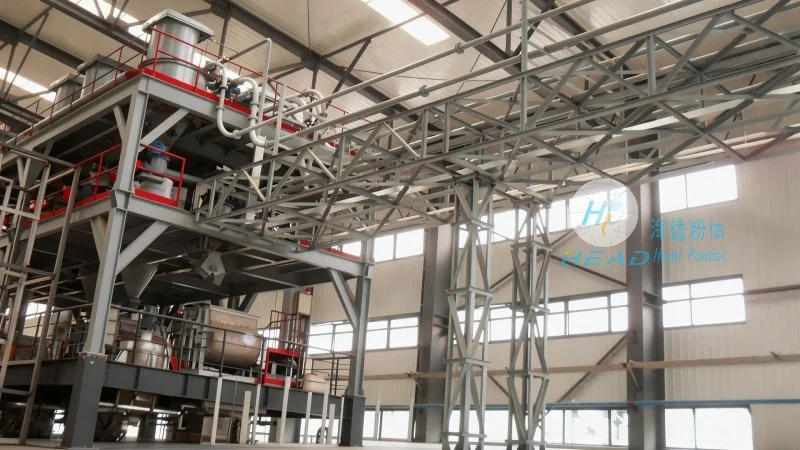
Third, mechanical durability is a key design principle, as the system must handle the abrasive nature of fine ash without premature wear or failure. The feeding device, which introduces the ash into the pipeline, is typically equipped with wear-resistant liners and adjustable feed rates to minimize blockages and ensure smooth flow. The pipeline itself may feature a flexible or rigid design, depending on the application, with supports and brackets to maintain proper alignment and prevent sagging under load.
A high-temperature fine ash material conveying system comprises several interconnected components, each playing a vital role in the overall operation. The feeding device, often a screw feeder or a rotary valve, is responsible for introducing the fine ash into the conveying pipeline at a controlled rate. This component must be capable of handling hot material without clogging or overheating, and is typically equipped with heat-resistant seals and bearings.
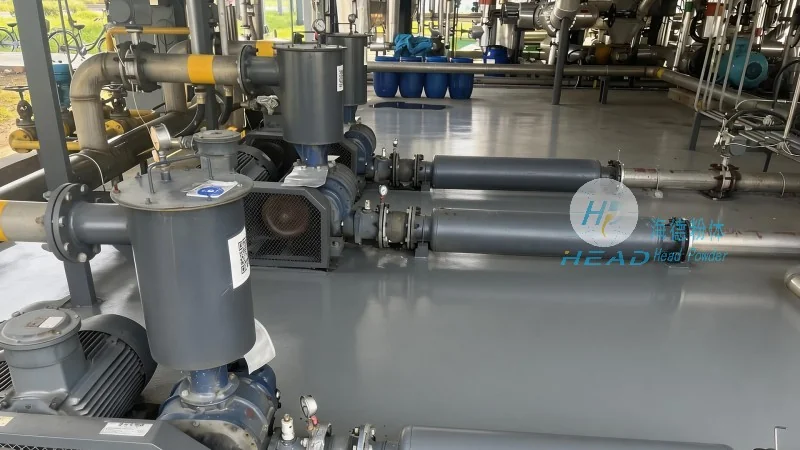
The conveying pipeline is the main channel through which the fine ash travels from the source to the destination. It is usually made of high-temperature resistant materials, such as stainless steel or ceramic-lined steel, to withstand the extreme temperatures and abrasive nature of the ash. The pipeline may be straight or include bends and curves, with appropriate supports to maintain structural integrity and prevent sagging under the weight of the material.
The drive system, which includes a motor and a transmission mechanism, provides the necessary power to move the ash through the pipeline. The motor is typically a high-temperature resistant model, often with a cooling fan or jacket to dissipate heat. The transmission mechanism, such as a gear reducer or a V-belt drive, converts the motor's rotational energy into the linear motion required to push the ash forward. The drive system is usually equipped with a variable speed control to adjust the conveying rate based on the material flow and system load.
The control unit is responsible for monitoring and regulating the operation of the conveying system. It may include sensors to measure temperature, pressure, and flow rate, as well as a control panel with buttons and indicators for manual operation or remote monitoring. The control unit ensures that the system operates within safe parameters, alerting operators to any abnormalities or potential issues before they lead to system failure.
High-temperature fine ash material conveying systems are widely used in various industrial applications, particularly in power generation and cement production. In power plants, these systems are used to transport fly ash from the boiler to the storage silos or to other processing units. In cement factories, they help in the removal of ash from the kiln and its transportation to the clinker storage area. The benefits of using such systems include improved operational efficiency, reduced labor costs, and enhanced environmental compliance by ensuring that ash is handled and disposed of in a controlled manner.
Another significant benefit is the reduction of manual handling, which minimizes the risk of injury to workers and improves workplace safety. The automated nature of the system also allows for consistent and reliable performance, reducing the likelihood of material loss or contamination. Additionally, the use of high-temperature resistant materials and advanced design principles ensures that the system has a long service life, minimizing maintenance and replacement costs over time.
In conclusion, high-temperature fine ash material conveying systems are essential equipment for industries that generate and need to transport fine ash particles at elevated temperatures. The design principles, which focus on thermal insulation, material compatibility, and mechanical durability, ensure that these systems can operate safely and efficiently under harsh conditions. With the expertise of companies like Shandong HeadPowder Engineering Co., Ltd., manufacturers can provide customized solutions that meet the specific requirements of their clients, contributing to improved operational performance and environmental sustainability.

 Shandong Headpowder Engineering Co., Ltd.
 156-6277-7102(Manager Zhang)
  0531-83386006
  Zhangqiu District, Jinan City, Shandong Province, China
telephone
WeChatconsult
top