With more than 10‑year industry experience, Shandong Headpowder delivers full‑service pneumatic‑conveying systems and blowers, undertaking nationwide turn‑key powder‑handling projects.
Automatic feeding material handling equipment is a critical component in modern industrial operations, designed to efficiently transport and deliver bulk materials from one point to another. These systems are integral to various manufacturing processes, ensuring smooth and continuous material flow, which is essential for maintaining production efficiency and reducing downtime. The design of such equipment is meticulously engineered to meet the specific requirements of different industries, from food processing to chemical manufacturing, and beyond.
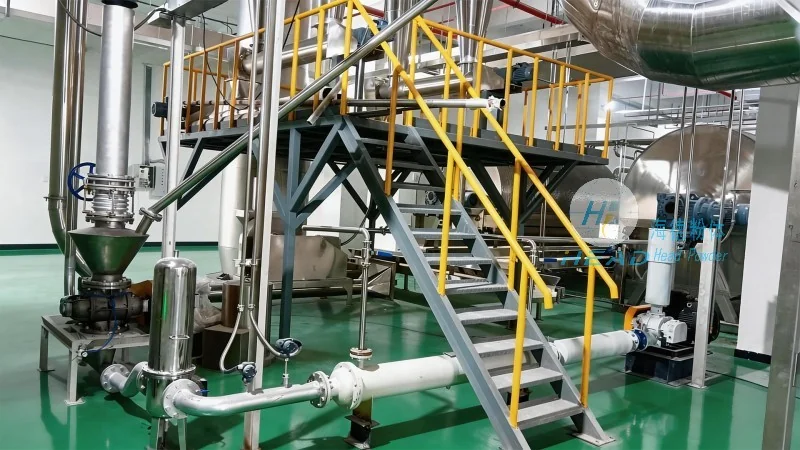
The primary function of automatic feeding material handling equipment is to automate the process of material transfer. Traditionally, manual handling of bulk materials was labor-intensive and prone to errors, but with the advent of automated systems, these challenges have been significantly mitigated. These systems are designed to handle a wide range of materials, including powders, granules, and bulk solids, with precision and consistency. The equipment typically includes components like hoppers, conveyors, and control panels, all working in tandem to ensure that materials are fed, transported, and deposited accurately at the desired location. This automation not only enhances operational speed but also improves safety by minimizing human intervention in potentially hazardous environments.
The design of automatic feeding material handling equipment is based on several key principles that ensure optimal performance and reliability. One of the most critical aspects is the integration of mechanical and electrical systems. The mechanical components, such as the conveyor belts, rollers, and feeding mechanisms, are engineered to handle the specific characteristics of the materials being transported—such as density, flowability, and abrasiveness. For instance, in applications involving fine powders, the equipment may incorporate special hopper designs to prevent material bridging and ensure uniform feeding. The control systems, often equipped with sensors and programmable logic controllers (PLCs), monitor the material flow and adjust the feeding rate in real-time, adapting to changes in production demand or material properties. This closed-loop control system enhances the equipment's responsiveness and accuracy, reducing the risk of overfeeding or underfeeding, which can lead to production inefficiencies or product defects.
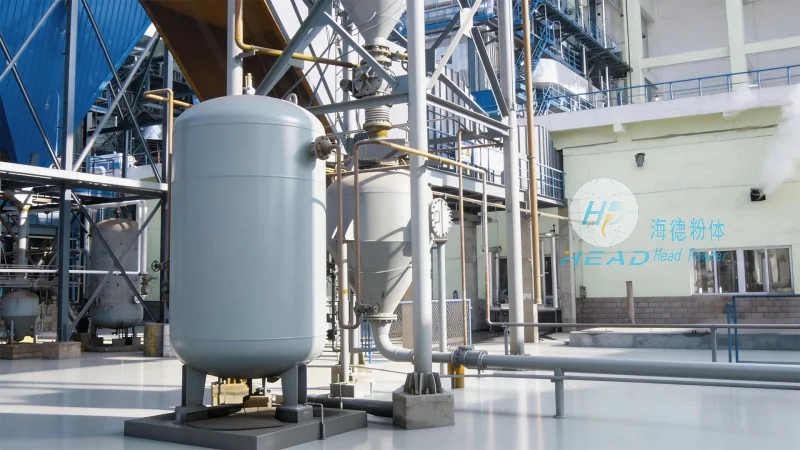
Automatic feeding material handling equipment consists of several interconnected components, each playing a vital role in the overall operation. The hopper is the primary container where materials are stored before being fed into the system. It is designed with a specific geometry to promote material flow and prevent clogging. The feeding mechanism, which may include screws, vibrators, or rotary valves, transfers the material from the hopper to the conveyor. The conveyor system, such as belt or chain conveyors, transports the material to the discharge point. Sensors, including level detectors and flow meters, provide feedback to the control system, ensuring that the feeding process is monitored and controlled effectively. The control panel, equipped with user-friendly interfaces, allows operators to set parameters, monitor the system's status, and troubleshoot any issues that may arise. Each component is carefully selected and integrated to ensure that the entire system operates seamlessly, minimizing maintenance requirements and maximizing uptime.
The versatility of automatic feeding material handling equipment makes it suitable for a wide range of applications across various industries. In the food and beverage industry, these systems are used to handle ingredients like flour, sugar, and spices, ensuring consistent quality and preventing contamination. In the chemical industry, they are employed to transport raw materials and finished products, adhering to strict safety and regulatory standards. The pharmaceutical industry also relies on these systems for the precise handling of active pharmaceutical ingredients (APIs) and other sensitive materials. Additionally, in the mining and construction sectors, automatic feeding equipment is used to transport bulk materials like ores, sand, and gravel, enhancing the efficiency of material processing and transportation. The adaptability of these systems allows them to be customized to meet the unique demands of each application, making them a valuable asset in modern industrial settings.
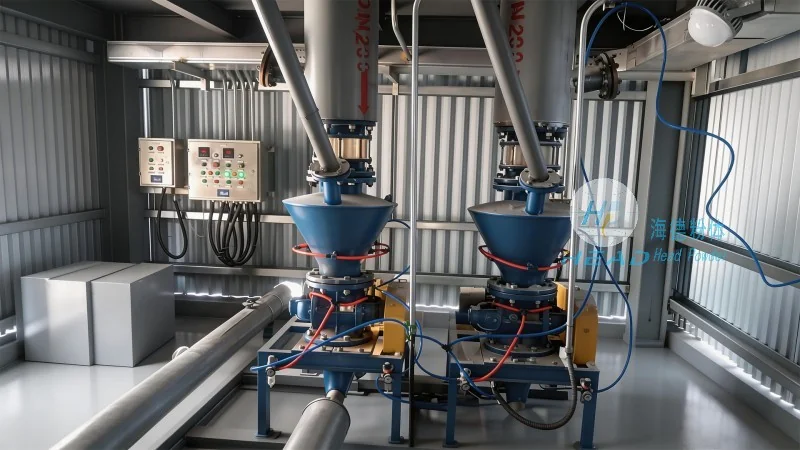
Adopting automatic feeding material handling equipment offers numerous advantages that contribute to improved operational performance and cost savings. One of the most significant benefits is the reduction in labor costs, as the system automates the material handling process, reducing the need for manual labor. This not only lowers operational expenses but also improves workplace safety by minimizing human exposure to heavy lifting and hazardous materials. The equipment also enhances production efficiency by ensuring a continuous and consistent flow of materials, which can lead to increased output and reduced downtime. Furthermore, the precision and accuracy of automated feeding systems reduce the risk of material waste and product defects, improving overall product quality. The ability to monitor and control the system in real-time allows for quick adjustments to production parameters, enabling manufacturers to respond rapidly to changing market demands. Additionally, the integration of sensors and control systems provides valuable data on system performance, facilitating predictive maintenance and reducing unexpected breakdowns.
Automatic feeding material handling equipment can be customized to fit the specific needs of a facility, ensuring optimal integration with existing production lines. Manufacturers often offer a range of options, including different hopper sizes, conveyor types, and control interfaces, to accommodate various material characteristics and production requirements. The equipment can also be integrated with other industrial systems, such as batching systems, packaging machines, and quality control devices, creating a seamless material handling workflow. This integration enhances the overall efficiency of the production process by eliminating bottlenecks and ensuring that materials are transferred smoothly from one stage to the next. Customization may also involve the addition of safety features, such as emergency stop buttons and interlocks, to comply with industry safety standards. The ability to tailor the equipment to the specific needs of a facility ensures that it delivers maximum value and contributes to the long-term success of the operation.
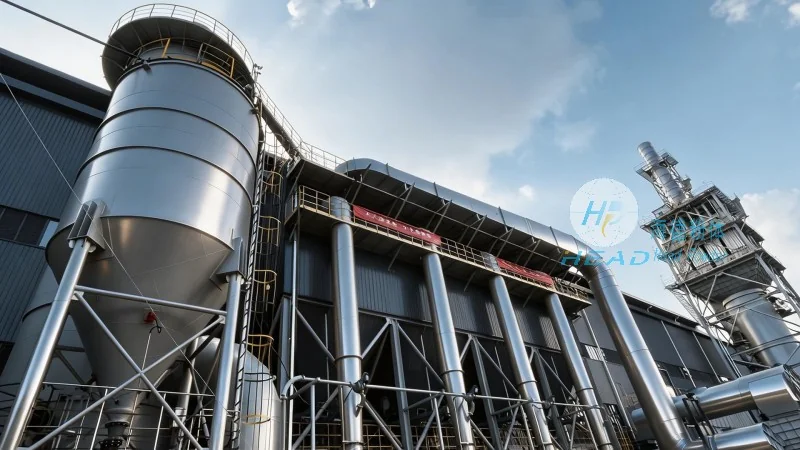
Proper maintenance is crucial for ensuring the longevity and reliability of automatic feeding material handling equipment. Regular maintenance, including cleaning, lubrication, and inspection of components, helps prevent wear and tear and extends the equipment's service life. The control systems and sensors should be checked regularly to ensure they are functioning correctly and providing accurate feedback. Any issues detected during maintenance should be addressed promptly to avoid system failures. Manufacturers often provide maintenance services and spare parts to support their customers, ensuring that the equipment remains operational and efficient. The use of high-quality materials and components in the construction of the equipment also contributes to its durability and resistance to wear and tear. By following the manufacturer's recommended maintenance schedule and guidelines, facilities can maximize the performance and lifespan of their automatic feeding systems, minimizing downtime and maintenance costs.
Automatic feeding material handling equipment plays a pivotal role in modern industrial operations, providing efficient and reliable material transfer solutions. The design principles behind these systems, combined with advanced control technologies, ensure that they meet the demanding requirements of various industries. By automating the material handling process, these systems enhance production efficiency, improve safety, and reduce operational costs. The adaptability and customization options available make them suitable for a wide range of applications, from food processing to chemical manufacturing. As industries continue to evolve and demand higher levels of efficiency and precision, the importance of automatic feeding material handling equipment will only grow. For businesses looking to optimize their material handling processes, investing in such equipment is a strategic decision that can lead to long-term benefits and competitive advantages. With the support of companies like Shandong HeadPowder Engineering Co., Ltd., which specializes in the design and manufacturing of these systems, facilities can ensure that they have access to high-quality, reliable equipment tailored to their specific needs.

 Shandong Headpowder Engineering Co., Ltd.
 156-6277-7102(Manager Zhang)
  0531-83386006
  Zhangqiu District, Jinan City, Shandong Province, China
telephone
WeChatconsult
top