With more than 10‑year industry experience, Shandong Headpowder delivers full‑service pneumatic‑conveying systems and blowers, undertaking nationwide turn‑key powder‑handling projects.
A positive pressure pneumatic conveying system is a specialized industrial equipment designed to transport bulk materials through a pipeline using compressed air or other gases. Unlike negative pressure systems that rely on suction, positive pressure systems generate pressure within the conveying line, pushing material from the source to the destination. This method is widely used in various industries such as pharmaceuticals, food processing, chemicals, and powders handling due to its efficiency and ability to handle a wide range of materials, including fine powders, granules, and even abrasive substances.
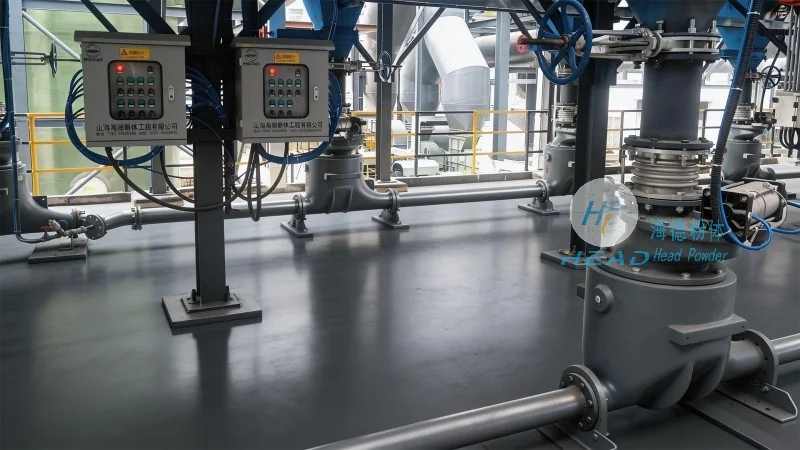
The design of a positive pressure pneumatic conveying system is built on several key principles to ensure optimal performance and material handling. First, the system operates by creating a pressure differential between the material source and the discharge point. Compressed air is introduced into the material hopper or feeder, where it mixes with the material and forms a dense, fluidized mixture known as a "conveying stream." This stream is then propelled through the pipeline to the receiving vessel or processing unit. The pressure maintained in the system is critical; it must be sufficient to overcome the resistance from the pipeline, fittings, and any bends or changes in direction, while also ensuring the material is transported at the desired velocity without degradation or clogging.
Several essential components make up a positive pressure pneumatic conveying system. The air compressor is the heart of the system, providing the necessary compressed air. The material feeder or hopper is where the bulk material is stored and introduced into the system. The conveying line consists of pipes that transport the material, often made of materials like stainless steel to prevent corrosion and material contamination. Control valves and regulators are used to manage the air pressure and flow rate, ensuring consistent performance. The discharge valve or receiver is where the material is collected after transport. Each component must be carefully selected and integrated to work in harmony, as any inefficiency in one part can affect the entire system's performance.
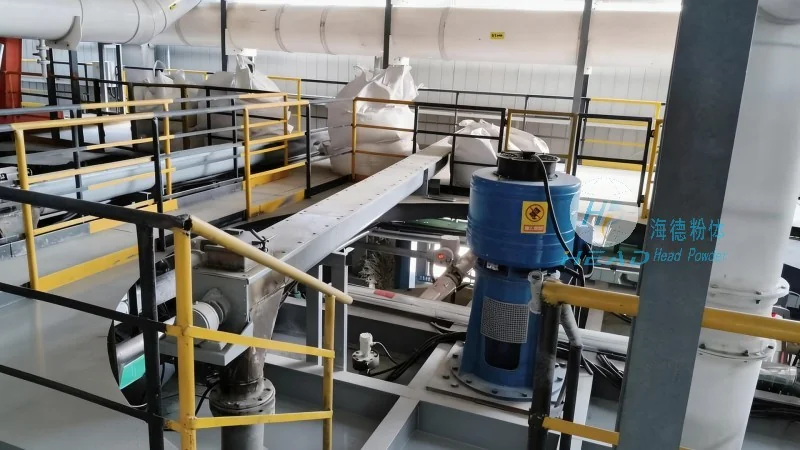
Positive pressure pneumatic conveying systems offer several advantages over other material handling methods. One of the primary benefits is their ability to handle a wide variety of materials, including those that are difficult to transport by traditional means like gravity or mechanical conveyors. The system can transport materials over long distances and at high speeds, making it suitable for large-scale industrial applications. Additionally, positive pressure systems are relatively simple to install and maintain, with fewer moving parts compared to mechanical systems. They also provide better control over material flow, reducing the risk of spillage or contamination. For industries that require high hygiene standards, such as pharmaceuticals and food processing, positive pressure systems can be designed with stainless steel components and sealed connections to meet stringent regulatory requirements.
The versatility of positive pressure pneumatic conveying systems makes them applicable across multiple industries. In the pharmaceutical industry, these systems are used to transport active pharmaceutical ingredients (APIs) and other powders with high purity requirements. The enclosed design prevents contamination and ensures product integrity. In the food processing industry, they handle ingredients like flour, sugar, and spices, maintaining food safety standards. The chemical industry uses them to transport powders and granules, especially those that are corrosive or reactive. The mining and mineral processing sectors also benefit from these systems for transporting raw materials and finished products. Each application may require specific modifications to the system, such as different materials for the conveying line or specialized control systems, but the core principles remain consistent.
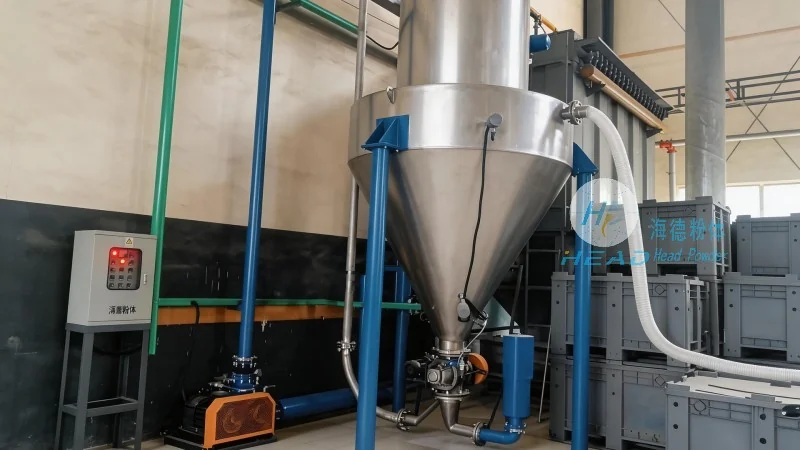
Designing an effective positive pressure pneumatic conveying system involves careful consideration of several factors. The first is the material characteristics, including particle size, density, and flowability. These properties determine the required air velocity and pressure to ensure efficient transport. The pipeline layout is another critical factor, as the length, diameter, and number of bends affect the pressure drop and overall system efficiency. The system pressure must be calculated based on the pipeline resistance and the desired material velocity. Additionally, energy efficiency is a key consideration, as high-pressure systems can consume significant energy. Engineers often use computational fluid dynamics (CFD) simulations to model the system and optimize the design before implementation. This approach helps in reducing energy consumption and improving the overall performance of the conveying system.
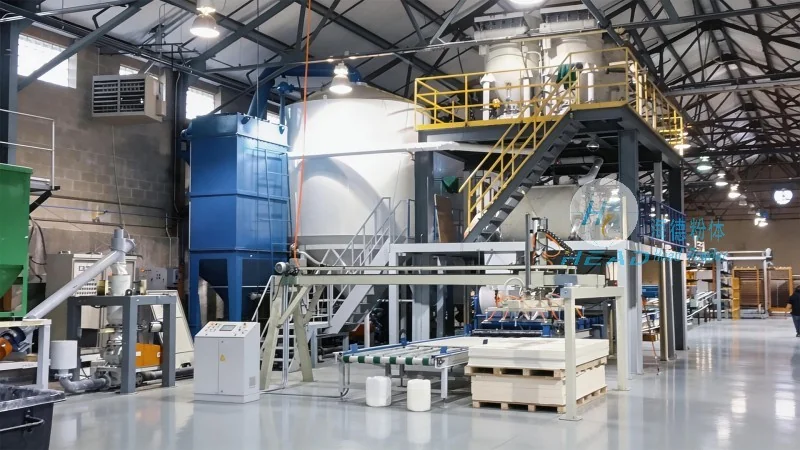
Regular maintenance is essential to ensure the longevity and efficiency of a positive pressure pneumatic conveying system. Common maintenance tasks include checking and replacing air filters to prevent dust from entering the compressor, inspecting the material feeder for blockages or wear, and cleaning the conveying line to remove accumulated material. The air compressor should be checked for proper lubrication and cooling to prevent overheating. If the system experiences issues such as reduced material flow or increased pressure drop, troubleshooting steps may include checking for clogs in the pipeline or fittings, verifying the air pressure, and inspecting the material feeder for blockages. In some cases, the system may need to be cleaned or the conveying line replaced to restore optimal performance. Proper maintenance not only extends the lifespan of the equipment but also ensures consistent material handling and reduces downtime.
Positive pressure pneumatic material conveying lines are a vital component in modern industrial operations, offering efficient and reliable transport of bulk materials. The design principles, which focus on pressure generation, material-air mixing, and pipeline control, enable these systems to handle a wide range of materials with precision and speed. Companies like Shandong HeadPowder Engineering Co., Ltd., based in China, specialize in designing and manufacturing such systems tailored to the specific needs of various industries. By understanding the core components and design considerations, industries can leverage the benefits of positive pressure conveying to enhance their material handling processes and improve overall operational efficiency.

 Shandong Headpowder Engineering Co., Ltd.
 156-6277-7102(Manager Zhang)
  0531-83386006
  Zhangqiu District, Jinan City, Shandong Province, China
telephone
WeChatconsult
top