

What is Polypropylene Resin Powder Material Handling Equipment? What are the Design Principles?
When it comes to efficiently transporting polypropylene resin powder, specialized equipment is essential for maintaining product integrity and operational efficiency. This article explores the key aspects of polypropylene resin powder material handling equipment, focusing on its design principles and practical applications in industrial settings.
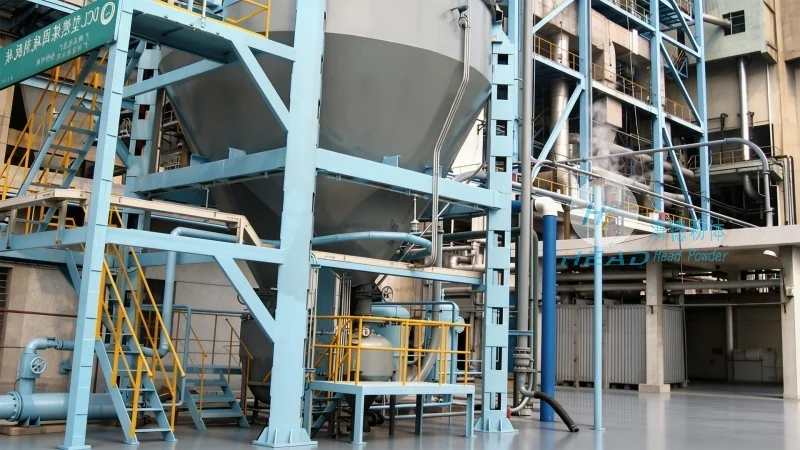
Polypropylene Resin Powder Material Handling Equipment Overview
Polypropylene resin powder is a widely used thermoplastic polymer in various industries, including packaging, automotive, and textiles. The effective handling of this fine powder requires equipment that can manage its flow characteristics, prevent caking, and ensure consistent material transfer. Polypropylene resin powder material handling equipment is engineered to address these challenges, providing reliable solutions for bulk material transport.
Design Principles for Polypropylene Resin Powder Handling Systems
The design of polypropylene resin powder material handling equipment is guided by several critical principles to ensure optimal performance. First, the equipment must accommodate the unique flow properties of polypropylene resin powder, which can be cohesive or free-flowing depending on moisture content and particle size. This involves using materials that are resistant to chemical corrosion and wear, as polypropylene can be abrasive over time. Second, the system must minimize the risk of material degradation or contamination. This includes incorporating sealed components, proper ventilation, and filtration to maintain the purity of the resin powder.
Third, the design prioritizes energy efficiency and operational simplicity. Components such as rotary valves, screw conveyors, and pneumatic conveying systems are commonly used to achieve smooth material transfer with minimal maintenance. The selection of these components depends on factors like the required throughput, the distance of material transport, and the specific characteristics of the polypropylene resin powder being handled. For instance, rotary valves are ideal for controlling the flow rate and preventing backflow, while screw conveyors provide gentle, continuous transport without causing particle breakage.
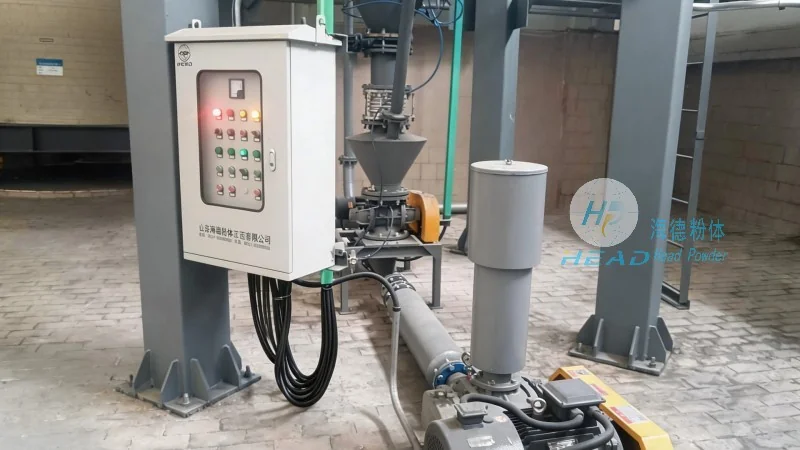
Key Components and Their Functions in Polypropylene Resin Powder Handling Equipment
Several key components make up a typical polypropylene resin powder material handling system. The hopper or storage bin is the initial point of material containment, designed to hold large quantities of resin powder while allowing for uniform discharge. The hopper is often equipped with a discharge valve, such as a rotary airlock or a gate valve, to regulate the flow of material into the conveyor system. A screw conveyor or a pneumatic conveyor then transports the powder from the hopper to the processing or packaging area. The conveyor system must be designed to handle the specific bulk density and flowability of polypropylene resin powder, ensuring that the material moves smoothly without clogging or bridging.
For applications requiring longer transport distances or higher efficiency, pneumatic conveying systems are often preferred. These systems use air pressure to move the resin powder through a pipeline, which can be more energy-efficient for long-distance transport compared to mechanical conveyors. However, the design of pneumatic systems must consider factors like air velocity, particle size, and moisture content to prevent material degradation or system blockages. Additionally, filtration and separation equipment may be included to remove any contaminants or moisture from the resin powder before it reaches the processing stage.
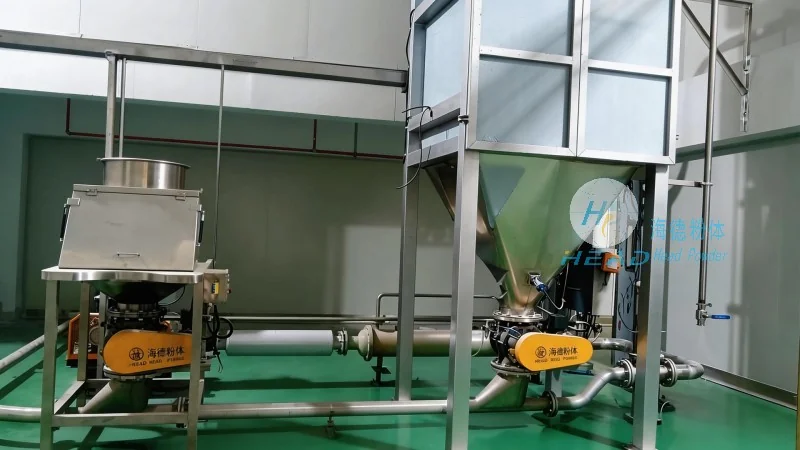
Applications and Benefits of Polypropylene Resin Powder Handling Equipment
Polypropylene resin powder material handling equipment is widely used in various industrial processes, from manufacturing to packaging. In the plastics industry, these systems are crucial for feeding resin powder into extruders, injection molding machines, and other processing equipment. The consistent and reliable supply of polypropylene resin powder ensures that production lines run smoothly, reducing downtime and improving product quality. In the packaging industry, the equipment is used to fill resin powder into containers or bags, ensuring accurate dosing and preventing product loss.
The benefits of using specialized polypropylene resin powder handling equipment extend beyond operational efficiency. By maintaining the purity and integrity of the resin powder, manufacturers can produce higher-quality products with consistent properties. Additionally, the equipment reduces the risk of dust exposure and material waste, contributing to a safer and more sustainable industrial environment. The design principles discussed above, such as material compatibility and flow control, directly impact these benefits, making the equipment a critical investment for companies dealing with polypropylene resin powder.
Conclusion
Polypropylene resin powder material handling equipment is a vital component in modern industrial operations, designed to address the unique challenges of transporting fine, cohesive materials. The design principles, including material compatibility, flow control, and energy efficiency, ensure that these systems provide reliable, efficient, and safe material transfer. Companies like Shandong HeadPowder Engineering Co., Ltd. specialize in developing and manufacturing such equipment, leveraging years of experience to meet the diverse needs of the polypropylene resin powder industry. By understanding the design principles and key components of these systems, manufacturers can optimize their operations and enhance product quality.