With more than 10‑year industry experience, Shandong Headpowder delivers full‑service pneumatic‑conveying systems and blowers, undertaking nationwide turn‑key powder‑handling projects.
HeadPowder, a leading engineering firm based in Shandong, China, specializes in the design, manufacturing, and implementation of advanced pneumatic conveying systems for bulk materials. This article provides a detailed exploration of the operational process and underlying principles of salt powder pneumatic conveying, a critical technology in the food and chemical industries.
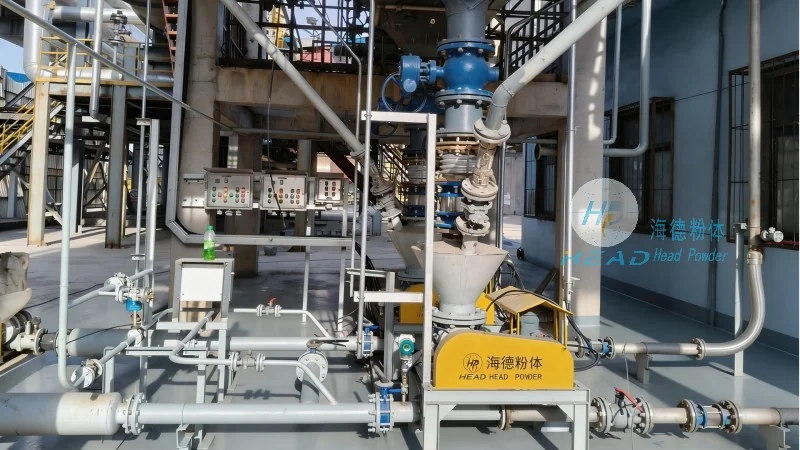
Salt powder pneumatic conveying is a method of transporting dry, granular materials like salt through a pipeline using a pressurized air or gas stream. Unlike traditional mechanical conveying systems, which rely on screws, belts, or buckets, pneumatic systems use air pressure to move materials, offering advantages such as reduced equipment wear, lower maintenance costs, and the ability to handle materials in a closed system, minimizing dust and contamination. HeadPowder’s expertise in this field ensures that their systems are tailored to meet the specific needs of salt processing facilities, ensuring efficiency and reliability.
A typical salt powder pneumatic conveying system consists of several core components that work in tandem to achieve effective material transport. These include a hopper or feeder for material storage and controlled discharge, a conveying line (usually made of stainless steel to prevent corrosion), a blower or compressor to generate the necessary air pressure, a filter or cyclone to separate the material from the air stream, and a discharge device at the receiving end. Each component plays a crucial role in maintaining the system’s performance and ensuring the safe handling of salt powder.
The operation of a salt powder pneumatic conveying system for salt follows a systematic sequence. First, the salt powder is fed from the storage hopper into the conveying line via a feeder. Simultaneously, the blower generates a high-pressure air stream that travels through the pipeline. The air stream then picks up the salt particles, creating a slurry-like mixture known as a "conveyed stream." This mixture travels through the pipeline to the receiving hopper or processing unit. At the receiving end, a cyclone or filter separates the salt from the air, allowing the air to be recirculated or discharged, while the salt is collected for further processing. The entire process is typically automated, with sensors and controls monitoring pressure, flow rates, and material levels to maintain optimal performance.
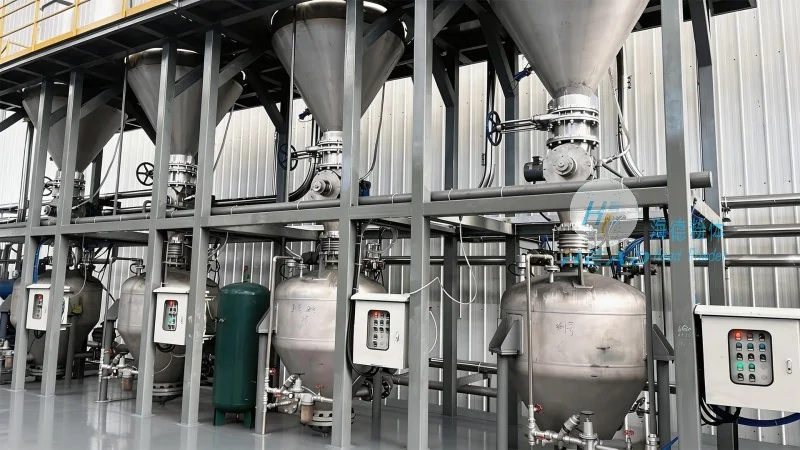
The effectiveness of salt powder pneumatic conveying is rooted in fundamental principles of fluid dynamics and particle transport. The primary mechanism is the creation of a "slug" or "dense phase" flow, where the salt particles are suspended in the air stream at a high concentration. This dense phase flow minimizes particle separation and reduces the risk of clogging or blockages in the pipeline. The air pressure generated by the blower is carefully controlled to ensure that the salt particles are carried at a consistent velocity, preventing deposition or settling. Additionally, the system’s design considers factors such as particle size, density, and moisture content of the salt, as these variables can impact the conveying efficiency and system performance. HeadPowder’s engineers utilize advanced computational fluid dynamics (CFD) and material testing to optimize system parameters, ensuring that the conveying process is both efficient and cost-effective.
Implementing a pneumatic conveying system for salt offers numerous benefits that enhance operational efficiency and product quality. One of the most significant advantages is the reduction in dust generation, as the system operates in a closed environment, preventing contamination of the salt and minimizing environmental impact. This is particularly important in food processing applications, where product purity is paramount. Additionally, pneumatic systems reduce the need for manual handling, improving workplace safety and reducing labor costs. The closed system also helps maintain consistent material quality by preventing exposure to moisture or contaminants from the air. Furthermore, the flexibility of pneumatic conveying allows for easy integration with existing processing lines, enabling seamless material transfer between different stages of production. HeadPowder’s systems are designed to maximize these advantages, providing customers with a reliable and efficient solution for their salt handling needs.
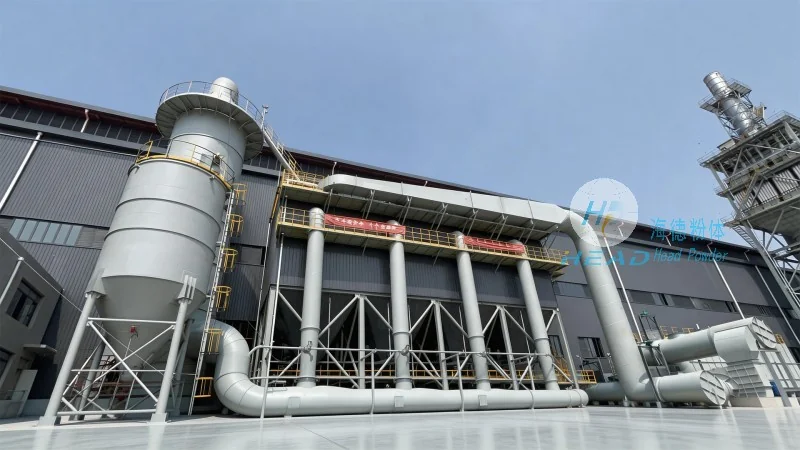
Salt powder pneumatic conveying is widely used in various applications within the salt industry, including bulk storage and transportation, processing, and packaging. In bulk storage facilities, the system efficiently transfers salt from storage silos to processing units, ensuring a continuous supply of material. During processing, the system can transport salt to mixing or grinding equipment, where it is combined with other ingredients to produce salt products like table salt, de-icing salt, or industrial chemicals. In packaging operations, the system delivers salt to filling machines, ensuring accurate and consistent filling of containers. HeadPowder’s expertise in customizing pneumatic conveying systems allows them to address the specific requirements of each application, whether it involves high-volume transport or precise dosing.
To ensure the long-term reliability of a salt powder pneumatic conveying system, regular maintenance is essential. HeadPowder recommends routine checks of the blower and compressor to maintain optimal air pressure, inspection of the conveying line for signs of wear or corrosion, and cleaning of the filter or cyclone to prevent clogging. Additionally, monitoring the system’s performance parameters, such as pressure drop and flow rate, can help identify potential issues before they escalate. Common troubleshooting steps include checking for blockages in the pipeline, ensuring proper material feeding, and verifying the air pressure settings. By following these maintenance practices, customers can extend the lifespan of their system and minimize downtime, ensuring consistent and efficient salt handling.
Salt powder pneumatic conveying is a sophisticated and efficient technology that plays a vital role in the salt industry. Through the integration of advanced engineering principles and tailored system design, HeadPowder provides reliable solutions that enhance operational efficiency, improve product quality, and reduce costs. By understanding the operational process and working principles of this technology, businesses can make informed decisions about implementing pneumatic conveying systems, ultimately optimizing their salt handling processes and achieving their production goals.

 Shandong Headpowder Engineering Co., Ltd.
 156-6277-7102(Manager Zhang)
  0531-83386006
  Zhangqiu District, Jinan City, Shandong Province, China
telephone
WeChatconsult
top