

What is a Calcium Carbonate Material Handling System? What Are Its Design Principles?
Calcium carbonate, a widely used industrial material, requires efficient and reliable handling systems to ensure smooth production processes. The design of such systems is critical to optimizing performance, safety, and operational efficiency. This article explores the key components and design principles of calcium carbonate material handling systems, providing insights into how they are engineered to meet industry demands.
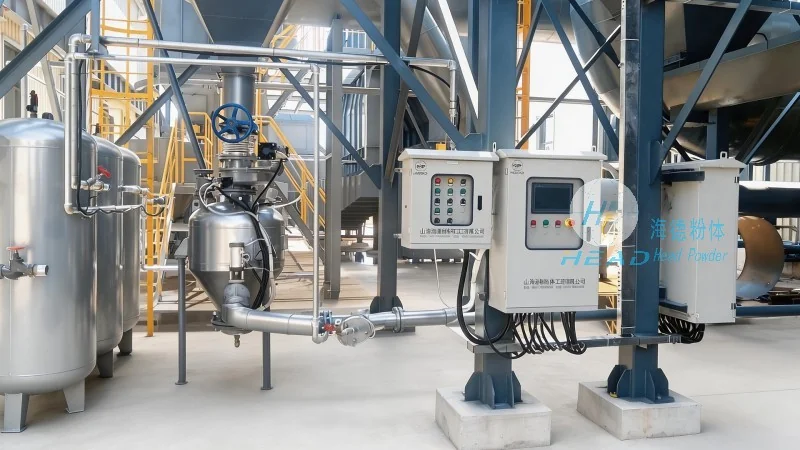
Key Components of Calcium Carbonate Material Handling Systems
Effective calcium carbonate material handling systems typically consist of several interconnected components that work together to transport, store, and process the material. These components include feeders, conveyors, storage silos, and control systems. Each component plays a vital role in maintaining the integrity of the material and ensuring consistent flow throughout the process.
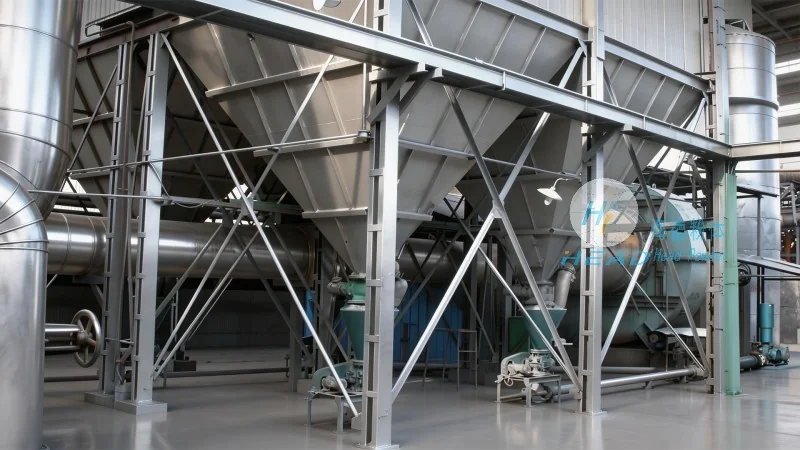
Design Principles for Calcium Carbonate Material Handling
The design of calcium carbonate material handling systems is guided by several fundamental principles aimed at maximizing efficiency and minimizing operational risks. These principles include material flow optimization, equipment durability, and safety considerations. Engineers focus on selecting appropriate equipment based on the specific characteristics of calcium carbonate, such as its particle size, density, and flow properties.
About Shandong HeadPowder Engineering Co., Ltd.
Shandong HeadPowder Engineering Co., Ltd., commonly known as HeadPowder, is a leading provider of specialized material handling solutions. With a strong focus on innovation and quality, the company has established itself as a trusted partner in the calcium carbonate industry. HeadPowder's expertise lies in designing and manufacturing systems tailored to the unique needs of clients, ensuring reliable and efficient material handling processes.
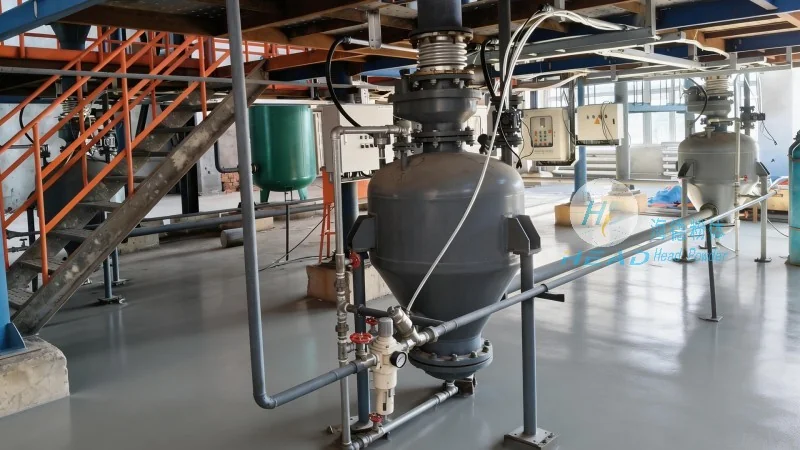
Benefits of Properly Designed Calcium Carbonate Handling Systems
Well-designed calcium carbonate material handling systems offer numerous benefits to industrial operations. These include improved production throughput, reduced downtime, and enhanced safety for personnel. By optimizing material flow and minimizing the risk of blockages or spills, these systems contribute to overall operational efficiency and cost savings. The durability of the equipment, particularly in handling abrasive materials like calcium carbonate, is also a key factor in long-term performance.