With more than 10‑year industry experience, Shandong Headpowder delivers full‑service pneumatic‑conveying systems and blowers, undertaking nationwide turn‑key powder‑handling projects.
Heavy calcium material conveying systems are essential components in various industrial applications, particularly in the processing and handling of calcium carbonate materials. These systems are designed to efficiently transport heavy calcium powder or granules from one location to another within a production facility. The operation and working principles of such systems are crucial for ensuring smooth production workflows and maintaining product quality. This article provides a detailed overview of the operation process and working principles of heavy calcium material conveying systems, with a focus on the technical aspects and operational efficiency.
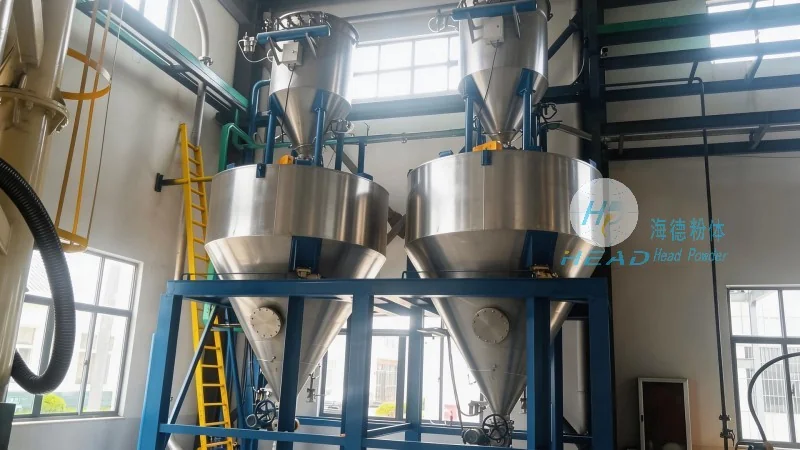
Heavy calcium material conveying systems typically consist of several key components that work in tandem to achieve efficient material transport. The primary components include hoppers for material storage, conveyor belts or screw conveyors for horizontal transport, vertical lift mechanisms such as bucket elevators or pneumatic conveyors for vertical movement, and control systems for monitoring and regulating the conveying process. Each component plays a vital role in the overall functionality of the system, ensuring that heavy calcium materials are moved safely and efficiently from the source to the destination.
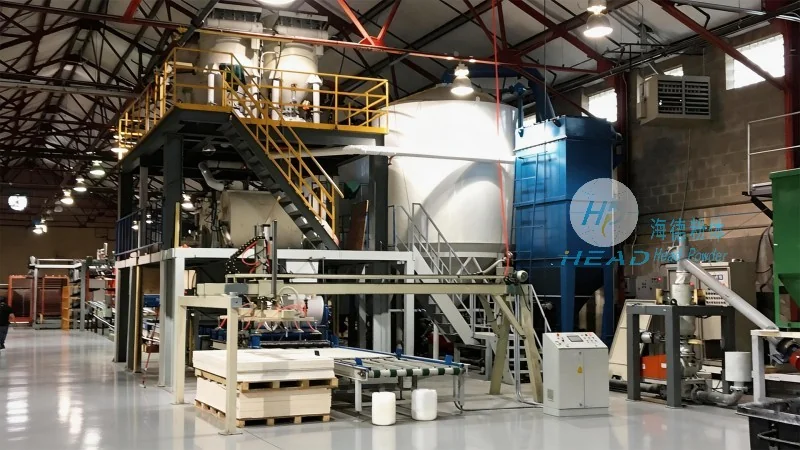
The operation process of a heavy calcium material conveying system begins with the loading of raw materials into the hopper. The hopper is designed to hold a sufficient quantity of heavy calcium material, allowing for continuous feeding into the conveying system. Once the material is loaded, the control system activates the conveyor mechanism. For horizontal transport, a belt conveyor or screw conveyor moves the material along the designated path. For vertical transport, a bucket elevator or pneumatic conveyor lifts the material to the required height. The system may also include intermediate storage bins or surge hoppers to regulate the flow of material and prevent overloading or underloading of the conveyor. The control system continuously monitors the pressure, flow rate, and temperature of the material to ensure optimal operation and prevent any potential issues such as blockages or material degradation.
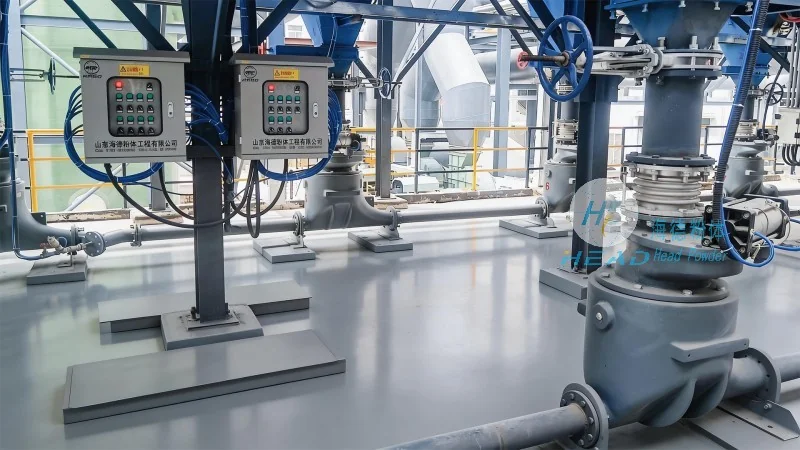
The working principle of heavy calcium material conveying systems is based on the mechanical or pneumatic movement of materials. In mechanical systems, such as belt conveyors or screw conveyors, the material is moved by the rotation of a conveyor belt or screw, which creates a frictional force to pull the material along the path. Vertical lift mechanisms, like bucket elevators, use buckets attached to a rotating drum to lift the material vertically. Pneumatic conveyors, on the other hand, use compressed air to create a flow of air that carries the material particles through a pipeline. The choice of system depends on factors such as the material characteristics, distance to be covered, and the required flow rate. Heavy calcium materials, being relatively dense and abrasive, often require robust and durable components to withstand the mechanical stress and prevent wear and tear.
Efficiency is a critical factor in the operation of heavy calcium material conveying systems. Proper maintenance and regular inspections are essential to ensure that the system operates at optimal performance levels. Common maintenance tasks include cleaning the conveyor belts or screw surfaces to prevent material buildup, lubricating moving parts to reduce friction, and checking the integrity of the hopper and pipeline for any signs of wear or damage. Regular calibration of the control system is also necessary to maintain accurate flow rates and pressure levels. By implementing a proactive maintenance schedule, companies can minimize downtime, reduce operational costs, and extend the lifespan of their conveying systems. Additionally, using high-quality materials and components designed specifically for heavy calcium applications can further enhance the efficiency and reliability of the system.
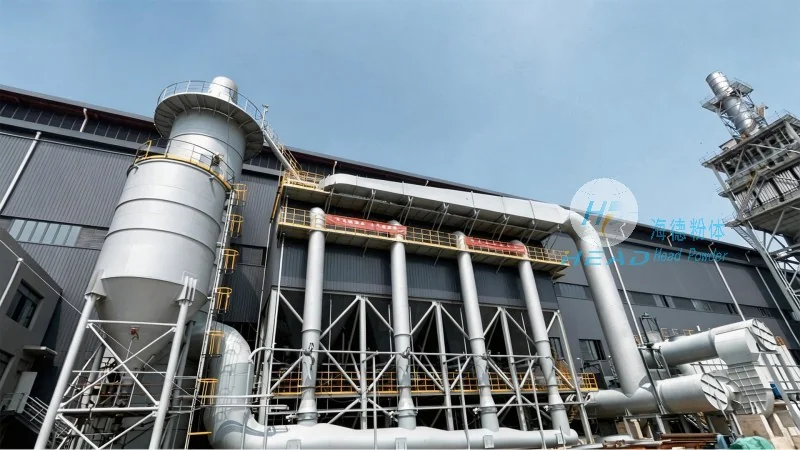
Heavy calcium material conveying systems are widely used in various industries, including the chemical, pharmaceutical, food, and construction sectors. In the chemical industry, these systems are used to transport calcium carbonate powders for the production of coatings, plastics, and other chemical products. In the pharmaceutical industry, they are employed to handle calcium carbonate as a raw material for drug formulations and supplements. The food industry utilizes these systems for the processing of calcium carbonate in food products, while the construction industry uses them to transport calcium carbonate for cement and concrete production. The versatility and efficiency of heavy calcium material conveying systems make them indispensable in these and other industrial applications.

 Shandong Headpowder Engineering Co., Ltd.
 156-6277-7102(Manager Zhang)
  0531-83386006
  Zhangqiu District, Jinan City, Shandong Province, China
telephone
WeChatconsult
top