With more than 10‑year industry experience, Shandong Headpowder delivers full‑service pneumatic‑conveying systems and blowers, undertaking nationwide turn‑key powder‑handling projects.
Your current position:首页 >> News >> Insights

What is a Polyethylene Material Handling System? What Are Its Design Principles?

Release time:2026-09-15 01:03:31
name of the company:Shandong Headpowder Engineering Co., Ltd.
telephone:156-6277-7102
contacts:Manager Zhang

Efficient material handling is a critical component of modern industrial operations, and specialized systems designed for specific materials like polyethylene (or polystyrene) play a pivotal role in optimizing workflow and ensuring product integrity. This article explores the fundamental aspects of a polyethylene material handling system, delving into its design principles and the key factors that contribute to its effectiveness in various industrial applications.
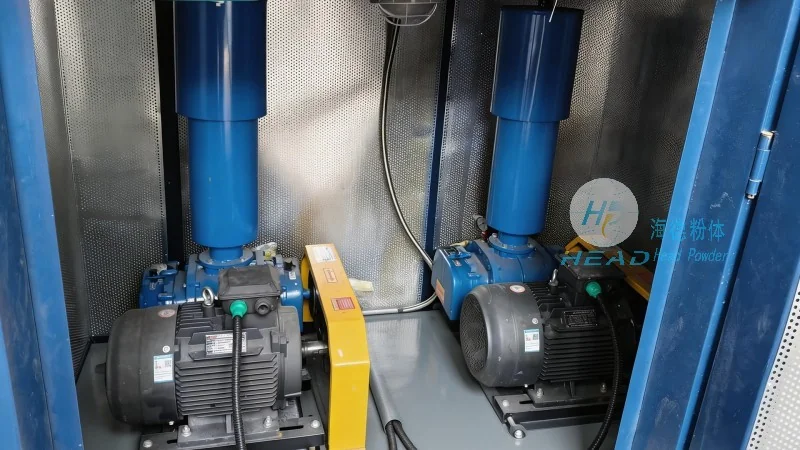
What is a Polyethylene Material Handling System? What Are Its Design Principles?

Understanding Polyethylene Material Handling Systems

A polyethylene material handling system is a specialized piece of equipment or a combination of components engineered to transport, store, and manage polyethylene materials—such as pellets, granules, or bulk powders—throughout a production or processing facility. These systems are essential for industries that rely on polyethylene, including plastics manufacturing, packaging, and chemical processing. The primary goal of such a system is to enhance operational efficiency, reduce labor costs, and minimize the risk of material damage or contamination.

Key Design Principles for Polyethylene Material Handling Systems

The design of a polyethylene material handling system is guided by several critical principles that ensure its functionality, durability, and compatibility with the material being handled. These principles include:
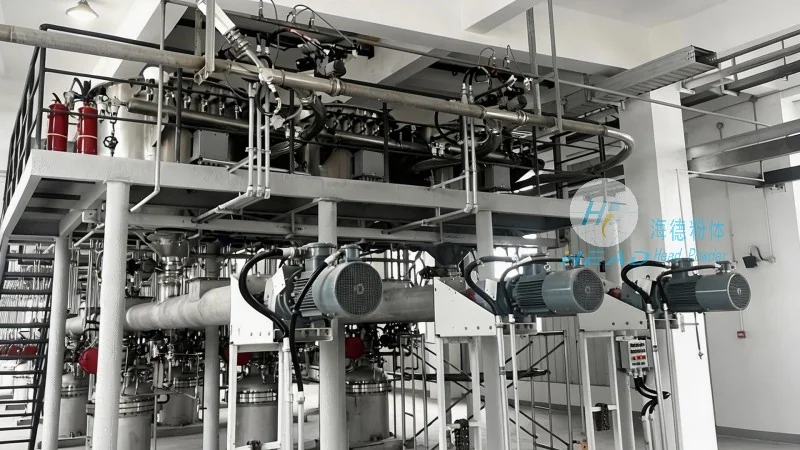
What is a Polyethylene Material Handling System? What Are Its Design Principles?

  • Material Compatibility: The system must be constructed from materials that are resistant to polyethylene and do not react with or degrade the material. Common materials for system components include stainless steel, food-grade plastics, and specialized coatings that prevent adhesion and corrosion.
  • Flow Optimization: Proper design ensures smooth material flow, minimizing the risk of clogging or blockages. This involves selecting appropriate conveyor types (e.g., screw conveyors, belt conveyors, or pneumatic systems) and configuring them to match the material's bulk density and flow characteristics.
  • Control and Automation: Modern systems often incorporate control systems and automation to enhance precision and reduce human error. This may include sensors for level monitoring, speed control, and feedback mechanisms to adjust flow rates in real-time.
  • Space Efficiency: Industrial spaces are often limited, so the design must prioritize compactness without compromising functionality. This may involve modular components that can be configured to fit specific facility layouts.
  • Safety and Maintenance: The system must adhere to safety standards to protect operators and prevent accidents. Additionally, easy access for maintenance and cleaning is crucial to ensure long-term reliability and reduce downtime.

Components of a Typical Polyethylene Material Handling System

A polyethylene material handling system typically consists of several interconnected components, each serving a specific function in the material flow process. These components may include:

  1. Feeders: Devices that regulate the flow of polyethylene material from a storage bin or hopper into the conveyor system. Feeders can be gravity-fed, vibratory, or screw-driven, depending on the material's characteristics.
  2. Conveyors: The core of the system, conveyors transport polyethylene material from one location to another. Common types include belt conveyors for bulk material, screw conveyors for vertical or horizontal transport, and pneumatic conveyors for fine powders.
  3. Storage Bins/Hoppers: These containers hold the polyethylene material before it is fed into the conveyor system. They are designed to prevent material degradation and ensure consistent flow.
  4. Level Sensors: Sensors that monitor the material level in the storage bins, providing feedback to the feeder and conveyor systems to maintain optimal flow rates.
  5. Control Panels: Centralized units that manage the operation of all system components, allowing for manual or automated control of the entire process.

Applications and Benefits of Polyethylene Material Handling Systems

Polyethylene material handling systems are widely used in various industries due to their versatility and efficiency. Some common applications include:
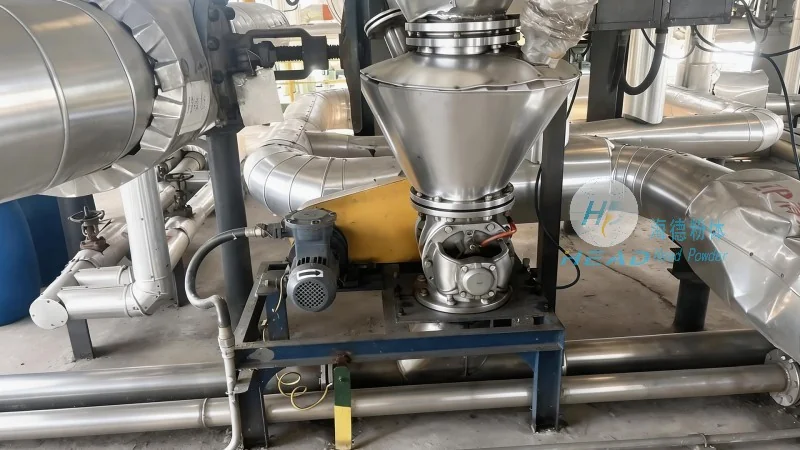
What is a Polyethylene Material Handling System? What Are Its Design Principles?

  • Plastics Manufacturing: In the production of polyethylene-based products, such as bottles, containers, and films, these systems ensure a steady supply of raw material to the extrusion or molding machines.
  • Packaging Industry: For packaging manufacturers, the systems help in transporting polyethylene resin to the production lines, improving the speed and consistency of packaging production.
  • Chemical Processing: In chemical plants, polyethylene material handling systems are used to transport and store polyethylene intermediates, ensuring safe and efficient processing.

The benefits of implementing such a system extend beyond operational efficiency. By reducing material handling time and labor costs, companies can improve their overall productivity. Additionally, the use of automated systems minimizes the risk of human error, leading to higher product quality and consistency. Furthermore, the design of these systems often incorporates features that enhance safety, such as enclosed conveyor systems and emergency stop buttons, protecting both operators and the material from damage.
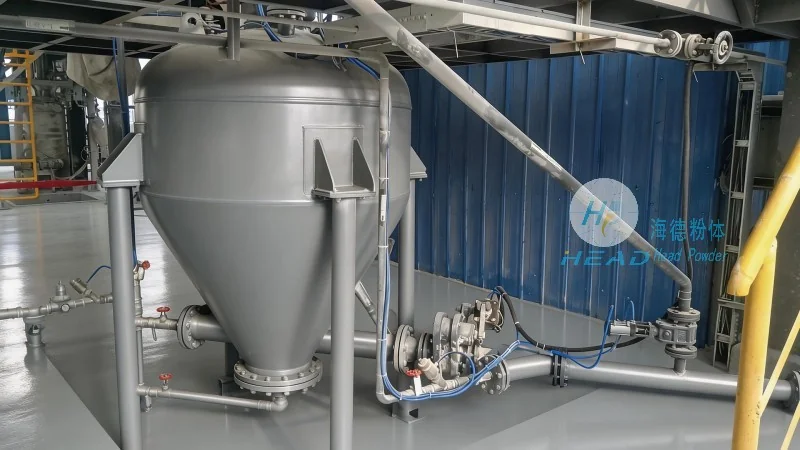
What is a Polyethylene Material Handling System? What Are Its Design Principles?

Customization and Solutions by Shandong HeadPowder Engineering Co., Ltd.

Shandong HeadPowder Engineering Co., Ltd., a leading provider of industrial material handling solutions, specializes in designing and manufacturing polyethylene material handling systems tailored to the specific needs of their clients. With a deep understanding of polyethylene properties and industrial requirements, HeadPowder engineers develop customized solutions that address the unique challenges faced by each industry.

HeadPowder's approach to system design emphasizes the integration of advanced technology with practical application. The company's engineers work closely with clients to assess their operational needs, material characteristics, and facility constraints, ensuring that the final system is both efficient and cost-effective. Whether a client requires a simple conveyor system or a complex, fully automated material handling solution, HeadPowder offers comprehensive support from design and manufacturing to installation and maintenance.

recommend

Copyright © Shandong Headpowder Engineering Co., Ltd.    营业执照公示 网站地图

top
