With more than 10‑year industry experience, Shandong Headpowder delivers full‑service pneumatic‑conveying systems and blowers, undertaking nationwide turn‑key powder‑handling projects.
For industrial applications that require the efficient and reliable transport of dry pebble powders, specialized equipment is essential. This article explores the concept of dry pebble powder conveying equipment, detailing its design principles and operational characteristics. By understanding these elements, users can better evaluate the suitability of such systems for their specific material handling needs, particularly for companies like Shandong HeadPowder Engineering Co., Ltd., which specializes in providing high-quality conveying solutions.
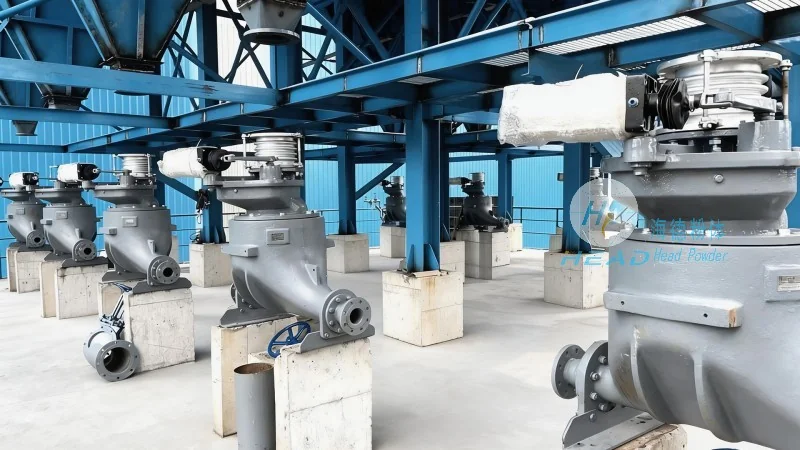
Dry pebble powder conveying equipment is a type of machinery designed to transport dry, granular materials like pebbles or powders without the use of water or other liquids. These systems are commonly used in industries such as mining, construction, and chemical processing, where the movement of bulk materials is critical to production efficiency. The equipment operates by utilizing mechanical forces, typically through screw conveyors, pneumatic systems, or belt conveyors, to move the dry pebbles from one location to another. As a leading provider in the field, Shandong HeadPowder Engineering Co., Ltd. has developed advanced systems tailored to meet the diverse needs of its clients.
The design of dry pebble powder conveying equipment is guided by several key principles aimed at ensuring optimal performance, durability, and efficiency. These principles include material compatibility, which ensures that the equipment components can withstand the abrasive nature of pebbles and powders. Additionally, the design emphasizes low friction and wear resistance to minimize maintenance requirements and extend the equipment's service life. Another critical principle is the ability to handle varying particle sizes and densities, allowing the system to accommodate different types of dry pebbles without compromising throughput. The engineering team at Shandong HeadPowder Engineering Co., Ltd. applies these principles to create robust and reliable equipment for its customers.
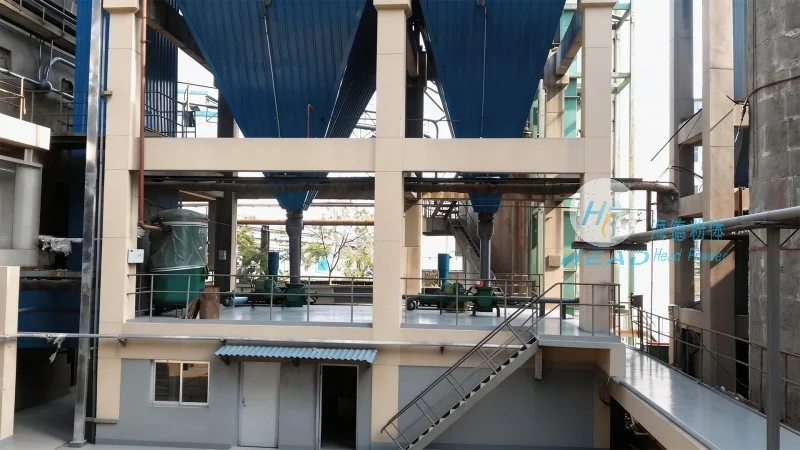
Typical dry pebble powder conveying equipment consists of several key components, each playing a vital role in the overall system. The primary components include a hopper for material storage, a conveyor mechanism (such as a screw or pneumatic tube), and a discharge outlet. The hopper is designed to hold the dry pebbles and provide a controlled feed to the conveyor. The conveyor mechanism, often a screw conveyor, rotates to push the material forward, while pneumatic systems use compressed air to create a flow of particles through a tube. The discharge outlet then releases the material at the desired location. The company's expertise in material handling ensures that each component is optimized for the specific characteristics of the pebble powders being transported.
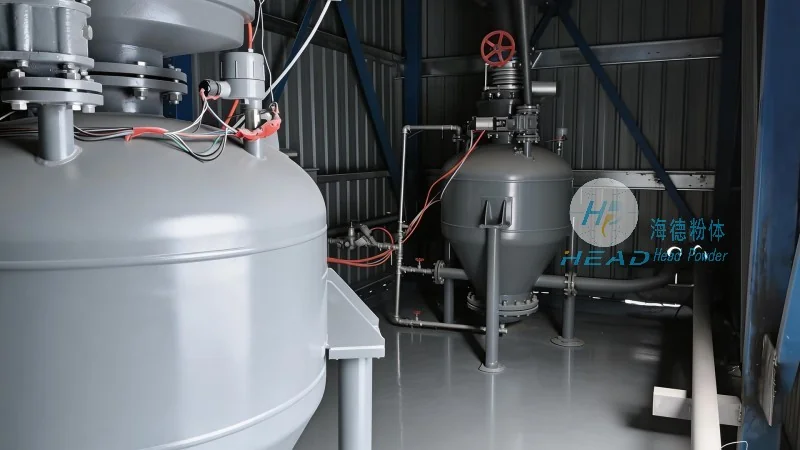
Implementing dry pebble powder conveying equipment offers several advantages for industrial operations. One of the main benefits is the ability to maintain the dryness of the material, which is crucial for processes that require consistent moisture levels. This is particularly important in applications like food processing or pharmaceutical manufacturing, where moisture control is essential. Additionally, these systems are generally more energy-efficient compared to wet conveying methods, as they do not require additional water or energy for material wetting. Furthermore, the equipment is often more compact and easier to integrate into existing production lines, reducing installation costs and space requirements. Shandong HeadPowder Engineering Co., Ltd. has witnessed these benefits firsthand in its projects across China and beyond.
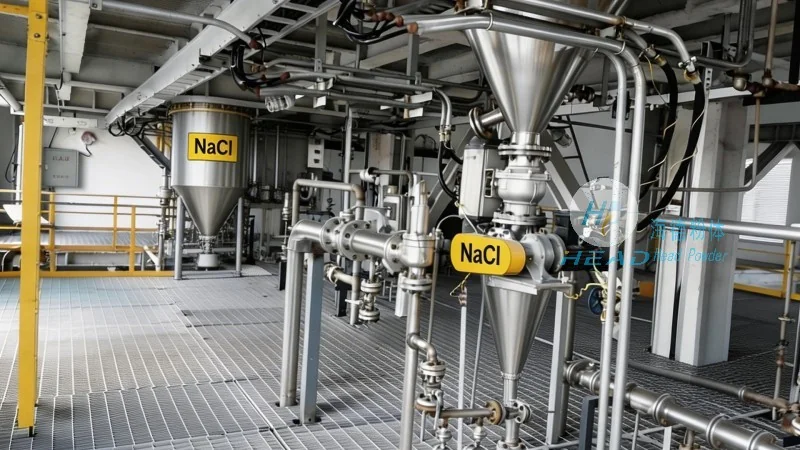
When selecting dry pebble powder conveying equipment, several factors should be considered to ensure the best fit for a specific application. The first consideration is the material characteristics, including particle size, density, and abrasiveness. These factors will determine the appropriate conveyor type and component materials. Another important factor is the required throughput capacity, which influences the size and speed of the conveyor. Additionally, the system's durability and maintenance requirements should be evaluated, as equipment with longer service intervals and lower maintenance costs are often preferred. Finally, the overall cost of the equipment, including installation and operational expenses, should be considered to ensure it aligns with the budget and long-term operational goals. Shandong HeadPowder Engineering Co., Ltd. provides comprehensive guidance to clients on these considerations, helping them choose the most suitable equipment for their needs.
Dry pebble powder conveying equipment is a vital component in industries that rely on the efficient transport of dry, granular materials. By adhering to key design principles such as material compatibility, low friction, and adaptability, these systems provide reliable and efficient performance. The components and operational mechanisms of the equipment are carefully engineered to handle the unique challenges of pebble and powder transport, offering advantages like moisture control and energy efficiency. When selecting the right equipment, factors such as material characteristics, throughput, durability, and cost should be carefully evaluated to ensure optimal performance and long-term success. For businesses in need of such equipment, understanding these aspects will help in making informed decisions that enhance operational efficiency and productivity. Shandong HeadPowder Engineering Co., Ltd. remains committed to delivering innovative and reliable conveying solutions to meet the evolving demands of its clients in China and worldwide.

 Shandong Headpowder Engineering Co., Ltd.
 156-6277-7102(Manager Zhang)
  0531-83386006
  Zhangqiu District, Jinan City, Shandong Province, China
telephone
WeChatconsult
top