With more than 10‑year industry experience, Shandong Headpowder delivers full‑service pneumatic‑conveying systems and blowers, undertaking nationwide turn‑key powder‑handling projects.
PP pellet pneumatic conveying systems are industrial equipment designed to transport polypropylene (PP) pellets from one location to another using air as the conveying medium. These systems are widely used in various industries, including plastics manufacturing, chemical processing, and food processing, due to their efficiency and ability to handle bulk materials without the need for mechanical components like belts or screws. The technology relies on the principle of air flow to move the pellets through a pipeline, creating a mixture of air and material that is propelled to the destination. This method offers advantages such as reduced material handling time, lower risk of contamination, and the ability to transport materials over long distances with minimal equipment.
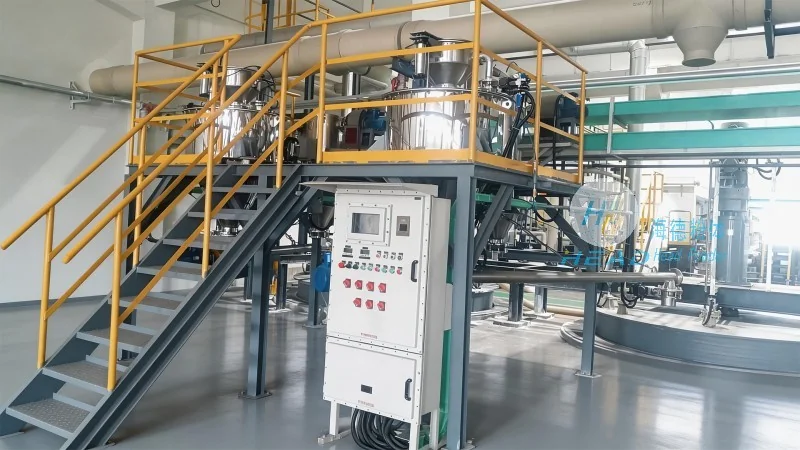
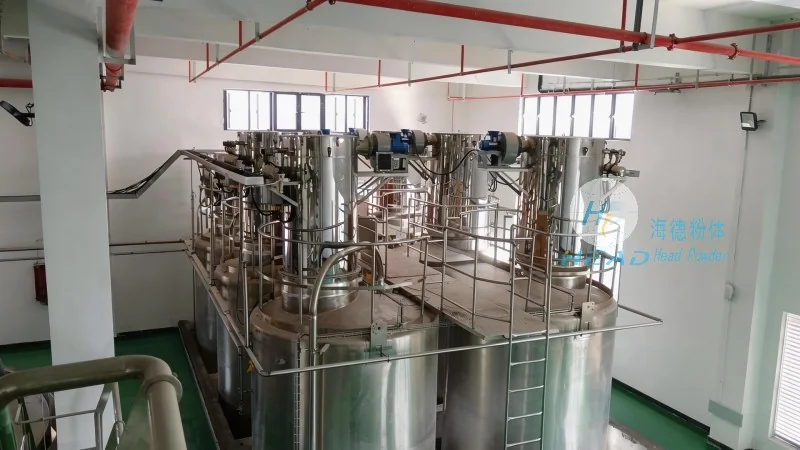
The core components of a PP pellet pneumatic conveying system typically include a hopper for material storage, a blower or air compressor to generate the conveying air, a pipeline system to transport the pellets, and a receiver or discharge unit where the material is deposited. The hopper is often equipped with a feeder to control the flow of pellets into the system, ensuring a consistent and controlled feed rate. This feeder may be a rotary valve, a screw feeder, or a vibratory feeder, depending on the material's properties and the required flow rate. The blower provides the necessary air pressure and volume to move the pellets through the pipeline, with options including centrifugal blowers or positive displacement blowers, each chosen based on the system's specific requirements. The pipeline itself is constructed from materials like stainless steel, aluminum, or plastic, depending on the material being conveyed and the operating conditions. It may include bends, elbows, or other fittings to change the direction of the flow, and the design of these components is critical to maintain the air-pellet mixture's stability and prevent material deposition or blockages. The receiver is usually a container or hopper where the conveyed pellets are collected, and it may include a discharge valve or other equipment to transfer the material to the next stage of processing, such as an extruder or mixer.
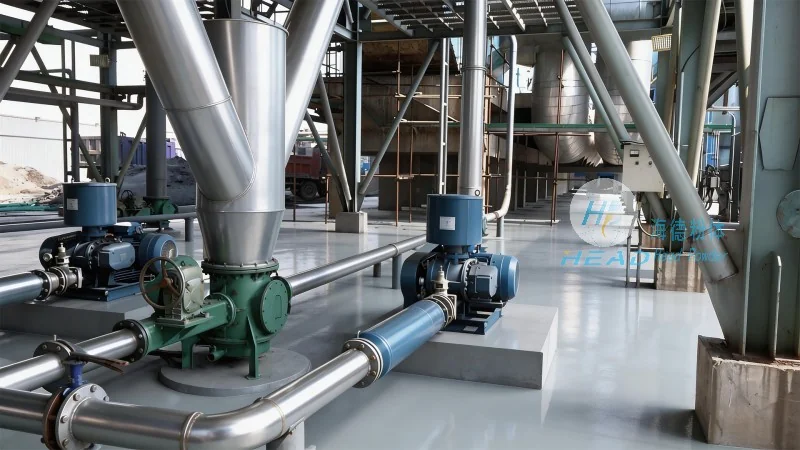
The design of a PP pellet pneumatic conveying system is based on several key principles to ensure efficient and reliable operation. First, the system must be designed to handle the specific properties of PP pellets, such as their size (typically 2-6 mm), density (around 0.9 g/cm³), and flow characteristics. The hopper and feeder are designed to prevent material bridging or clogging, which can occur with certain bulk materials. The hopper's shape and size are optimized to allow the pellets to flow freely, while the feeder's speed is controlled to match the system's required air flow rate. The blower's capacity is matched to the system's required air flow rate and pressure, ensuring that the pellets are conveyed at the desired velocity without excessive energy consumption. The pipeline design considers factors like material friction, air velocity, and the need for bends or changes in direction, which can affect the conveying efficiency. For example, the air velocity in the pipeline is typically maintained above the material's terminal velocity to prevent settling, and the pipeline diameter is chosen to minimize friction losses. The system is also designed to minimize air leakage and maintain the air-pellet mixture's homogeneity, as this directly impacts the conveying performance and material handling efficiency. Additionally, the system's components are selected to withstand the operating conditions, including temperature and pressure, to ensure long-term reliability.
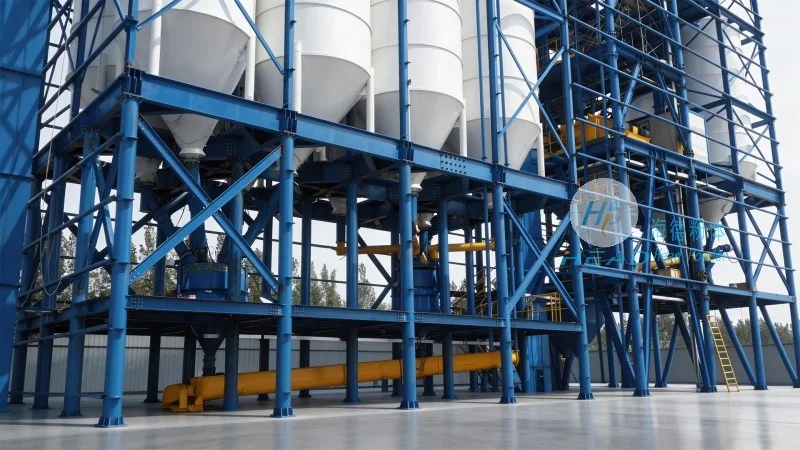
PP pellet pneumatic conveying systems offer several advantages over traditional mechanical conveying methods. One of the primary benefits is the ability to transport materials over long distances without the need for multiple transfer points or equipment. This reduces the risk of material contamination and improves overall process efficiency, as the material is moved in a continuous flow rather than being handled manually or with mechanical devices. The systems are also relatively compact and can be installed in various configurations, including vertical, horizontal, or mixed layouts, to fit the space constraints of a facility. This flexibility allows for integration into existing production lines or new installations with minimal disruption. Another advantage is the reduced maintenance requirements compared to mechanical systems, as there are fewer moving parts that can wear out or require regular servicing. Mechanical systems like belt conveyors or screw conveyors have components such as belts, pulleys, or screws that are prone to wear and tear, leading to higher maintenance costs and downtime. In contrast, pneumatic conveying systems have fewer components that are subject to wear, such as the blower and pipeline, which can be designed for long service life. Furthermore, pneumatic conveying systems can handle a wide range of materials, including those that are abrasive or have special handling requirements, making them versatile for different industrial applications. This versatility allows a single system to be used for various materials, reducing the need for multiple pieces of equipment and simplifying inventory management.

 Shandong Headpowder Engineering Co., Ltd.
 156-6277-7102(Manager Zhang)
  0531-83386006
  Zhangqiu District, Jinan City, Shandong Province, China
telephone
WeChatconsult
top