With more than 10‑year industry experience, Shandong Headpowder delivers full‑service pneumatic‑conveying systems and blowers, undertaking nationwide turn‑key powder‑handling projects.
Understanding the Fly Ash Silo Pneumatic Conveying System Equipment and Its Design Principles
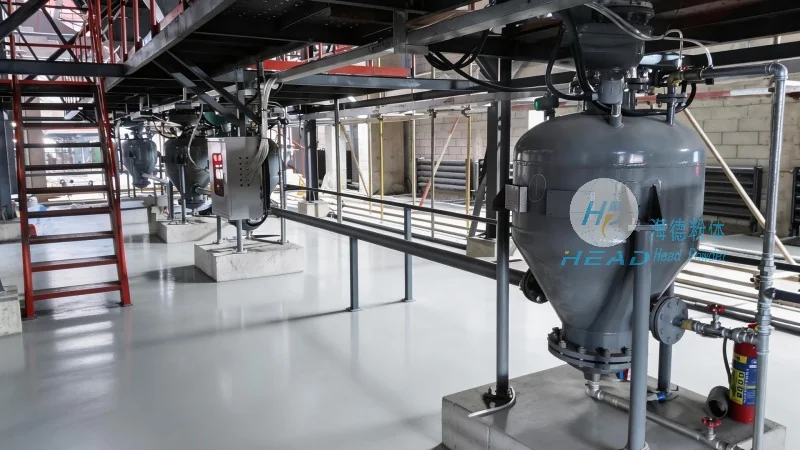
The fly ash silo pneumatic conveying system is a specialized industrial equipment designed for the efficient handling and transportation of fly ash, a byproduct of coal combustion in power plants. This system is crucial in modern power generation facilities as it ensures the safe and reliable movement of fly ash from storage silos to processing or disposal units. The system combines advanced engineering principles with robust material handling technology to meet the demanding requirements of fly ash management in the energy sector.
At the core of the fly ash silo pneumatic conveying system are several critical components that work in tandem to facilitate the conveying process. These components include the fly ash silo, which serves as the primary storage vessel; the pneumatic conveying pipeline, which transports the material under pressure; and the control system that regulates the operation of the entire system. Each component is engineered to withstand the abrasive nature of fly ash and the high-pressure conditions typical of pneumatic conveying applications. The silo is typically constructed from corrosion-resistant materials such as stainless steel or reinforced concrete to ensure durability and longevity. The conveying pipeline is equipped with high-quality valves, filters, and regulators to maintain consistent pressure and prevent material blockages. The control system, often integrated with sensors and automation technology, allows for real-time monitoring and adjustment of the conveying process, enhancing operational efficiency and safety.
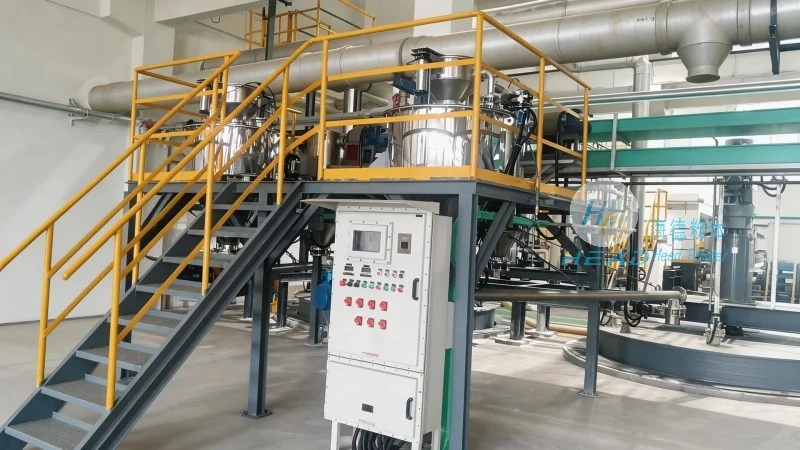
The design principle of the fly ash silo pneumatic conveying system is centered on the principles of pneumatic transport, which involves the use of air or other gases to move particulate materials through a pipeline. The system operates by creating a pressure differential between the silo and the discharge point. Air is introduced into the silo, and the pressure forces the fly ash particles to be carried along with the air stream through the pipeline. The design considers factors such as the particle size distribution, moisture content, and density of the fly ash, as these properties directly impact the conveying efficiency and system performance. Engineers from Shandong HeadPowder Engineering Co., Ltd. employ advanced computational fluid dynamics (CFD) and material flow modeling to optimize the system design, ensuring that the conveying velocity and pressure are precisely controlled to achieve the desired throughput without causing material degradation or system wear. The design also incorporates safety features, such as pressure relief valves and explosion-proof components, to protect against potential hazards associated with handling fly ash, which can be a fine, powdery material that poses inhalation risks if not handled properly.
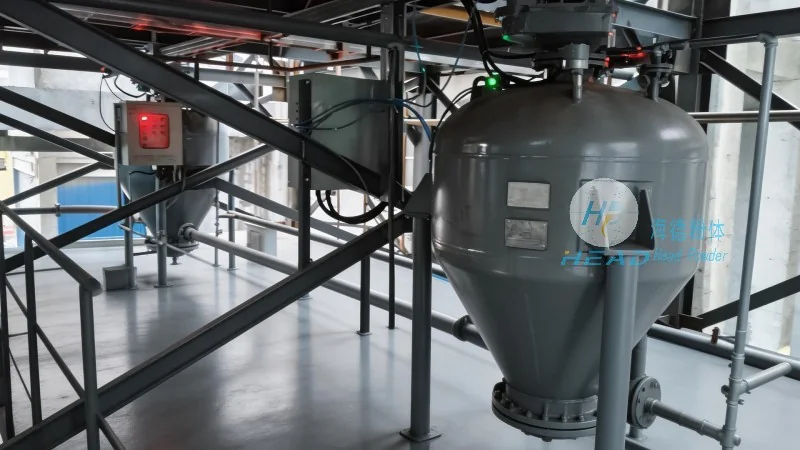
Implementing a fly ash silo pneumatic conveying system offers several advantages over traditional material handling methods. One of the primary benefits is the ability to transport fly ash over long distances without the need for mechanical conveying equipment, such as conveyors or elevators. This reduces the risk of material spillage and contamination, which is critical in maintaining environmental compliance and operational safety. The system also minimizes the need for manual handling, thereby improving workplace safety and reducing labor costs. Additionally, the pneumatic conveying system allows for flexible routing of the conveying pipeline, enabling the integration of the fly ash handling process with other plant operations. The system's ability to handle varying fly ash flow rates and compositions makes it a versatile solution for different power plant configurations. Furthermore, the use of automated control systems enhances the system's reliability and reduces downtime, contributing to overall operational efficiency.
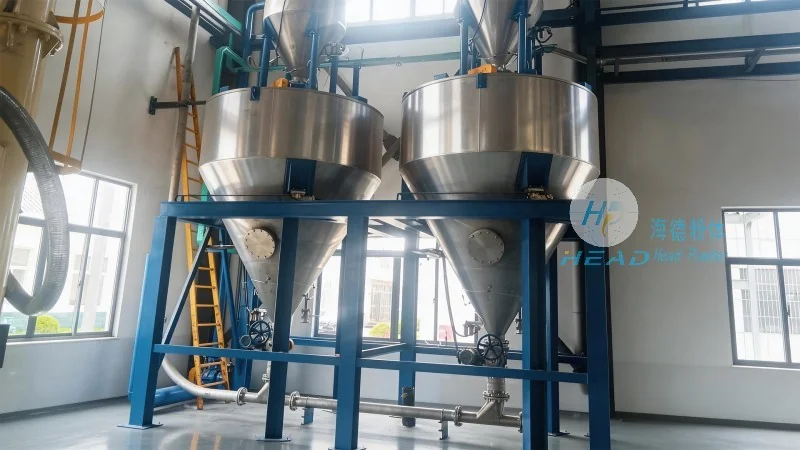
The fly ash silo pneumatic conveying system is widely used in thermal power plants, where it plays a vital role in the management of fly ash generated from coal combustion. The system is typically integrated with the power plant's existing infrastructure, including the fly ash silos and the boiler system. The design of the system is tailored to the specific capacity and operational requirements of the power plant, ensuring that it can handle the fly ash output from multiple boilers simultaneously. The system's flexibility allows it to be adapted to different fly ash characteristics, such as variations in particle size or moisture content, which can occur due to changes in fuel quality or operating conditions. The integration of the system with the plant's control network enables seamless monitoring and coordination with other plant systems, such as the boiler control and emissions monitoring systems. This integration enhances the overall plant efficiency and supports the plant's compliance with environmental regulations regarding fly ash disposal.
In conclusion, the fly ash silo pneumatic conveying system is a sophisticated piece of equipment that combines advanced engineering principles with robust material handling technology to efficiently manage fly ash in power plants. The design principles, which are based on pneumatic transport and optimized through computational modeling, ensure that the system operates reliably and safely. The system's advantages, including reduced material spillage, improved safety, and enhanced operational flexibility, make it an essential component of modern fly ash management strategies. Shandong HeadPowder Engineering Co., Ltd., with its headquarters in Shandong, China, specializes in the design, manufacturing, and installation of such systems, leveraging years of experience in the power generation and material handling industries. The company's commitment to quality and innovation ensures that its systems meet the highest standards of performance and safety, providing reliable solutions for fly ash handling in power plants worldwide.

 Shandong Headpowder Engineering Co., Ltd.
 156-6277-7102(Manager Zhang)
  0531-83386006
  Zhangqiu District, Jinan City, Shandong Province, China
telephone
WeChatconsult
top