With more than 10‑year industry experience, Shandong Headpowder delivers full‑service pneumatic‑conveying systems and blowers, undertaking nationwide turn‑key powder‑handling projects.
Textile fiber material handling systems are essential components in the textile manufacturing industry, designed to efficiently transport and manage various types of fibers and raw materials. These systems play a crucial role in streamlining production processes, enhancing operational efficiency, and ensuring consistent quality in textile production. The following article provides a detailed overview of the operation process and working principles of such systems, highlighting the key components and mechanisms involved.
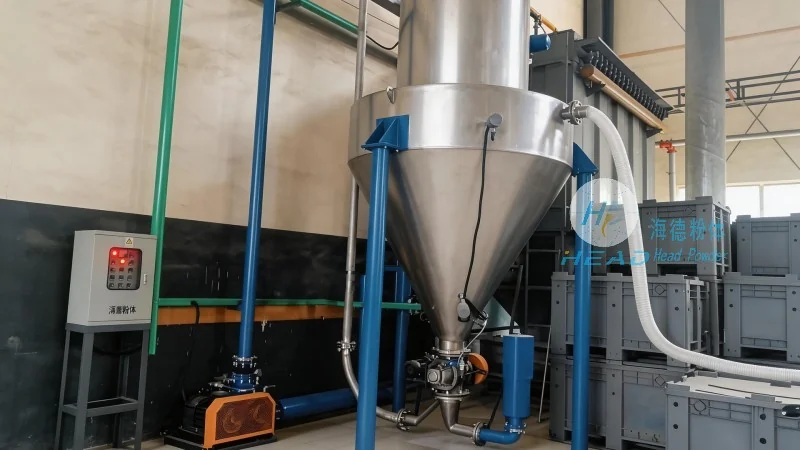
At the core of textile fiber material handling systems are several critical components that work in tandem to facilitate material movement. These components include feeders, conveyors, storage bins, and control units. Feeders are responsible for delivering raw fibers into the system, often using mechanisms like vibratory feeders or screw conveyors to ensure a steady flow. Conveyors, such as belt conveyors or chain conveyors, transport the fibers through the system, while storage bins provide temporary storage for materials before processing. Control units, typically equipped with sensors and programmable logic controllers (PLCs), monitor and regulate the entire operation to maintain optimal performance.
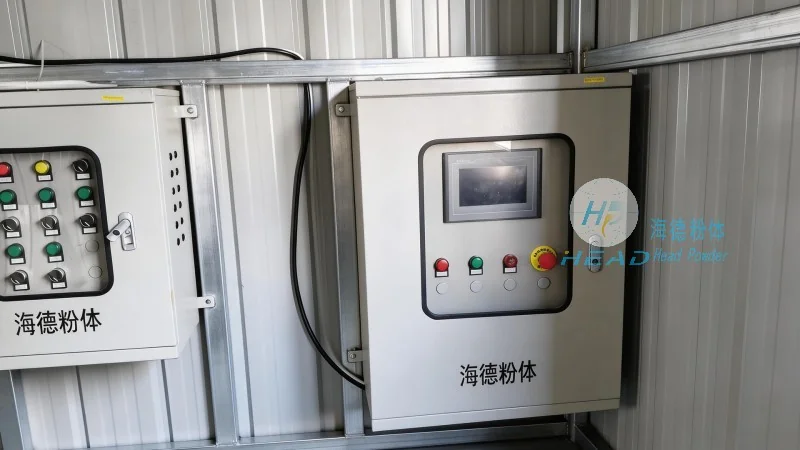
The operation process of textile fiber material handling systems typically involves several sequential steps. Initially, raw fibers are fed into the system via feeders, where they are sorted and prepared for transport. The fibers then move through the conveyor system, which may include multiple stages of transportation, such as horizontal and vertical movement. As the fibers travel, they may undergo additional processing, such as cleaning or blending, depending on the specific requirements of the textile production line. The system ensures that the fibers are delivered to the next stage of production, such as spinning or weaving, in a controlled and efficient manner. The entire process is monitored by the control unit, which adjusts parameters like speed and flow rate to maintain consistency and prevent bottlenecks.

The working principles of textile fiber material handling systems are based on mechanical and pneumatic mechanisms that enable precise control over material movement. Mechanical components, including rollers, belts, and gears, provide the primary means of transporting fibers, while pneumatic systems may be used for additional functions like air filtration or material separation. The system operates by converting energy from motors or other power sources into motion, which is then transmitted through the conveyor and feeder components. Sensors are integrated throughout the system to detect the presence and position of fibers, allowing the control unit to make real-time adjustments. This feedback loop ensures that the system operates smoothly and efficiently, minimizing downtime and maximizing productivity.
Implementing textile fiber material handling systems offers numerous benefits for textile manufacturers. These systems enhance operational efficiency by reducing manual labor and streamlining material flow. They also improve product quality by ensuring consistent fiber distribution and reducing the risk of contamination. Additionally, the automated control systems provide better monitoring and data collection, enabling manufacturers to optimize their processes and make informed decisions. The use of such systems contributes to cost savings through reduced labor costs and increased production throughput.
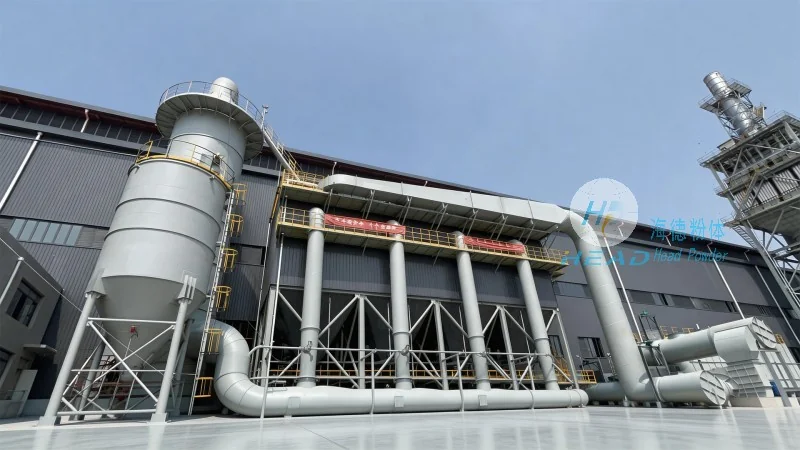
Shandong HeadPowder Engineering Co., Ltd., commonly known as headpowder, is a leading manufacturer of textile fiber material handling systems. With a focus on innovation and quality, the company provides comprehensive solutions tailored to the specific needs of the textile industry. Headpowder's systems are designed to meet the highest standards of performance and reliability, ensuring long-term operational efficiency. The company's headquarters is located in Shandong, China, where it leverages advanced technology and expertise to develop cutting-edge material handling solutions for clients worldwide.

 Shandong Headpowder Engineering Co., Ltd.
 156-6277-7102(Manager Zhang)
  0531-83386006
  Zhangqiu District, Jinan City, Shandong Province, China
telephone
WeChatconsult
top