With more than 10‑year industry experience, Shandong Headpowder delivers full‑service pneumatic‑conveying systems and blowers, undertaking nationwide turn‑key powder‑handling projects.
Welcome to Shandong HeadPowder Engineering Co., Ltd., a leading provider of advanced material handling solutions. In this article, we will explore the concept of negative pressure pneumatic conveying systems and delve into the core design principles that make them efficient and reliable for various industrial applications.
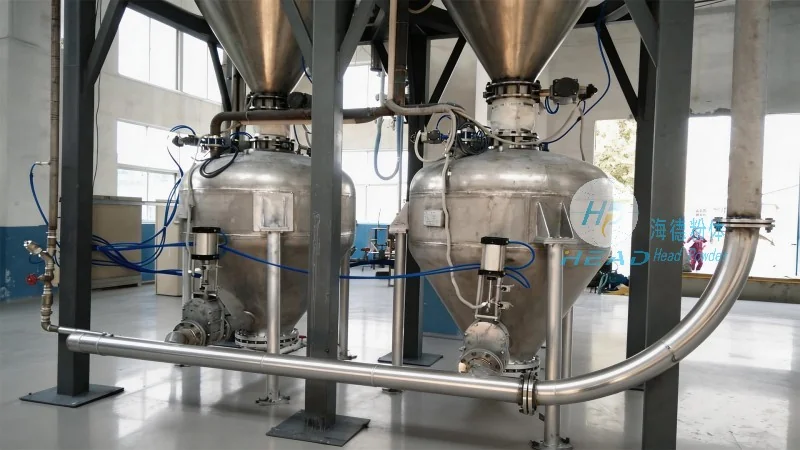
A negative pressure pneumatic conveying system is a sophisticated equipment used to transport bulk materials from one location to another using air as the conveying medium. Unlike positive pressure systems that force air and material through a pipeline, negative pressure systems create a vacuum or reduced pressure environment to draw material into the system. This approach offers several advantages, including lower energy consumption, reduced material degradation, and enhanced safety by minimizing dust emissions.
The design of a negative pressure pneumatic conveying system is built upon several fundamental principles that ensure optimal performance and efficiency. The primary components include a vacuum source, a material feed hopper, a conveying pipeline, and a discharge unit. The vacuum source, typically a rotary vane pump or a Roots blower, generates the necessary suction to draw material from the feed hopper. The material feed hopper is equipped with a feeder mechanism, such as a rotary valve or a screw feeder, which controls the flow rate of the material into the pipeline. The conveying pipeline is designed with smooth, low-friction surfaces to minimize material wear and ensure consistent flow. The discharge unit, often a venturi or a cyclone separator, separates the material from the air stream and directs it to the destination.
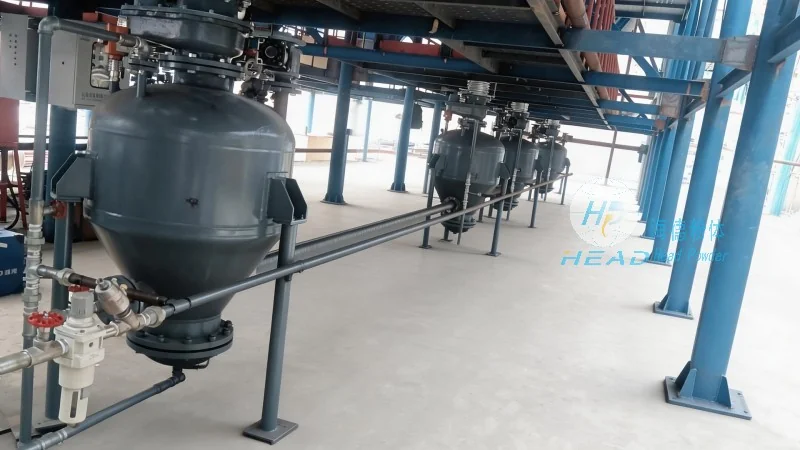
Negative pressure pneumatic conveying systems offer numerous benefits that make them ideal for industries dealing with sensitive or abrasive materials. These advantages include gentle material handling, which prevents product degradation and maintains material integrity. The system also provides excellent dust control, as the vacuum environment captures and contains particles, reducing the risk of contamination and improving workplace safety. Additionally, negative pressure systems are energy-efficient, as they require less power to operate compared to positive pressure systems, leading to lower operational costs over time.
Shandong HeadPowder Engineering Co., Ltd. specializes in providing negative pressure pneumatic conveying solutions tailored to diverse industrial needs. These systems are widely used in industries such as pharmaceuticals, food processing, chemical manufacturing, and mining. For example, in the pharmaceutical industry, negative pressure systems are used to transport powders and granules with high purity requirements, ensuring that the material remains free from contamination. In food processing, the gentle handling and dust control features make these systems suitable for transporting ingredients like flour, sugar, and spices. The chemical industry benefits from the system's ability to handle abrasive and corrosive materials, while the mining sector utilizes negative pressure conveying for transporting bulk ores and minerals.
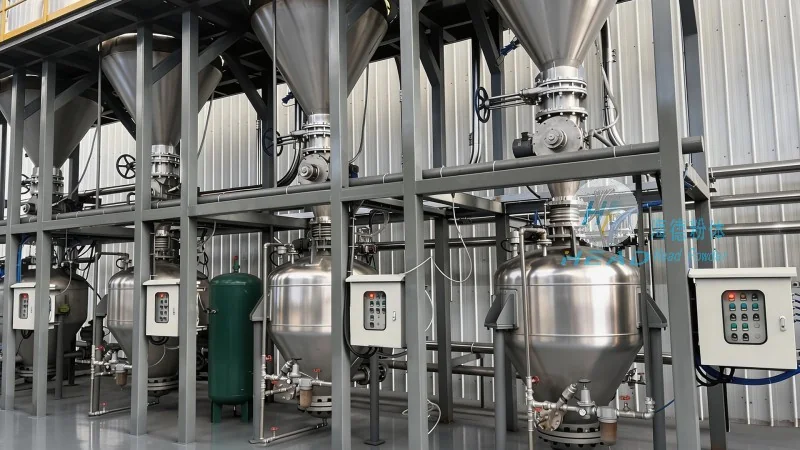
At Shandong HeadPowder Engineering Co., Ltd., we understand that each industrial application has unique requirements. Therefore, our negative pressure pneumatic conveying systems are designed with flexibility in mind, allowing for customization to meet specific material characteristics, flow rates, and operational conditions. Regular maintenance is crucial to ensure the longevity and efficiency of the system. Our team provides comprehensive maintenance services, including component inspections, cleaning, and replacement of worn parts. By adhering to a regular maintenance schedule, users can maximize the system's performance and minimize downtime.
Negative pressure pneumatic conveying systems represent a sophisticated and efficient solution for bulk material handling. The design principles, including the use of vacuum sources, controlled material feed, and efficient separation mechanisms, ensure that these systems deliver reliable performance across various industries. Shandong HeadPowder Engineering Co., Ltd. is committed to providing high-quality, customized solutions that meet the evolving needs of our clients, ensuring that their material handling processes are optimized for efficiency, safety, and cost-effectiveness.

 Shandong Headpowder Engineering Co., Ltd.
 156-6277-7102(Manager Zhang)
  0531-83386006
  Zhangqiu District, Jinan City, Shandong Province, China
telephone
WeChatconsult
top