With more than 10‑year industry experience, Shandong Headpowder delivers full‑service pneumatic‑conveying systems and blowers, undertaking nationwide turn‑key powder‑handling projects.
For industries dealing with fine powders, efficient and reliable material handling is crucial. One advanced solution that has gained significant attention is the foam powder pneumatic conveying system. This technology offers a unique approach to transporting powders by integrating air and foam to enhance performance and reduce operational challenges. In this article, we will explore what a foam powder pneumatic conveying system is and delve into its fundamental design principles.
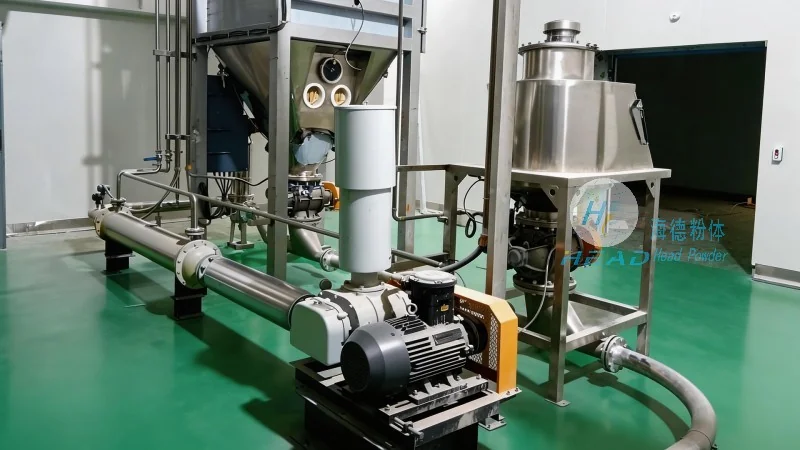
A foam powder pneumatic conveying system is a specialized type of pneumatic conveying equipment designed to transport dry powders using a mixture of air and foam. Unlike traditional pneumatic systems that rely solely on air pressure, this method introduces a foam phase, which acts as a carrier medium. The foam, typically generated by mixing air with a small amount of liquid (often water or a surfactant solution), creates a stable, low-density structure that can effectively lift and transport fine powders over long distances with minimal pressure drop and energy consumption.
The design of a foam powder pneumatic conveying system is based on several key principles that ensure efficient powder transport. The primary principle is the creation of a stable foam that can carry the powder particles. This involves controlling the air-to-liquid ratio, foam generation pressure, and the velocity of the air-foam mixture. The foam acts as a cushion, reducing particle-particle and particle-wall collisions, which minimizes attrition and degradation of the powder. Additionally, the system is engineered to maintain a consistent foam quality throughout the conveying process, ensuring uniform particle suspension and preventing clogging or blockages in the pipeline.
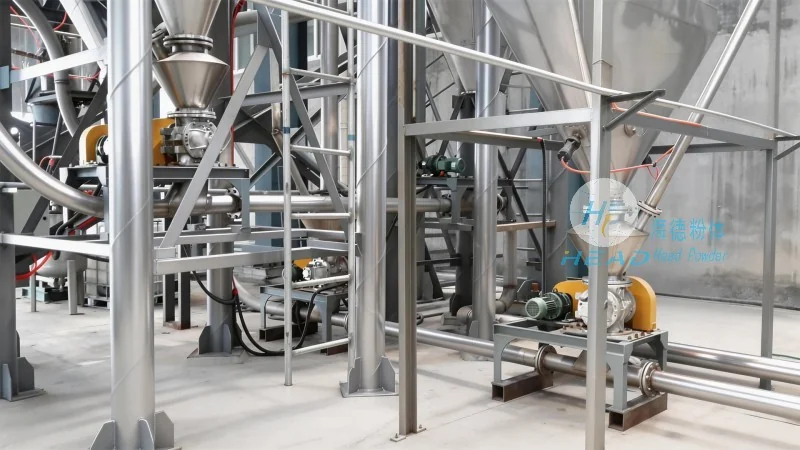
Several critical components make up a foam powder pneumatic conveying system. The first is the foam generator, which is responsible for producing the foam by mixing air with a liquid solution under controlled conditions. The foam generator typically includes a pump, a mixing chamber, and a control valve to regulate the foam flow rate and consistency. The second key component is the conveying pipeline, which is usually made of flexible or rigid materials depending on the application. The pipeline is designed to withstand the pressure and foam flow while minimizing friction losses. The third component is the powder feeder, which introduces the dry powder into the foam stream at a controlled rate. The feeder may be a rotary valve, a screw feeder, or a hopper with a metering device to ensure a consistent feed rate. Finally, the system includes a separation and recovery unit, which removes the foam from the powder at the end of the conveying process and recycles the liquid and air for reuse.
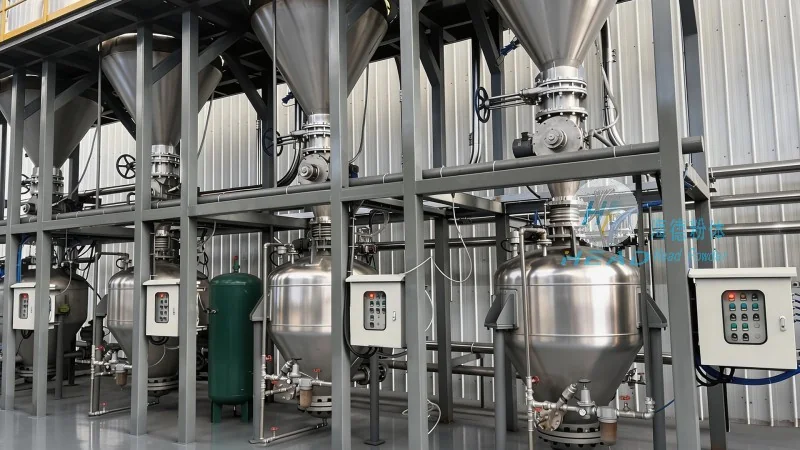
There are several advantages to implementing a foam powder pneumatic conveying system in industrial settings. One of the most significant benefits is the reduction in energy consumption compared to traditional pneumatic systems. The foam's low density and high surface area allow for more efficient powder transport with lower air pressure requirements. This leads to lower operational costs and reduced energy bills. Another advantage is the minimized wear and tear on equipment. Since the foam acts as a cushion, it reduces the impact of powder particles on the pipeline and other components, extending the lifespan of the system. Additionally, foam powder conveying is suitable for handling delicate or sensitive powders, such as pharmaceuticals or food products, as it prevents contamination and degradation. The system also offers flexibility in terms of conveying distance and material type, making it adaptable to various industrial applications.
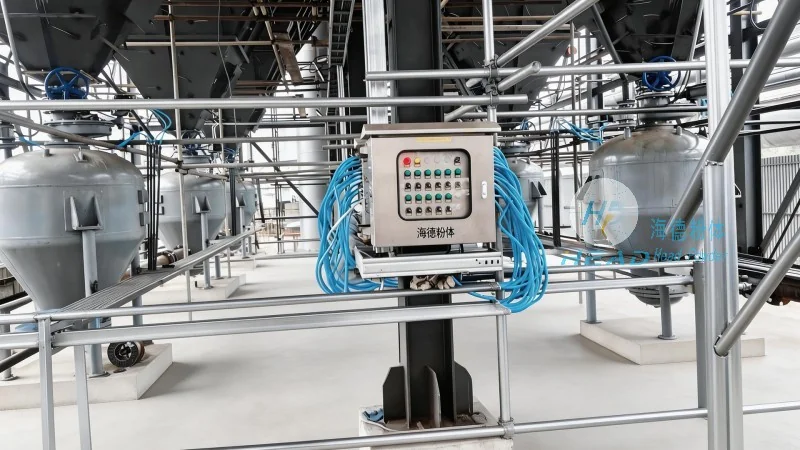
The foam powder pneumatic conveying system is widely used across multiple industries due to its versatility and effectiveness. In the chemical industry, it is used to transport fine powders like pigments, catalysts, and reagents. The system's ability to handle abrasive and corrosive materials makes it ideal for these applications. In the pharmaceutical industry, foam powder conveying is preferred for transporting active pharmaceutical ingredients (APIs) and excipients, as it maintains product purity and prevents cross-contamination. The food industry also benefits from this technology, particularly in handling powdered ingredients like spices, sugars, and dairy products. The system's hygienic design and ability to prevent dust contamination make it suitable for food processing environments. Additionally, in the mining and mineral processing sectors, foam powder conveying is used to transport fine ores and minerals, improving efficiency and reducing the risk of dust explosions.
Shandong HeadPowder Engineering Co., Ltd. is a leading manufacturer and supplier of advanced powder handling equipment, including foam powder pneumatic conveying systems. With a strong commitment to innovation and quality, the company has established itself as a trusted partner in the industry. HeadPowder is located in Shandong, China, and specializes in designing and manufacturing customized solutions tailored to the specific needs of its clients. The company's products are known for their reliability, efficiency, and adherence to international standards. By leveraging advanced technology and a team of experienced engineers, HeadPowder provides comprehensive support from system design and installation to maintenance and after-sales service. With a focus on customer satisfaction and sustainable solutions, Shandong HeadPowder Engineering Co., Ltd. continues to drive the advancement of powder handling technology and serves a diverse range of industries worldwide.

 Shandong Headpowder Engineering Co., Ltd.
 156-6277-7102(Manager Zhang)
  0531-83386006
  Zhangqiu District, Jinan City, Shandong Province, China
telephone
WeChatconsult
top