

Working Principle and Features of Clay Pneumatic Conveyors
Shandong HeadPowder Engineering Co., Ltd., based in Shandong, China, specializes in the design, manufacturing, and supply of advanced pneumatic conveying systems. The company focuses on providing efficient and reliable solutions for material handling, particularly in the processing of clay and other bulk materials. This article explores the working principle and key features of clay pneumatic conveyors, highlighting how these systems enhance operational efficiency and product quality in industrial applications.
Introduction to Clay Pneumatic Conveying Systems
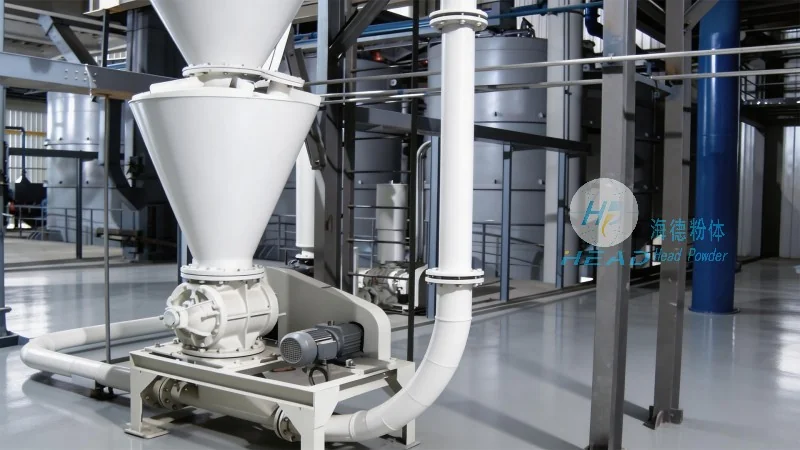
Clay pneumatic conveying equipment is a critical component in industries where bulk materials like clay are transported from one location to another. Unlike traditional mechanical conveyors, pneumatic systems use air pressure to move materials through a pipeline network. This method offers several advantages, including the ability to handle fine powders, minimize product contamination, and maintain a clean and dust-free environment. The systems are widely used in manufacturing processes such as ceramics, pharmaceuticals, and food processing, where material purity and consistent flow are paramount.
The Working Principle of Clay Pneumatic Conveyors
The operation of a clay pneumatic conveyor involves a series of steps that ensure smooth and efficient material transport. At its core, the system relies on the principle of air flow to create a pressure differential that propels the material. The process typically begins with the material being fed into a hopper or feeder, where it is then introduced into a pipeline. A fan or blower generates the necessary air pressure, which draws the material particles into the pipeline. The air and material mixture travels through the pipeline to the discharge point, where the material is separated from the air and deposited in the receiving container. The air is then filtered and recycled back into the system, ensuring minimal energy loss and environmental impact.
Key Features of Clay Pneumatic Conveying Equipment
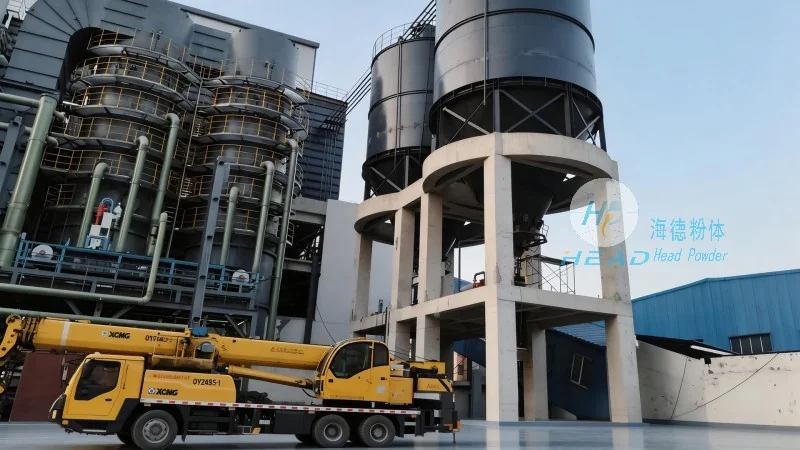
Clay pneumatic conveyors from Shandong HeadPowder Engineering Co., Ltd. are designed with several key features that enhance their performance and adaptability. One of the primary features is the ability to handle fine and abrasive materials without causing wear or damage to the system components. The equipment is constructed using high-quality materials, such as stainless steel and corrosion-resistant alloys, which are resistant to the chemical properties of clay and other bulk materials. This ensures long-term durability and low maintenance costs. Another important feature is the system's flexibility in terms of layout and configuration. The pipelines can be installed in various orientations, including vertical and horizontal, allowing for customized solutions that fit specific plant layouts. Additionally, the systems are equipped with advanced control mechanisms that allow for precise regulation of air pressure and material flow, ensuring consistent and reliable operation.
Advantages of Using Clay Pneumatic Conveyors
Implementing clay pneumatic conveying systems offers numerous benefits for industrial operations. One of the most significant advantages is the reduction in labor costs associated with manual material handling. The automated process minimizes the need for human intervention, reducing the risk of accidents and improving overall safety. Furthermore, the systems enhance product quality by preventing contamination from external sources, such as dust or moisture. The enclosed pipeline design ensures that the material remains clean and free from contaminants, which is crucial in industries where product purity is a regulatory requirement. Another advantage is the energy efficiency of the system. By recycling the air and optimizing the pressure differential, the conveyors consume less energy compared to traditional mechanical systems, leading to lower operational costs over time.
Application Examples and Customization
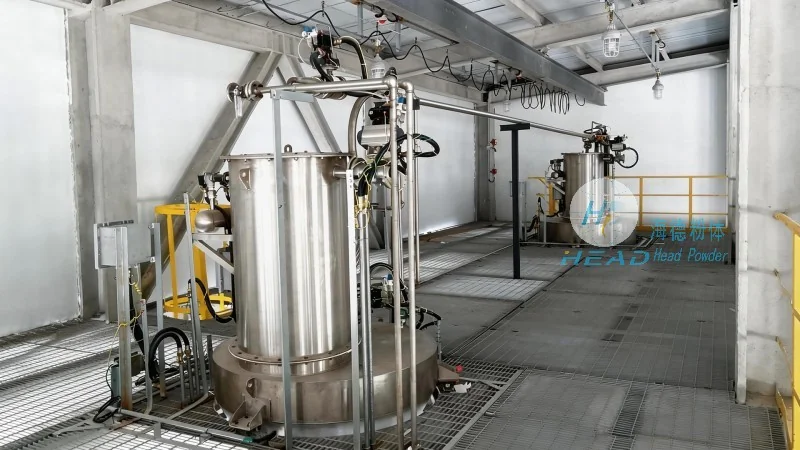
Clay pneumatic conveyors are versatile and can be customized to meet the specific needs of various industrial applications. For example, in the ceramics industry, the systems are used to transport raw clay from storage silos to production lines, ensuring a consistent supply of material for manufacturing processes. In pharmaceutical applications, the equipment is used to handle fine powders, such as clay-based excipients, with strict adherence to hygiene and contamination control standards. The systems can also be integrated with other processing equipment, such as mixers and extruders, to create a seamless production line. Shandong HeadPowder Engineering Co., Ltd. offers tailored solutions that consider factors like material characteristics, plant layout, and operational requirements, ensuring that the final system meets the client's specific needs.
Conclusion
In conclusion, clay pneumatic conveying equipment from Shandong HeadPowder Engineering Co., Ltd. represents a sophisticated and efficient solution for bulk material handling. The working principle, which relies on air pressure to transport materials, combined with key features such as durability, flexibility, and energy efficiency, makes these systems ideal for various industrial applications. By understanding the working principle and features of clay pneumatic conveyors, industries can make informed decisions about implementing these systems to enhance operational efficiency, product quality, and overall productivity. The company's commitment to quality and customization ensures that clients receive reliable and effective solutions that meet their specific requirements.