With more than 10‑year industry experience, Shandong Headpowder delivers full‑service pneumatic‑conveying systems and blowers, undertaking nationwide turn‑key powder‑handling projects.
Chloroprene rubber powder pneumatic conveying machines are essential equipment in industrial material handling, designed to efficiently transport chloroprene rubber powder through a pneumatic system. These machines combine advanced engineering with reliable performance to ensure safe and effective material transfer in various industrial applications.
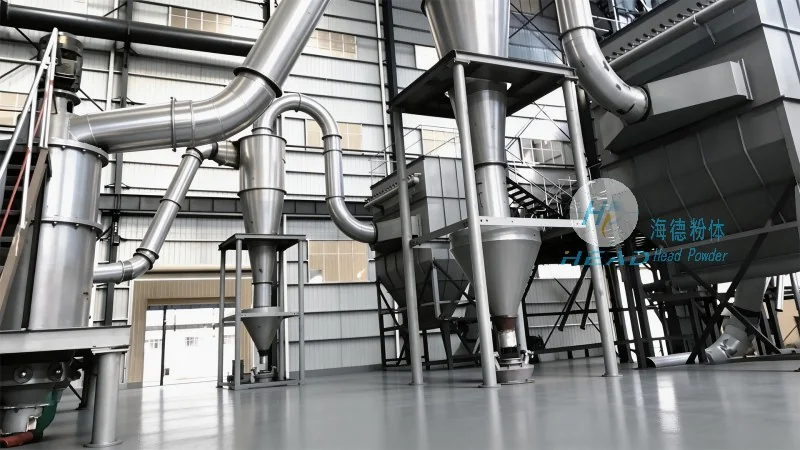
Chloroprene rubber, also known as neoprene, is a synthetic rubber used in a wide range of products due to its excellent resistance to oil, chemicals, and weathering. Powder form of chloroprene rubber requires specialized handling equipment to maintain its quality and prevent contamination. Pneumatic conveying machines offer a solution by utilizing air pressure to move the powder through a sealed system, minimizing dust and ensuring consistent flow.
The core principle of a chloroprene rubber powder pneumatic conveying machine is the use of compressed air to create a flow of material. The system typically consists of a hopper for material storage, a blower or air compressor to generate the necessary air pressure, and a pipeline network that transports the powder from the source to the destination. As air is introduced into the hopper, it lifts the powder particles and carries them through the pipeline to the discharge point. This process is often referred to as "air-assisted" or "pressure" conveying, depending on the system design.
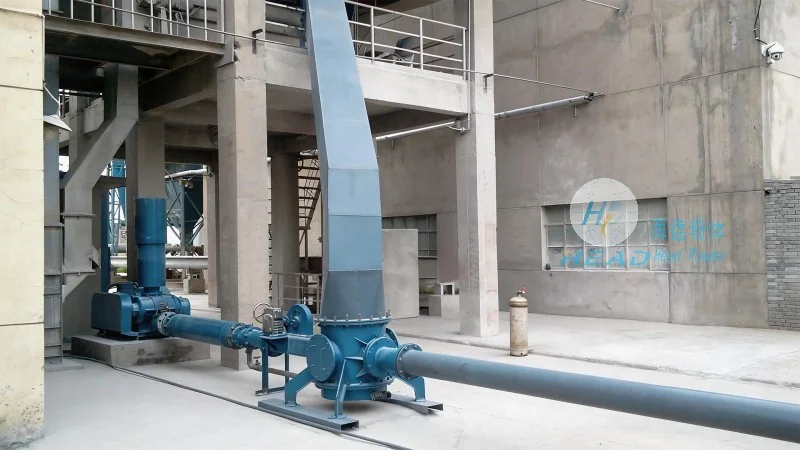
Several critical components work together to ensure the smooth operation of a chloroprene rubber powder pneumatic conveying machine. The hopper is the primary storage vessel, equipped with a feeding mechanism to control the flow of powder into the system. The blower or air compressor provides the necessary pressure to move the material, with adjustable settings to accommodate different powder characteristics and system requirements. The pipeline network includes elbows, tees, and other fittings to direct the flow, while filters and cyclones are used to separate the powder from the air at the discharge end, preventing dust accumulation and maintaining system efficiency.
The operation of a chloroprene rubber powder pneumatic conveying machine involves several key steps to ensure optimal performance. First, the hopper is filled with chloroprene rubber powder, and the system is checked for proper air pressure and seal integrity. Next, the blower is activated, creating the necessary air flow to lift the powder from the hopper. The powder is then transported through the pipeline to the discharge point, where it is collected in a receiving container. The system may include a control panel with sensors to monitor pressure, flow rate, and other parameters, allowing for real-time adjustments to maintain consistent operation. Finally, the system is shut down and cleaned as needed to prevent material buildup and maintain hygiene.
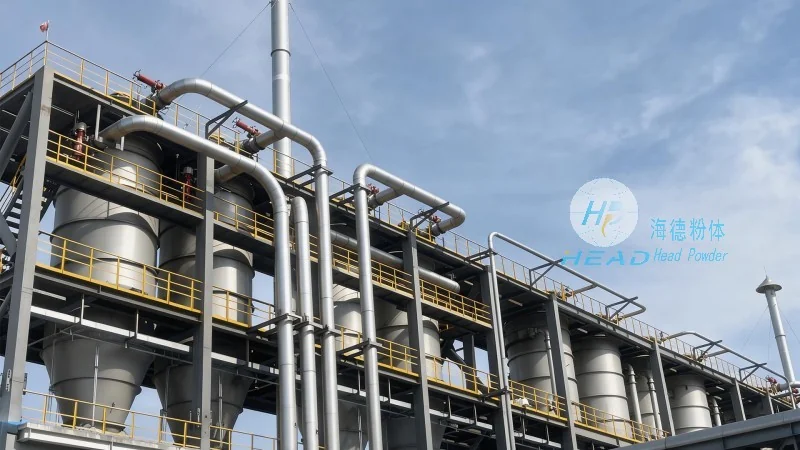
Pneumatic conveying offers several advantages over traditional methods like belt conveyors or bucket elevators for handling chloroprene rubber powder. One of the primary benefits is the ability to transport the material in a sealed system, which minimizes dust exposure and reduces the risk of contamination. This is particularly important for chloroprene rubber, which can be sensitive to environmental factors and may degrade if exposed to air or moisture. Additionally, pneumatic systems can handle materials with varying particle sizes and flow properties, making them versatile for different industrial applications. The sealed design also helps to maintain the quality of the powder, ensuring consistent performance in downstream processes.
Chloroprene rubber powder pneumatic conveying machines are widely used in various industries that require the handling of rubber powders. These include the manufacturing of adhesives, sealants, and coatings, where consistent powder flow is critical for product quality. The automotive industry also relies on these systems for the production of rubber components, such as gaskets and seals, which require precise material handling to ensure durability and performance. Other applications include the chemical and pharmaceutical industries, where the sealed and hygienic nature of pneumatic conveying is essential for maintaining product integrity.
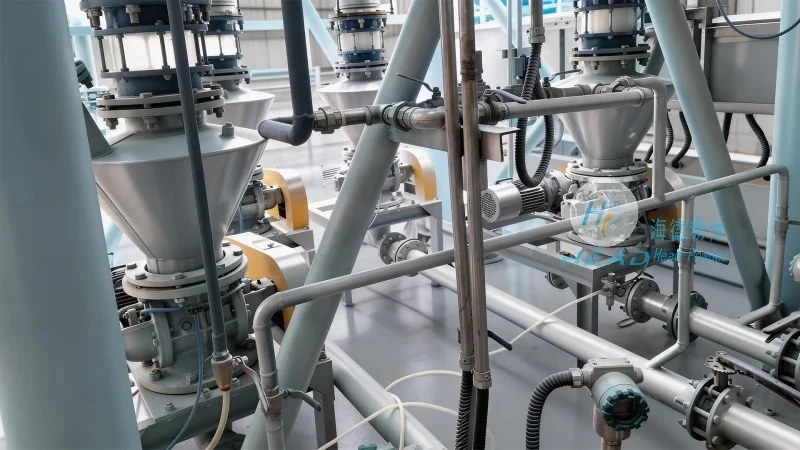
Maintaining the performance and safety of a chloroprene rubber powder pneumatic conveying machine is crucial for long-term operation. Regular maintenance includes checking the blower and air compressor for proper function, inspecting the pipeline for leaks or blockages, and cleaning the filters and cyclones to prevent clogging. It is also important to follow safety guidelines when operating the system, such as wearing appropriate personal protective equipment (PPE) and ensuring proper ventilation to avoid exposure to dust or fumes. Additionally, the system should be inspected for wear and tear on components like the hopper and pipeline, as these can affect the efficiency and safety of the operation.
Shandong HeadPowder Engineering Co., Ltd. is a leading manufacturer of industrial material handling equipment, specializing in pneumatic conveying systems for various powder materials. With years of experience in the industry, the company has developed a reputation for producing high-quality, reliable equipment that meets the needs of diverse industrial applications. HeadPowder's commitment to innovation and customer satisfaction has made it a trusted partner for businesses seeking efficient and effective material handling solutions. The company's headquarters is located in Shandong, China, where it continues to advance its technology and expand its product offerings to serve global markets.

 Shandong Headpowder Engineering Co., Ltd.
 156-6277-7102(Manager Zhang)
  0531-83386006
  Zhangqiu District, Jinan City, Shandong Province, China
telephone
WeChatconsult
top