With more than 10‑year industry experience, Shandong Headpowder delivers full‑service pneumatic‑conveying systems and blowers, undertaking nationwide turn‑key powder‑handling projects.
Shandong HeadPowder Engineering Co., Ltd., a leading manufacturer based in China, specializes in the design, production, and installation of advanced pneumatic conveying systems. The company's expertise lies in providing efficient and reliable solutions for handling wood fiber powders, which are widely used in various industrial applications such as papermaking, packaging, and construction materials. This article delves into the operation process and working principle of a wood fiber powder pneumatic conveying line, highlighting the technical aspects and practical applications of this critical equipment.
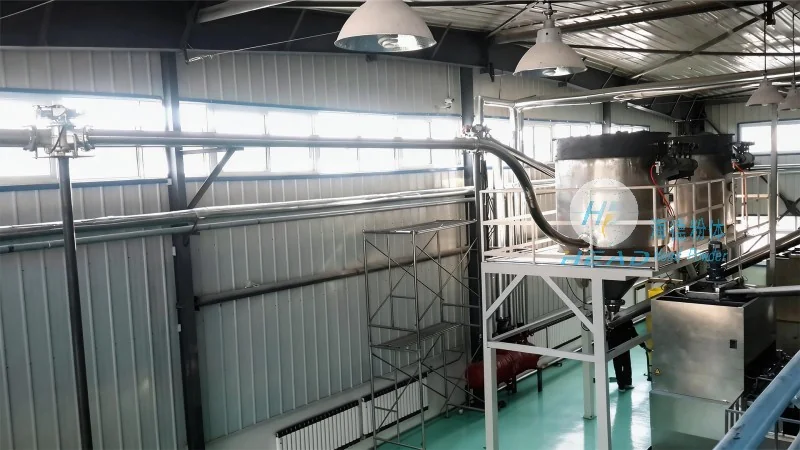
A wood fiber powder pneumatic conveying line is a sophisticated system designed to transport wood fiber powders from a source to a destination through the use of air pressure. The system typically consists of several key components, including a hopper, a rotary valve, a conveying pipe, a filter, and a receiver. These components work in tandem to ensure the smooth and efficient movement of the material, minimizing the risk of blockages and ensuring consistent performance. The system is particularly suitable for handling wood fiber powders due to their lightweight nature and potential for static charge accumulation, which can affect the conveying process if not managed properly.
The core of the wood fiber powder pneumatic conveying line is the air flow mechanism, which utilizes pressure differentials to move the material through the conveying pipe. The process begins with the material being fed into the hopper from a storage silo or a processing unit. A rotary valve then controls the flow of the wood fiber powder into the conveying line, ensuring a consistent and controlled discharge rate. As the material enters the conveying pipe, it is entrained by the high-velocity air stream generated by a blower or a fan. The air and material mixture travels through the pipe to the receiver, where the material is separated from the air using a filter or a cyclone separator. The separated material is then collected in the receiver, while the air is either vented to the atmosphere or recirculated back to the system to maintain energy efficiency.
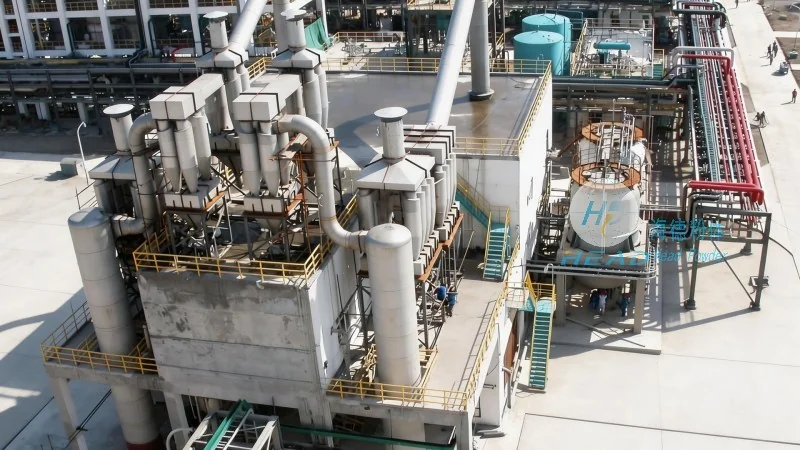
The operation of a wood fiber powder pneumatic conveying line involves several sequential steps that ensure optimal performance and material handling. The first step is the preparation phase, where the wood fiber powder is loaded into the hopper and the system is checked for any potential issues, such as air leaks or blockages. The second step is the start-up process, where the blower is activated, and the air flow is adjusted to the appropriate velocity to ensure the material is properly entrained. The third step is the conveying phase, where the wood fiber powder is transported from the hopper to the receiver. During this phase, the system continuously monitors the pressure and flow rates to maintain a stable conveying condition. The fourth step is the material discharge, where the collected wood fiber powder is transferred to the next processing stage or storage container. The final step is the system shutdown, where the blower is turned off, and the air pressure is released to prevent any residual material from being released into the environment.
Each component of the wood fiber powder pneumatic conveying line plays a crucial role in the overall operation. The hopper serves as the material storage and feeding unit, providing a consistent supply of wood fiber powder to the system. The rotary valve acts as a control valve, regulating the flow rate of the material and preventing backflow. The conveying pipe is designed to withstand the pressure and temperature of the system, ensuring the safe and efficient transport of the material. The filter or cyclone separator is essential for separating the wood fiber powder from the air, preventing dust and particles from being released into the environment. The receiver collects the material and provides a storage space for the transported wood fiber powder, ensuring that the material is available for the next processing stage.
Wood fiber powder pneumatic conveying systems offer several advantages over traditional mechanical conveying methods. One of the primary advantages is the ability to handle wood fiber powders in a dust-free environment, which reduces the risk of fire hazards and improves workplace safety. The system also minimizes material degradation, as the material is not subjected to friction or impact during transport. Additionally, pneumatic conveying systems are highly flexible, allowing for changes in the conveying route or destination without major modifications to the system. The system also reduces labor costs, as it eliminates the need for manual handling of the wood fiber powder, and improves overall production efficiency.
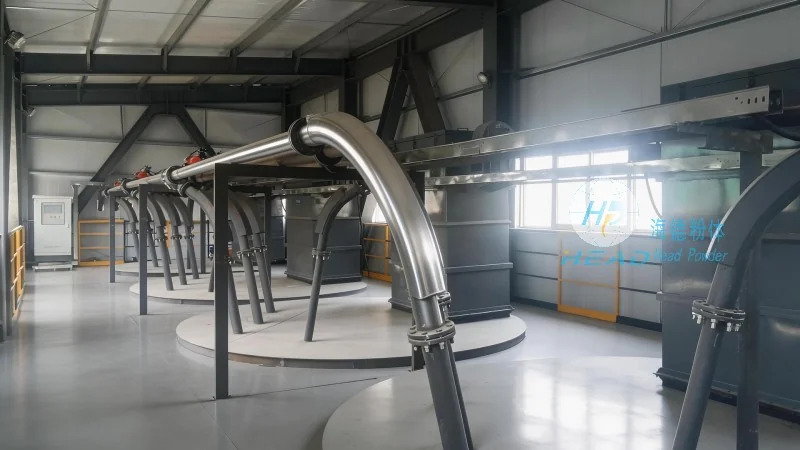
To ensure the long-term performance and reliability of the wood fiber powder pneumatic conveying line, regular maintenance is essential. The system should be inspected regularly for any signs of wear and tear, such as leaks in the conveying pipe or clogs in the filter. The blower and fan should be checked for proper operation, and the air flow should be adjusted as needed to maintain optimal conveying conditions. The rotary valve and hopper should be cleaned regularly to prevent the accumulation of material, which can affect the flow rate and cause blockages. If any issues arise during operation, such as a decrease in conveying efficiency or an increase in pressure, the system should be shut down immediately and inspected for the root cause. Common issues include air leaks, material clogging, or filter blockage, which can be resolved by adjusting the system settings or replacing the affected components.
Wood fiber powder pneumatic conveying lines are an essential component of modern industrial processes, providing efficient and reliable transport of wood fiber powders. The system's working principle, based on air flow and pressure differentials, ensures the smooth and consistent movement of the material. The operation process involves several sequential steps, from material loading to discharge, and requires regular maintenance to ensure optimal performance. The advantages of using pneumatic conveying, such as dust-free handling and reduced material degradation, make it an ideal solution for handling wood fiber powders. Shandong HeadPowder Engineering Co., Ltd. specializes in providing high-quality pneumatic conveying systems tailored to the specific needs of wood fiber powder applications, ensuring that clients receive reliable and efficient solutions for their material handling requirements.

 Shandong Headpowder Engineering Co., Ltd.
 156-6277-7102(Manager Zhang)
  0531-83386006
  Zhangqiu District, Jinan City, Shandong Province, China
telephone
WeChatconsult
top