Desulfurization and Denitrification Agent Material Handling Systems: Understanding Design Principles
Release time:2026-09-15 01:03:45
name of the company:Shandong Headpowder Engineering Co., Ltd.
telephone:156-6277-7102
contacts:Manager Zhang
Desulfurization and denitrification are critical processes in modern industrial applications, particularly in power generation and chemical manufacturing. The efficient handling of desulfurization and denitrification agents is essential for maintaining optimal performance and ensuring environmental compliance. This article explores the material handling systems used for these agents and delves into the design principles that underpin their functionality.
Introduction to Desulfurization and Denitrification Agents
Desulfurization and denitrification agents are chemical compounds or materials used to remove sulfur dioxide (SO₂) and nitrogen oxides (NOₓ) from flue gases. These pollutants are major contributors to air pollution and acid rain, making their removal a priority in industrial emissions control. The agents themselves can vary in form—such as powders, slurries, or liquids—and require specialized equipment to transport and apply them effectively.
HeadPowder Engineering: A Leader in Material Handling Solutions
Shandong HeadPowder Engineering Co., Ltd. (commonly known as HeadPowder) is a reputable company based in Shandong, China, specializing in engineering solutions for material handling systems. With years of experience in the industry, HeadPowder has developed advanced systems tailored to the unique requirements of desulfurization and denitrification applications. The company’s expertise lies in designing systems that ensure safe, efficient, and reliable transport of these agents, minimizing downtime and maximizing operational efficiency.
Key Components of Desulfurization and Denitrification Agent Material Handling Systems
The material handling system for desulfurization and denitrification agents typically consists of several key components, each playing a vital role in the overall process. These components include:
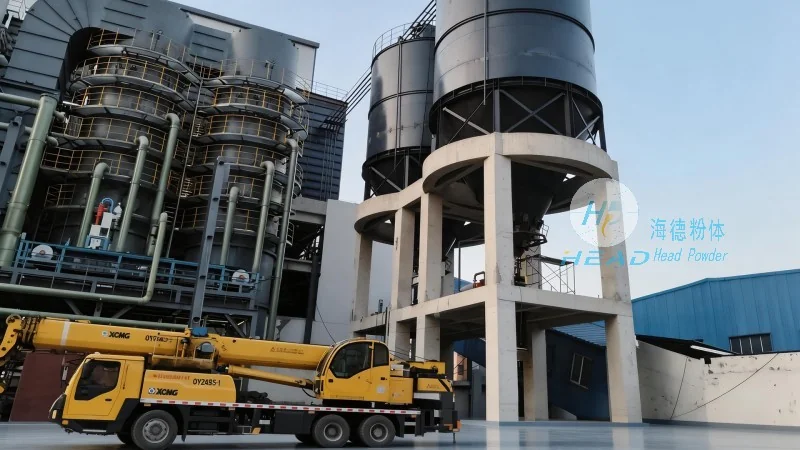
- Storage Silos: Large storage vessels designed to hold the desulfurization and denitrification agents in bulk. These silos are often equipped with agitators to prevent caking or settling of the material, ensuring consistent flow.
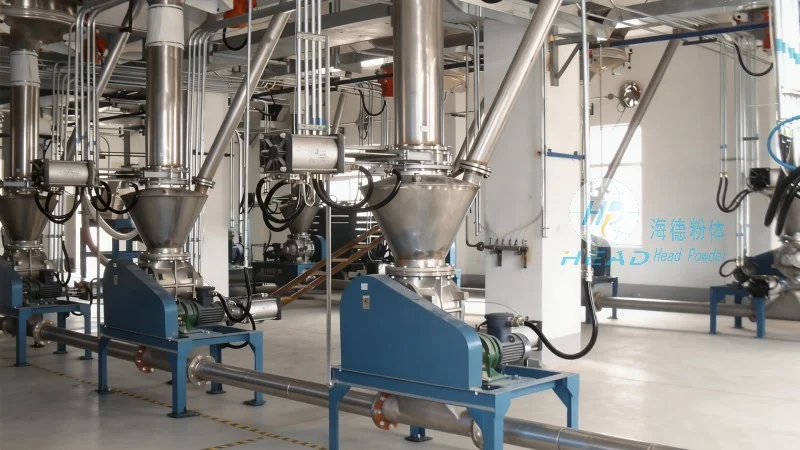
- Pneumatic Conveying Systems: Systems that use air or gas to transport the agents from the storage silos to the application points. Pneumatic conveyors are ideal for handling powders and fine particles, providing a dust-free and efficient method of transport.
- Pumps and Feeders: Equipment used to move the agents from the storage or conveying system to the injection points. Pumps, such as metering pumps or screw feeders, ensure precise control over the flow rate and dosage, which is critical for maintaining optimal performance in the desulfurization and denitrification processes.
- Control Systems: Advanced control systems that monitor and regulate the entire material handling process. These systems use sensors and automation to adjust flow rates, pressure, and other parameters in real-time, ensuring the system operates within safe and efficient limits.
Design Principles for Efficient Material Handling
The design of a desulfurization and denitrification agent material handling system follows several fundamental principles to ensure reliability and performance. These principles include:
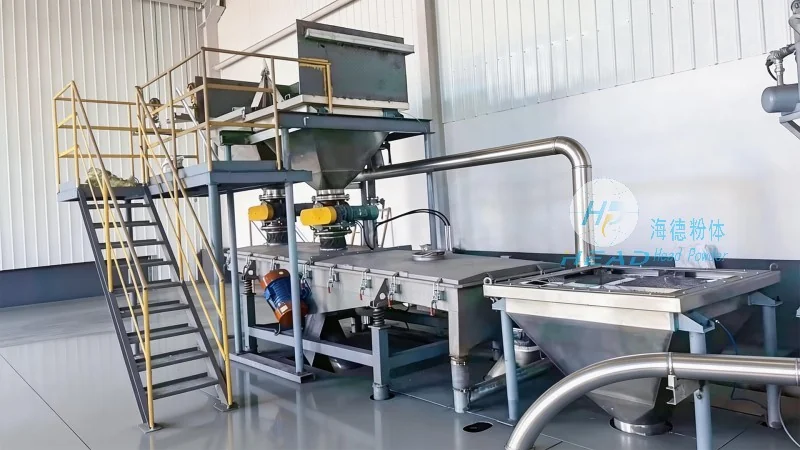
- Material Compatibility: The system components must be compatible with the chemical and physical properties of the desulfurization and denitrification agents. This includes selecting materials that resist corrosion, abrasion, and chemical attack, such as stainless steel or specialized alloys.
- Flow Optimization: The design focuses on minimizing friction and resistance in the system to ensure smooth and consistent flow of the agents. This involves proper sizing of pipes, ducts, and components, as well as the use of flow aids like vibrators or air knives to prevent blockages.
- Safety and Environmental Protection: The system is designed with safety in mind, incorporating features such as explosion-proof components, dust collection systems, and emergency shut-off valves. These measures protect both personnel and the environment from potential hazards associated with the handling of these agents.
- Scalability and Flexibility: The system is designed to be scalable, allowing for future expansion or adaptation to changing process requirements. Flexibility is also key, enabling the system to handle different types of agents or adjust to varying operational conditions without major modifications.
Benefits of Advanced Material Handling Systems
Implementing an advanced material handling system for desulfurization and denitrification agents offers several benefits to industrial operations. These include:
- Improved Efficiency: Precise control over flow rates and dosage leads to better performance in the desulfurization and denitrification processes, reducing energy consumption and operational costs.
- Enhanced Reliability: Robust design and advanced control systems minimize downtime and ensure consistent operation, even under varying conditions.
- Reduced Maintenance: The use of high-quality materials and efficient design reduces the need for frequent maintenance, lowering long-term operational costs.
- Environmental Compliance: By ensuring accurate and consistent application of the agents, the system helps maintain compliance with environmental regulations, avoiding penalties and reputational damage.
Conclusion
Desulfurization and denitrification agent material handling systems are critical components of modern industrial emissions control. The design principles and components of these systems are carefully engineered to ensure efficient, safe, and reliable operation. Companies like Shandong HeadPowder Engineering Co., Ltd. play a vital role in providing advanced solutions that meet the evolving needs of industrial applications, contributing to cleaner air and sustainable operations.

 Shandong Headpowder Engineering Co., Ltd.
 156-6277-7102(Manager Zhang)
  0531-83386006
  Zhangqiu District, Jinan City, Shandong Province, China