With more than 10‑year industry experience, Shandong Headpowder delivers full‑service pneumatic‑conveying systems and blowers, undertaking nationwide turn‑key powder‑handling projects.
Understanding the operational principles of copper oxide pneumatic conveying equipment is crucial for optimizing material handling processes in industrial settings. This equipment is specifically designed to transport copper oxide powder efficiently and safely, leveraging pneumatic technology to achieve seamless material movement between different stages of production or storage.
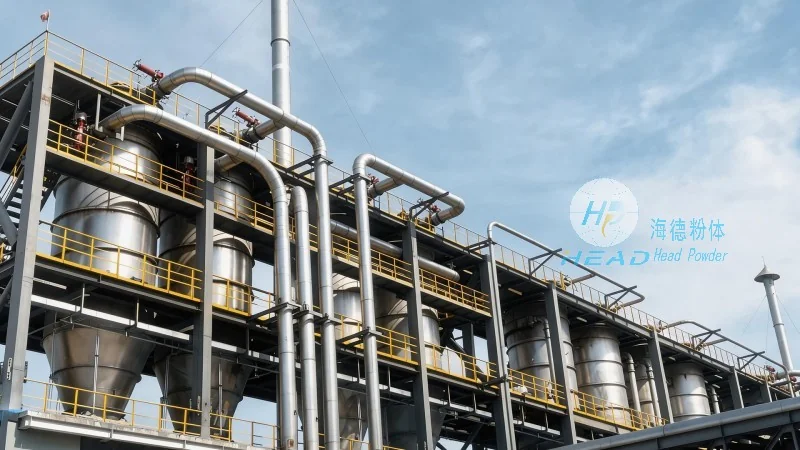
The fundamental principle behind copper oxide pneumatic conveying equipment involves the use of compressed air or gas to create a flow that propels the solid particles through a pipeline. This method, known as pneumatic conveying, eliminates the need for mechanical components like belts or screws, reducing maintenance requirements and minimizing the risk of material contamination. The system typically operates by introducing the copper oxide powder into a hopper or feeder, where it is then drawn into the conveying line by the moving air stream. The air velocity is carefully controlled to ensure that the particles remain suspended and transported without settling or clogging the pipeline.
Several critical components work in tandem to ensure the effective operation of copper oxide pneumatic conveying equipment. The primary components include the hopper or feeder, which stores and feeds the copper oxide powder into the system; the conveying line, which is a sealed pipeline that transports the material; the air supply system, which provides the necessary compressed air or gas; and the control valves and regulators that manage the air flow and pressure. Each component plays a vital role in maintaining the stability and efficiency of the conveying process. For instance, the hopper is designed to prevent material bridging and ensure a consistent feed rate, while the conveying line is constructed from materials resistant to corrosion, such as stainless steel, to accommodate the chemical properties of copper oxide. The air supply system is equipped with filters and moisture separators to ensure the air quality is suitable for transporting the powder without causing degradation or clogging.
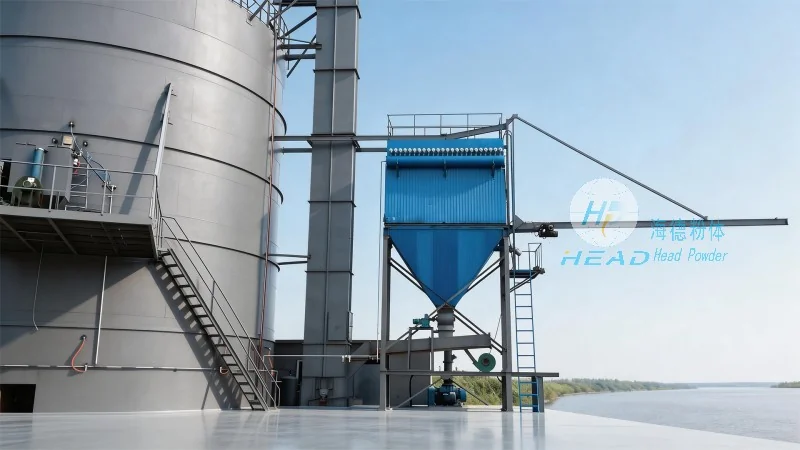
Employing pneumatic conveying technology for copper oxide offers numerous advantages over traditional mechanical conveying methods. One of the most significant benefits is the ability to handle fine powders without the risk of particle degradation or agglomeration, which can occur with mechanical systems. This is particularly important for copper oxide, as its fine particle size makes it susceptible to clumping and loss of quality during handling. Additionally, pneumatic conveying systems are highly flexible, allowing for changes in material flow rates and direction without the need for extensive reconfiguration. They also provide better control over the material's environment, such as temperature and humidity, which can be critical for maintaining the quality of copper oxide, especially in applications where the powder is used in sensitive processes like chemical synthesis or metallurgy.
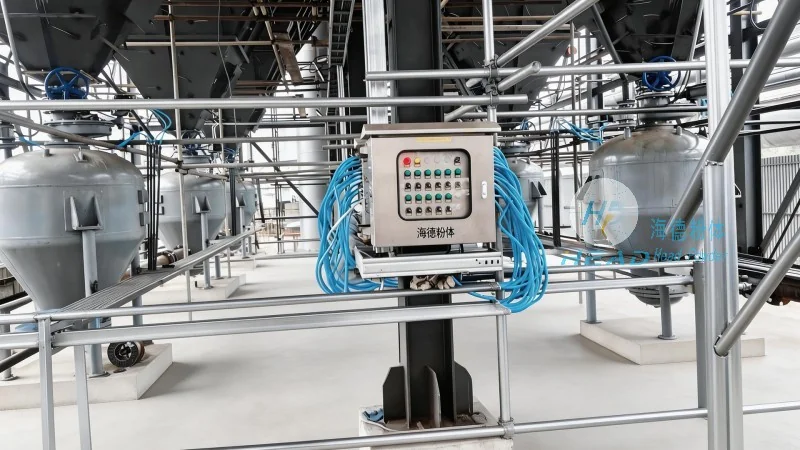
Copper oxide pneumatic conveying equipment is widely used in various industrial applications, including the mining and processing of copper ores, the production of copper-based compounds, and the handling of copper oxide in chemical and metallurgical plants. In these scenarios, the equipment is typically integrated into larger production lines to ensure a continuous and efficient supply of copper oxide to downstream processes. Operational considerations for these systems include maintaining proper air pressure and flow rates to prevent blockages or under-conveying, regular maintenance of components like filters and valves to ensure optimal performance, and monitoring the system for any signs of wear or degradation that could affect material quality or system efficiency. Proper training of operators and adherence to safety protocols are also essential to prevent accidents and ensure the safe operation of the equipment.
In conclusion, copper oxide pneumatic conveying equipment operates on the principle of using compressed air to transport fine copper oxide powder efficiently and safely. The system's design, which includes key components like hoppers, conveying lines, and air supply systems, is optimized to handle the specific properties of copper oxide, ensuring minimal degradation and maximum efficiency. Companies like Shandong HeadPowder Engineering Co., Ltd., with its expertise in engineering and manufacturing such equipment, play a vital role in providing reliable solutions for industries that rely on copper oxide in their production processes. Based in China, this company specializes in delivering high-quality pneumatic conveying systems tailored to the unique needs of their clients, helping to enhance productivity and safety in material handling operations.

 Shandong Headpowder Engineering Co., Ltd.
 156-6277-7102(Manager Zhang)
  0531-83386006
  Zhangqiu District, Jinan City, Shandong Province, China
telephone
WeChatconsult
top