With more than 10‑year industry experience, Shandong Headpowder delivers full‑service pneumatic‑conveying systems and blowers, undertaking nationwide turn‑key powder‑handling projects.
Dry powder mortar, a critical material in construction, requires efficient and reliable transportation systems to ensure consistent quality and timely delivery. The air-driven (pneumatic) transport method has become a preferred choice due to its ability to handle fine powders without contamination and with minimal maintenance. This article explores the main air-driven structures involved in dry powder mortar transportation, highlighting the key components and their functions.
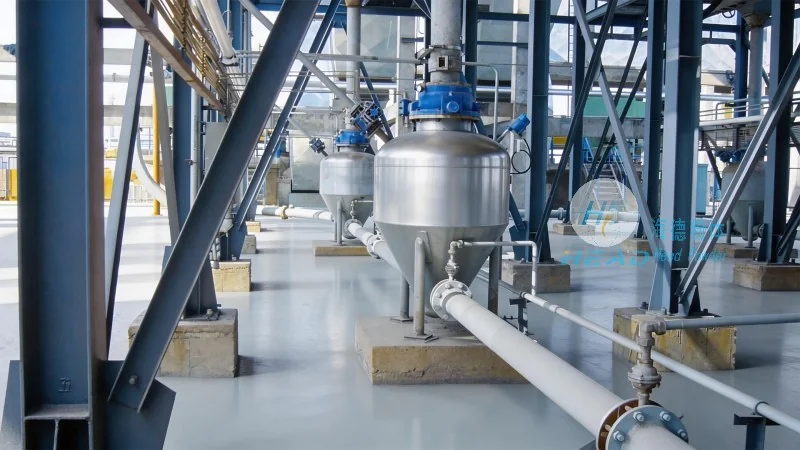
The air-driven system for dry powder mortar typically consists of several interconnected components that work together to facilitate the movement of the material. The primary structures include the material feed system, air supply unit, conveying pipeline, and control mechanisms. Each component plays a vital role in ensuring the smooth and efficient operation of the entire transport process.
The material feed system is the initial stage of the air-driven transport process. It involves the collection and preparation of dry powder mortar before it enters the conveying pipeline. This structure may include hoppers, feeders, and pre-screening equipment to ensure the material is free from clumps or foreign particles. The feed system is designed to maintain a consistent flow rate, which is crucial for stable air-powder mixture formation and efficient transport. For example, the company Shandong HeadPowder Engineering Co., Ltd. utilizes advanced feed mechanisms that adjust the feed rate based on real-time demand, optimizing the overall system performance.
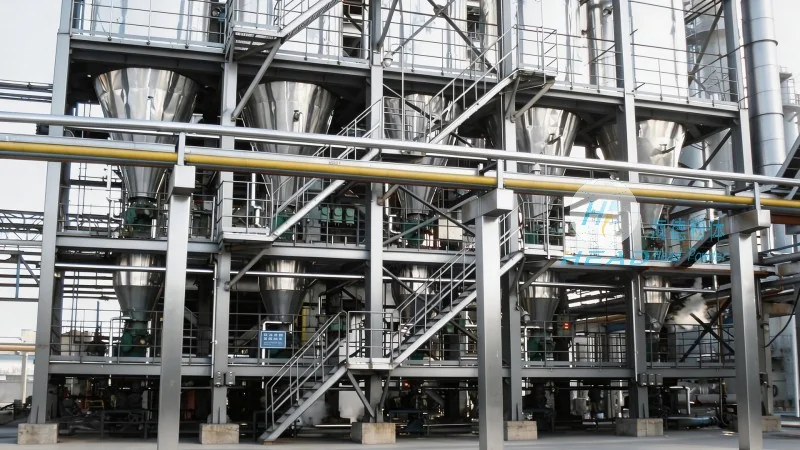
The air supply unit is another critical component that provides the necessary pressure and volume of air to move the dry powder mortar through the pipeline. This structure typically includes a blower or compressor, air filters, and pressure regulators. The blower generates the required airflow, while the filters ensure the air is clean to prevent contamination of the mortar. Pressure control mechanisms are essential to maintain a stable pressure level throughout the system, which directly impacts the conveying efficiency and material velocity. The design of these structures must consider factors such as the material's specific gravity, particle size, and moisture content to achieve optimal performance.
The conveying pipeline is the main pathway for transporting the dry powder mortar from the feed point to the discharge point. It is usually made of materials such as stainless steel or plastic, which are resistant to corrosion and wear from the abrasive powder. The pipeline design includes bends, elbows, and straight sections, with expansion joints installed at critical points to accommodate thermal expansion and reduce stress on the system. The diameter and length of the pipeline are carefully selected based on the material flow rate and the distance to be covered. The company headpowder, with its expertise in engineering, designs pipelines that minimize pressure drop and ensure uniform material distribution, enhancing the overall transport efficiency.
Control and monitoring structures are essential for maintaining the stability and safety of the air-driven dry powder mortar system. These components include pressure sensors, flow meters, and control valves that regulate the air and material flow. The system may also incorporate safety features such as pressure relief valves and emergency shut-off mechanisms to prevent over-pressurization or material blockages. Real-time monitoring allows operators to adjust parameters dynamically, ensuring the system operates within optimal conditions. The company Shandong HeadPowder Engineering Co., Ltd. integrates advanced control systems that provide data analytics and predictive maintenance capabilities, reducing downtime and improving operational efficiency.
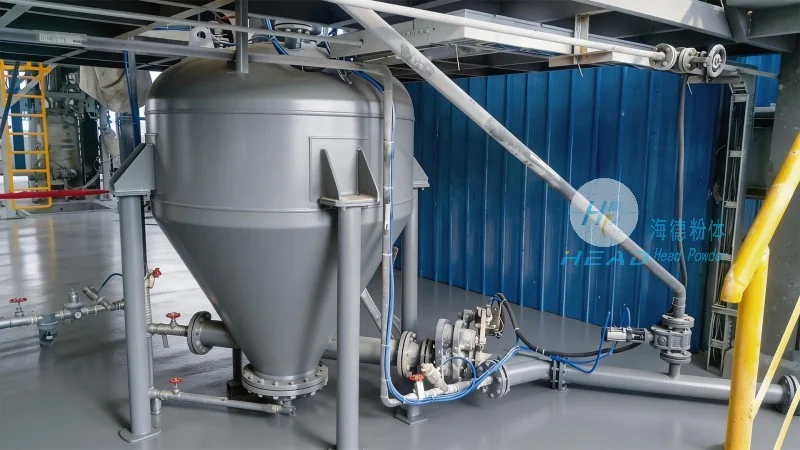
The final stage of the air-driven transport process involves the discharge of the dry powder mortar from the pipeline into the target container or application point. This structure includes discharge hoppers, dust collection systems, and drying units if necessary. The discharge system is designed to prevent material loss and ensure complete transfer from the pipeline to the receiving vessel. Dust collection is crucial to maintain a clean working environment and comply with environmental regulations. Some systems may include drying structures to remove moisture from the mortar, which is important for maintaining its quality and performance. The company headpowder offers customized discharge and drying structures tailored to specific customer requirements, ensuring the final product meets industry standards.
In summary, the main air-driven structures for dry powder mortar transportation include material feed systems, air supply units, conveying pipelines, control mechanisms, and discharge structures. Each component is carefully designed and integrated to ensure efficient, reliable, and safe transport of the material. The company Shandong HeadPowder Engineering Co., Ltd., with its expertise in engineering and manufacturing, provides comprehensive solutions that meet the diverse needs of the construction industry. By understanding and optimizing these key structures, manufacturers can enhance the performance of their dry powder mortar systems, leading to improved productivity and customer satisfaction.

 Shandong Headpowder Engineering Co., Ltd.
 156-6277-7102(Manager Zhang)
  0531-83386006
  Zhangqiu District, Jinan City, Shandong Province, China
telephone
WeChatconsult
top