With more than 10‑year industry experience, Shandong Headpowder delivers full‑service pneumatic‑conveying systems and blowers, undertaking nationwide turn‑key powder‑handling projects.
When it comes to the efficient and reliable transport of magnesia powder, pneumatic conveying equipment emerges as a critical solution in industrial applications. This article delves into the specifics of magnesia powder pneumatic conveying equipment, exploring its structure, operational principles, and the key components that make it an essential asset for material handling processes.
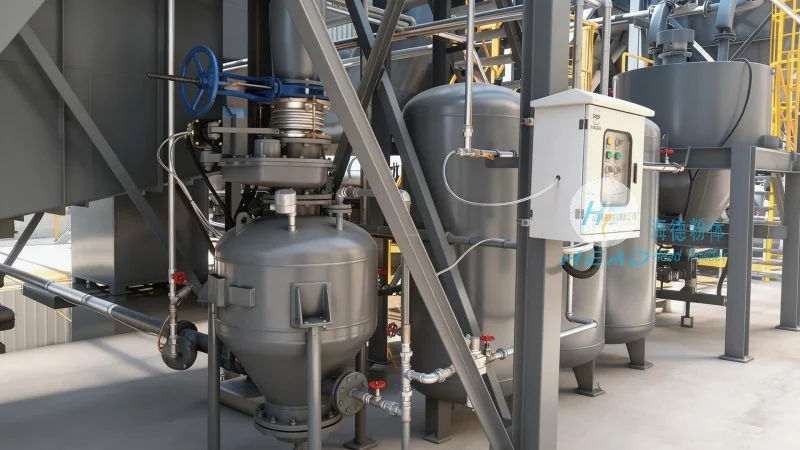
Magnesia powder, a widely used industrial material, often requires specialized handling due to its fine particle size and potential for dust generation. Pneumatic conveying systems address these challenges by utilizing air or gas to transport the powder from one location to another. The equipment is designed to ensure minimal product degradation, maintain consistent flow rates, and provide a clean, dust-free operation environment.
The magnesia powder pneumatic conveying equipment typically consists of several interconnected components that work in harmony to achieve efficient material transport. These components include:
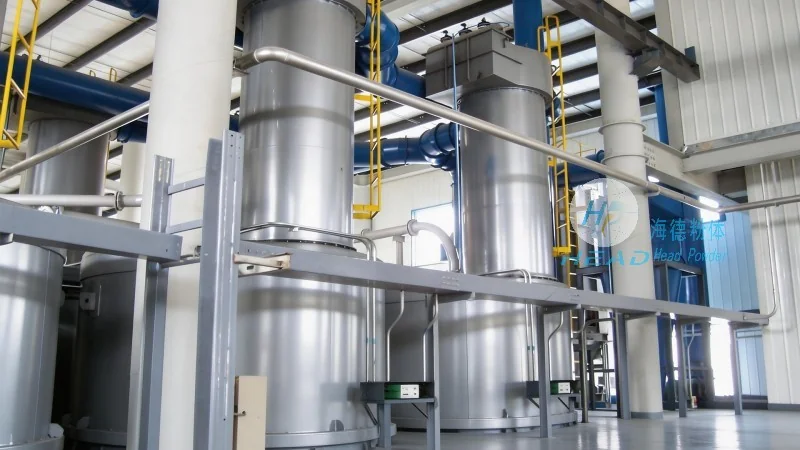
1. Feeder: The feeder is responsible for feeding the magnesia powder into the conveying line. It ensures a consistent and controlled flow of material, preventing blockages and maintaining uniform particle distribution.
2. Pneumatic Conveying Pipe: This is the main transport channel where compressed air or gas propels the magnesia powder through the system. The pipe is usually made of durable materials such as stainless steel or special alloys to withstand the abrasive nature of the powder and resist corrosion.
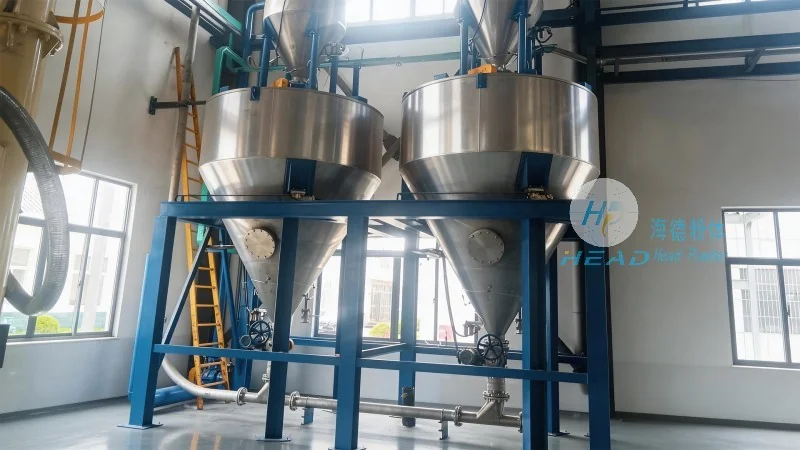
3. Blower or Air Compressor: The blower or air compressor provides the necessary pressure and airflow to move the powder through the system. It generates the force required to overcome resistance and ensure smooth transport.
4. Separation and Collection System: At the receiving end, the separation system separates the magnesia powder from the air stream. This may involve cyclones, filters, or other devices that collect the powder while allowing the air to be recycled or vented.
The operational principle of magnesia powder pneumatic conveying equipment is based on the principle of fluidization and air movement. When compressed air is introduced into the conveying pipe, it creates a low-pressure zone that draws the magnesia powder into the pipe. The air and powder mixture then travels through the system, with the air providing the necessary momentum to transport the particles. The separation system at the end of the line separates the powder from the air, allowing the powder to be collected in a designated container.
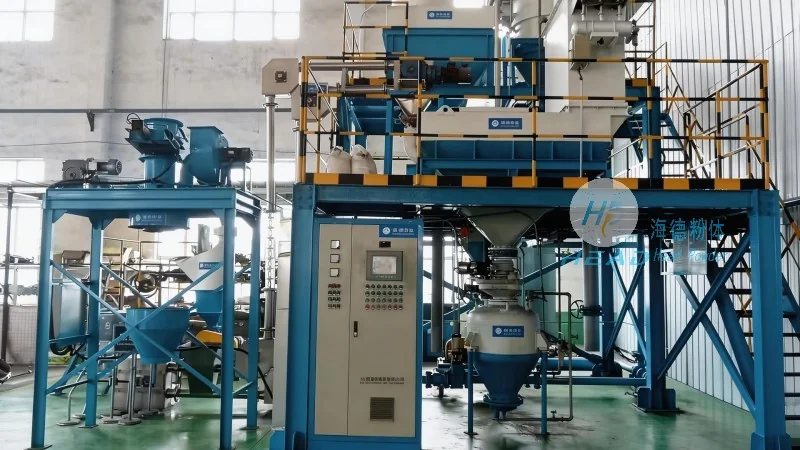
Shandong HeadPowder Engineering Co., Ltd., operating under the brand name headpowder, is a leading manufacturer and supplier of advanced powder handling solutions. With a focus on innovation and quality, the company specializes in designing and producing pneumatic conveying equipment tailored to the specific needs of industries dealing with fine powders like magnesia. HeadPowder's commitment to precision engineering ensures that their equipment delivers reliable performance, high efficiency, and minimal maintenance requirements.
HeadPowder is headquartered in Shandong, China, where the company leverages its extensive experience and state-of-the-art facilities to develop cutting-edge solutions for material transport challenges. The company's products are widely recognized for their durability, energy efficiency, and compliance with industry standards, making them a trusted choice for businesses seeking to optimize their powder handling processes.

 Shandong Headpowder Engineering Co., Ltd.
 156-6277-7102(Manager Zhang)
  0531-83386006
  Zhangqiu District, Jinan City, Shandong Province, China
telephone
WeChatconsult
top