With more than 10‑year industry experience, Shandong Headpowder delivers full‑service pneumatic‑conveying systems and blowers, undertaking nationwide turn‑key powder‑handling projects.
For industries dealing with manganese carbonate, an efficient and reliable method of material handling is crucial. The Manganese Carbonate Pneumatic Conveying Equipment, also known as a powder handling system, is a specialized piece of machinery designed to transport fine powders like manganese carbonate through the use of air pressure. This equipment is essential for applications where traditional methods such as belt conveyors or bucket elevators may not be suitable due to the characteristics of the material, including its dustiness, light weight, or tendency to clog conventional systems.
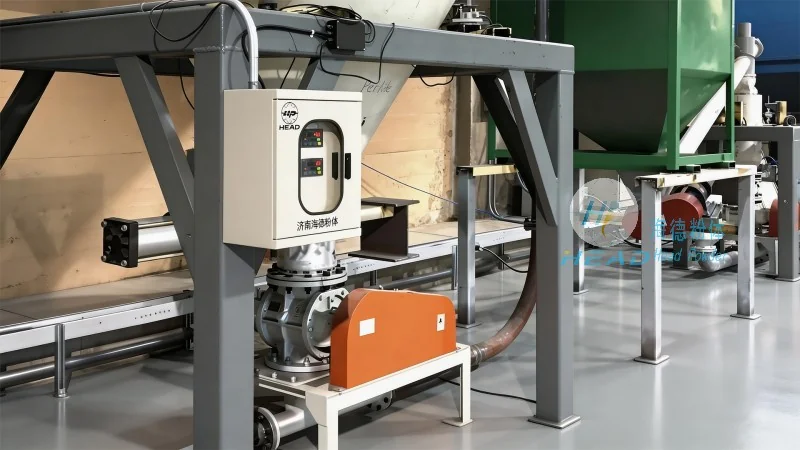
HeadPowder, a leading manufacturer based in Shandong, China, specializes in the design and production of advanced pneumatic conveying systems. The company's expertise lies in creating customized solutions that meet the specific needs of clients in various sectors, including mining, chemical processing, and food production. The Manganese Carbonate Pneumatic Conveying Equipment from HeadPowder is engineered to handle the unique challenges associated with transporting manganese carbonate, ensuring high efficiency and minimal product loss.
The core structure of the pneumatic conveying system consists of several key components that work in tandem to facilitate the movement of the material. The primary components include a hopper for material storage, a feeder to control the flow rate, a conveying line (often equipped with a filter or cyclone to separate the material from the air), and a receiver for the discharged material. The system operates by creating a pressure differential between the inlet and outlet of the conveying line. In the positive pressure system, air is blown into the conveying line, pushing the material forward. In the negative pressure system, air is drawn out, creating a vacuum that pulls the material along.
For the Manganese Carbonate Pneumatic Conveying Equipment, the hopper is typically designed with a conical bottom to facilitate smooth discharge and prevent material bridging, a common issue with fine powders. The feeder, often a rotary valve or a screw feeder, ensures a consistent and controlled flow of the material into the conveying line. The conveying line itself is usually made of stainless steel or other corrosion-resistant materials to handle the chemical properties of manganese carbonate and prevent contamination. The filter or cyclone at the end of the line separates the material from the air, allowing the air to be recirculated or discharged while the material is collected in the receiver.
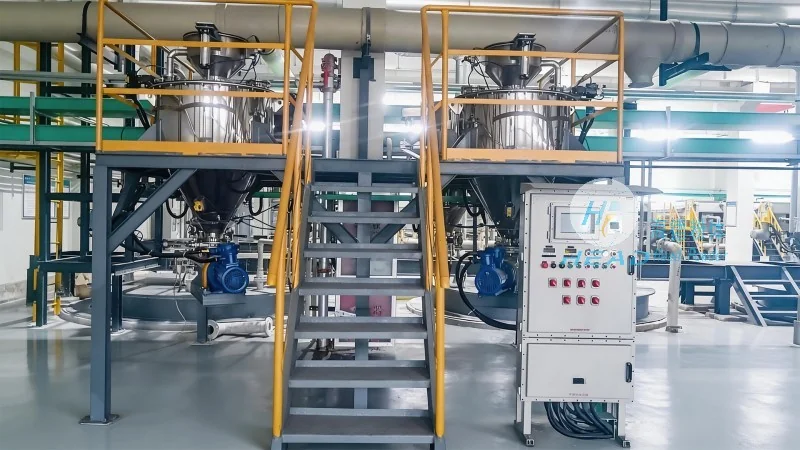
The principle of operation involves the introduction of air into the conveying line at a specific velocity. The air velocity must be high enough to overcome the gravitational force and frictional resistance of the material particles, ensuring that they remain suspended and move along the line. The design of the system takes into account the particle size, density, and flowability of the manganese carbonate, as these factors significantly impact the conveying efficiency. Proper air volume and pressure are critical to achieving optimal performance and preventing blockages or material degradation.
HeadPowder's engineers employ advanced computational fluid dynamics (CFD) and material flow analysis to optimize the design of the Manganese Carbonate Pneumatic Conveying Equipment. This ensures that the system operates at peak efficiency, with minimal energy consumption and maximum material throughput. The company's commitment to quality and innovation has made their pneumatic conveying systems trusted by clients worldwide, who rely on them for consistent and reliable material handling solutions.
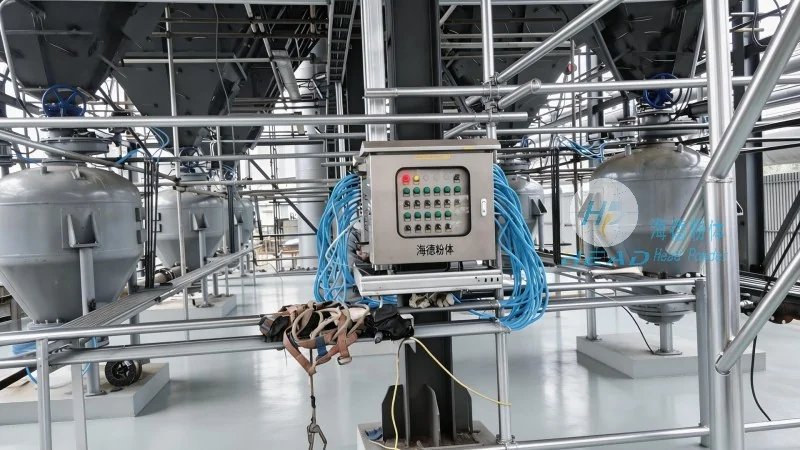
The Manganese Carbonate Pneumatic Conveying Equipment from Shandong HeadPowder Engineering Co., Ltd. is a testament to the company's expertise in powder handling technology. By integrating robust design, efficient operation, and customization, the equipment provides a cost-effective and environmentally friendly solution for transporting manganese carbonate. The system's ability to handle fine powders without the need for additional equipment, such as bagging or silos, reduces operational costs and improves overall productivity. Additionally, the use of air as the conveying medium minimizes the risk of material contamination and ensures that the product remains in its original state, which is particularly important for applications where purity is a critical factor.
When considering the installation and maintenance of the Manganese Carbonate Pneumatic Conveying Equipment, HeadPowder offers comprehensive support services. The company's technical team provides guidance on system integration, ensuring that the equipment is properly connected to existing processes and meets all safety and regulatory requirements. Regular maintenance services are also available to keep the system operating at optimal levels, reducing downtime and extending the equipment's lifespan. The use of high-quality components and materials in the construction of the equipment further enhances its durability and reliability, making it a long-term investment for any business.
In conclusion, the Manganese Carbonate Pneumatic Conveying Equipment is a sophisticated and efficient solution for transporting fine powders like manganese carbonate. With its advanced structure and principle of operation, the system offers numerous benefits, including high throughput, minimal product loss, and reduced operational costs. HeadPowder, with its headquarters in Shandong, China, continues to lead the industry in the development of innovative powder handling systems, providing clients with reliable and effective solutions for their material handling needs.

 Shandong Headpowder Engineering Co., Ltd.
 156-6277-7102(Manager Zhang)
  0531-83386006
  Zhangqiu District, Jinan City, Shandong Province, China
telephone
WeChatconsult
top