With more than 10‑year industry experience, Shandong Headpowder delivers full‑service pneumatic‑conveying systems and blowers, undertaking nationwide turn‑key powder‑handling projects.
Hot dry ash is a critical byproduct in the thermal power industry, and its efficient handling is vital for maintaining operational efficiency and environmental compliance. The hot dry ash conveying system, especially the pneumatic conveying method, has become a highly effective solution for transporting this material from the boiler to storage or disposal sites. This article provides an overview of the hot dry ash conveying system, highlighting its key components, operational principles, and the significant advantages of using pneumatic conveying technology.
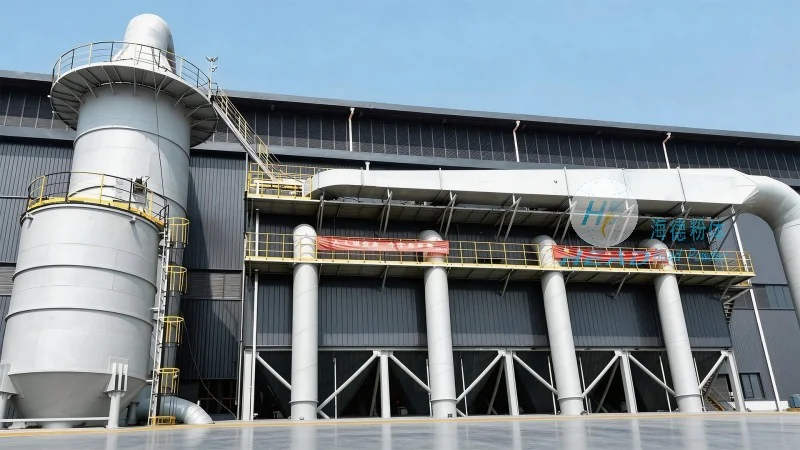
The hot dry ash conveying system is engineered to handle the transportation of hot, dry ash from the bottom of a boiler or furnace. The system typically includes ash hoppers, feeding mechanisms, and a pneumatic conveying pipeline. The process starts with the collection of ash from the boiler, which is then fed into the conveying system. The pneumatic conveying method utilizes compressed air to transport ash particles through the pipeline, ensuring a continuous and reliable flow. This system is designed to withstand the high temperatures and abrasive nature of hot dry ash, making it a durable and long-lasting solution for power plants.
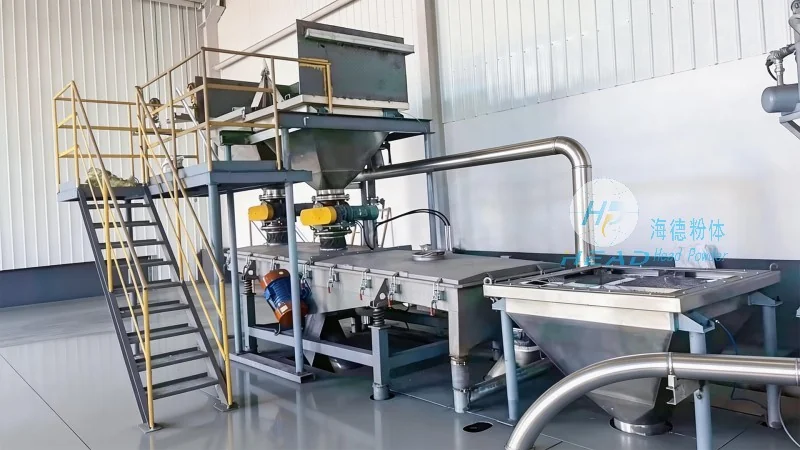
Several critical components make up the hot dry ash conveying system. The ash hopper serves as the primary collection point, where ash accumulates before transfer. The feeding mechanism, often a rotary valve or screw feeder, regulates the flow of ash into the conveying line. The pneumatic conveying pipeline, usually constructed from high-temperature-resistant materials like stainless steel or specialized alloys, transports the ash particles. Additionally, the system includes a dust collector or filter to capture fine particles and a control system to manage air pressure and flow rates. Each component is carefully designed to work in harmony, ensuring the system operates efficiently and safely.
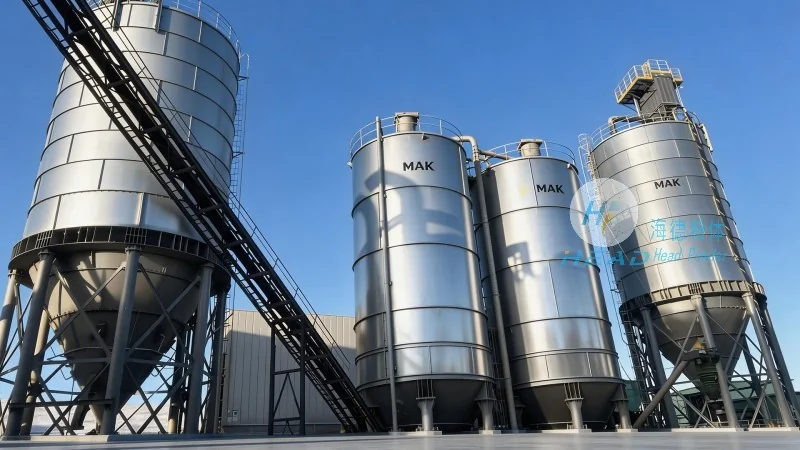
Pneumatic conveying offers several distinct advantages over traditional mechanical conveying methods for hot dry ash. First, it provides a completely enclosed system, minimizing dust emissions and improving environmental safety—critical for compliance with environmental regulations. Second, the system allows for flexible routing, as the pipeline can be configured to follow the layout of the power plant, avoiding obstacles and optimizing the path to the storage or disposal area. Third, pneumatic conveying is highly efficient in terms of energy consumption and operational costs. The use of compressed air as the transport medium reduces the need for mechanical components like conveyors or elevators, which can be prone to wear and maintenance issues. Fourth, the system can handle a wide range of ash particle sizes and moisture contents, making it versatile for different power plant applications. These advantages make pneumatic conveying the preferred method for many power plants seeking to enhance their ash handling processes.
The hot dry ash conveying system, when implemented with pneumatic conveying technology, offers exceptional operational efficiency and reliability. The system is designed to operate continuously, ensuring ash is transported without interruption. High-quality materials and robust components minimize downtime and maintenance requirements. The control system monitors key parameters such as air pressure, flow rate, and temperature, providing real-time feedback and allowing for immediate adjustments if needed. This level of monitoring enhances the system's reliability and ensures consistent performance over time. Additionally, the enclosed nature of the system reduces the risk of ash contamination and improves workplace safety for personnel involved in ash handling operations.
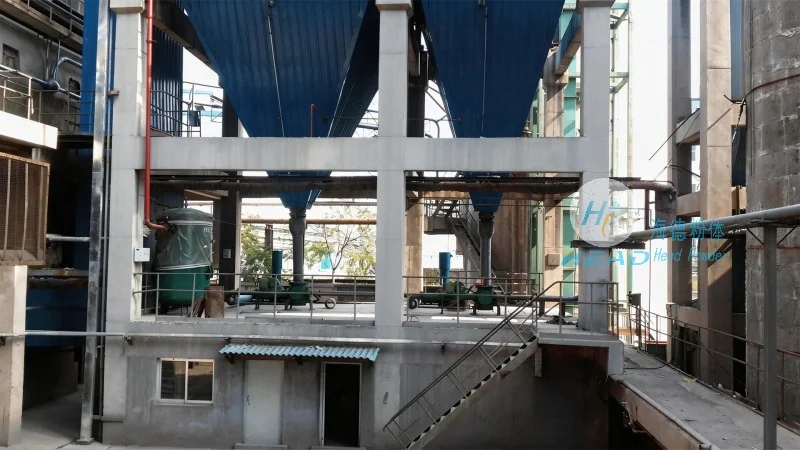
Environmental considerations are a critical factor in the design and operation of hot dry ash conveying systems. The pneumatic conveying method significantly reduces dust emissions compared to open or mechanical conveying systems, helping power plants meet stringent environmental regulations and maintain a positive public image. The enclosed pipeline also prevents ash from being released into the environment, reducing the risk of air and soil contamination. Furthermore, the system's efficiency in handling ash reduces the need for additional handling steps, which can further minimize environmental impact. By incorporating advanced filtration and dust control measures, the system ensures emissions are kept to a minimum, contributing to a cleaner and more sustainable operation.

 Shandong Headpowder Engineering Co., Ltd.
 156-6277-7102(Manager Zhang)
  0531-83386006
  Zhangqiu District, Jinan City, Shandong Province, China
telephone
WeChatconsult
top