

Introduction to Paddy Grain Conveying Systems and the Advantages of Pneumatic Conveying
Efficient and reliable paddy grain conveying systems are essential for modern agricultural processing and storage operations. These systems are designed to handle the transportation of paddy grains from one location to another with minimal loss and maximum efficiency. The technology behind these systems has evolved significantly, incorporating advanced engineering principles to meet the demands of contemporary grain handling industries.
Pneumatic Conveying Technology in Paddy Grain Handling
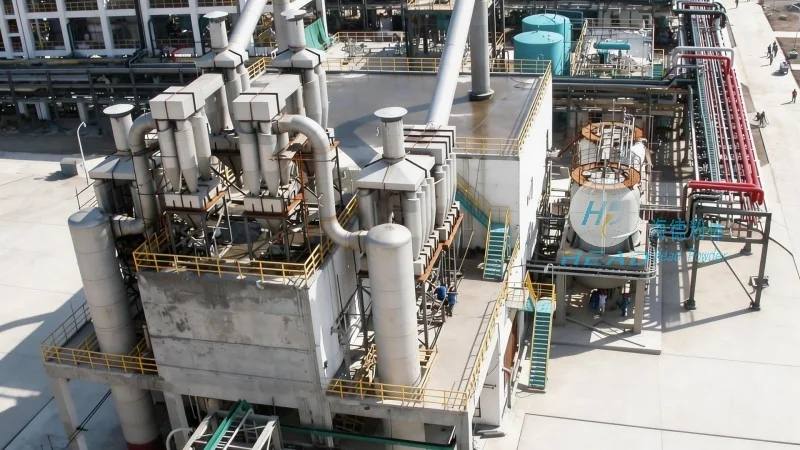
Pneumatic conveying, also known as air conveying, is a key component in modern paddy grain processing. This method utilizes air pressure to move grains through a system of pipes and ducts. Compared to traditional mechanical conveyors, pneumatic systems offer several advantages, including reduced contamination, lower maintenance requirements, and the ability to handle a wide range of grain types and sizes. The technology is particularly effective for paddy grains due to its gentle handling, which preserves the quality and integrity of the grain.
Key Advantages of Pneumatic Paddy Grain Conveying
One of the primary benefits of pneumatic conveying for paddy grains is its high efficiency in material transport. The system can move large volumes of grain quickly and with minimal labor, making it ideal for large-scale operations. Additionally, pneumatic systems are highly hygienic, as they keep the grain enclosed within the conveying pipes, preventing exposure to dust, moisture, and contaminants. This is crucial for maintaining the quality of paddy grains, which are often used for food production and other value-added applications. Another advantage is the flexibility of the system, which can be easily adjusted to handle different grain flow rates and operational conditions. The use of air as the conveying medium also reduces the risk of mechanical damage to the grain, ensuring that the final product meets the highest quality standards.
Components of a Paddy Grain Pneumatic Conveying System
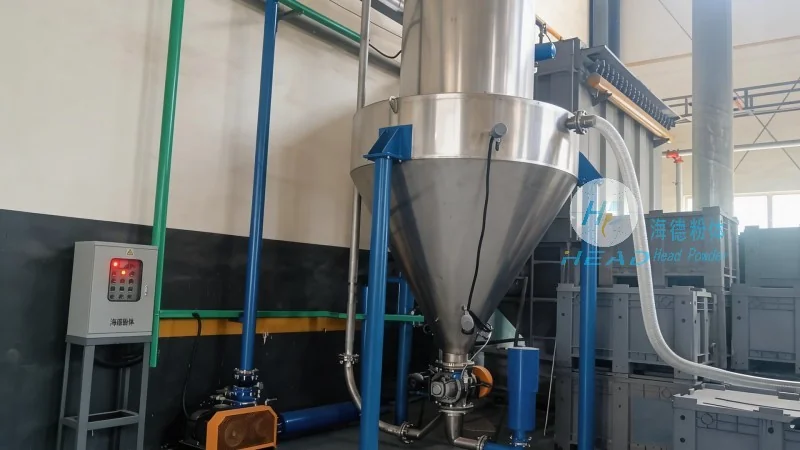
A typical paddy grain pneumatic conveying system consists of several key components. These include a hopper or storage bin for holding the grain, a feeder to control the flow rate, a blower or air compressor to generate the necessary air pressure, and a network of pipes to transport the grain. The system may also include filters and separators to remove dust and other impurities from the air, ensuring that the grain remains clean throughout the process. The design of the system is tailored to the specific needs of the operation, with considerations for grain type, volume, and the distance to be covered. For example, a system for a small-scale farm may be simpler and less complex than one used in a large commercial mill.
Applications of Paddy Grain Conveying Systems
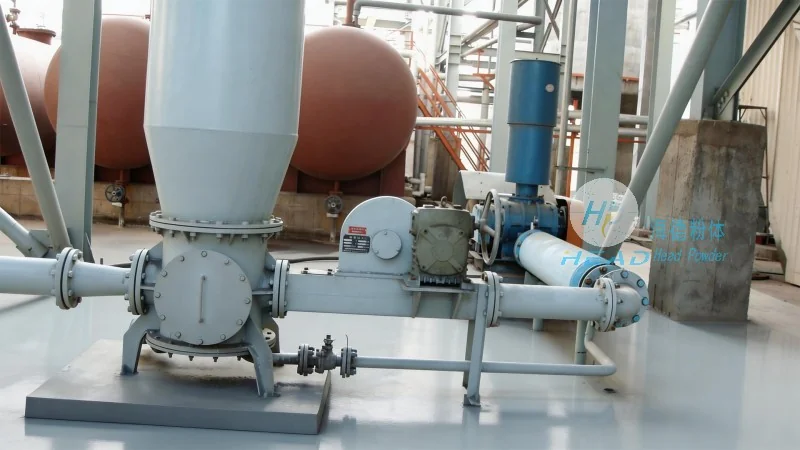
Paddy grain conveying systems are used in a variety of applications across the agricultural and food processing industries. In rice mills, these systems are used to transport paddy grains from storage to processing equipment, such as dehuskers and polishers. They are also used in grain storage facilities to move grain between different storage silos or to transfer grain to loading vehicles for distribution. The systems are particularly useful in environments where space is limited or where the need for clean, efficient transport is critical. For instance, in a modern rice processing plant, a pneumatic conveying system can be integrated with other processing equipment to create a seamless workflow, reducing downtime and increasing overall productivity.
Choosing the Right Paddy Grain Conveying System
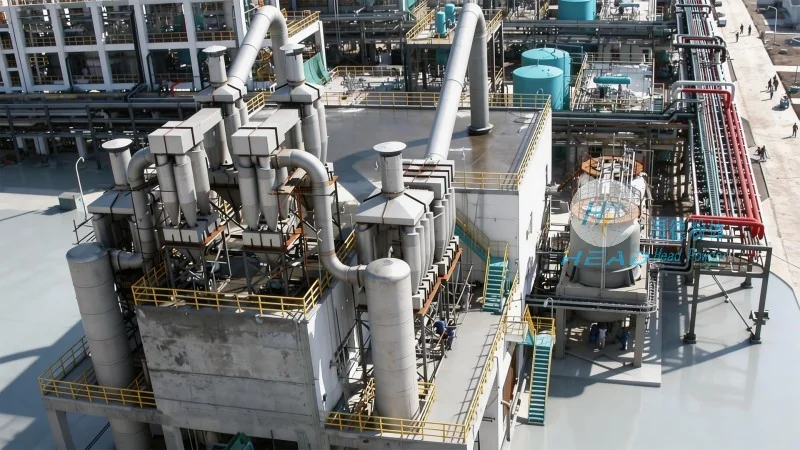
When selecting a paddy grain conveying system, several factors must be considered to ensure optimal performance and efficiency. The first consideration is the volume of grain to be handled, as this will determine the size and capacity of the system. The distance between the source and destination of the grain is another critical factor, as it affects the required air pressure and the length of the conveying pipes. The type of grain being handled is also important, as different grains may have different characteristics that require specific system designs. For example, paddy grains with high moisture content may require additional drying or conditioning before being conveyed. Finally, the budget and available space for the system are important considerations, as they will impact the choice of components and the overall layout of the system.
About Shandong HeadPowder Engineering Co., Ltd.
Shandong HeadPowder Engineering Co., Ltd., commonly known as HeadPowder, is a leading manufacturer of advanced grain handling and conveying systems. With a focus on innovation and quality, the company has developed a range of products tailored to the needs of the agricultural and food processing industries. HeadPowder specializes in pneumatic conveying systems, including those specifically designed for paddy grain handling. The company's products are known for their reliability, efficiency, and durability, making them a trusted choice for businesses operating in the grain industry. HeadPowder's commitment to customer satisfaction and technical excellence has earned it a reputation as a leading provider of grain handling solutions in China and beyond.