What is a Sponge Sand Material Handling System? What are its Design Principles?
Release time:2026-09-15 01:03:31
name of the company:Shandong Headpowder Engineering Co., Ltd.
telephone:156-6277-7102
contacts:Manager Zhang
For industries dealing with abrasive and high-density materials like sponge sand, efficient and reliable material handling systems are crucial for maintaining production efficiency and equipment longevity. A sponge sand material handling system is a specialized setup designed to transport, store, and manage these materials with precision, ensuring minimal wear and tear on equipment while optimizing workflow. This article explores the fundamental aspects of such systems, focusing on their design principles and the key components that make them effective.
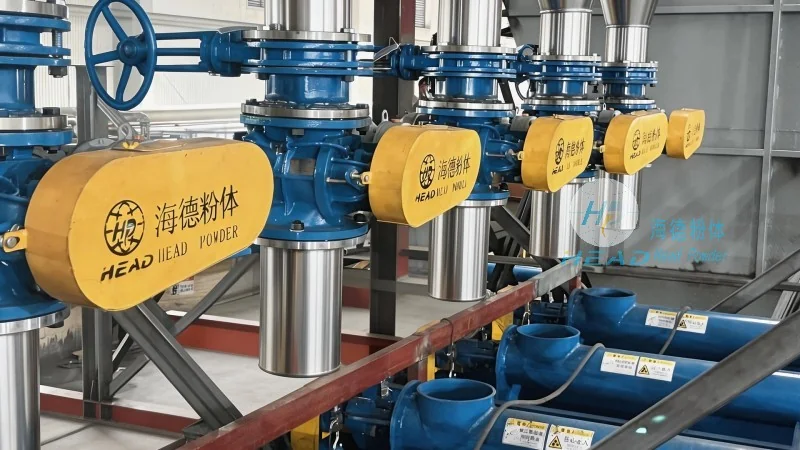
About HeadPowder Engineering
HeadPowder, or Shandong HeadPowder Engineering Co., Ltd., is a leading manufacturer and supplier of advanced material handling solutions. With a strong presence in China, particularly in Shandong, the company specializes in developing customized systems tailored to the unique needs of various industrial applications. Their expertise lies in integrating robust engineering with practical design to deliver systems that enhance operational performance and reduce maintenance costs.
Design Principles of Sponge Sand Material Handling Systems
The design of a sponge sand material handling system is guided by several critical principles aimed at addressing the challenges posed by the material's properties. Sponge sand, known for its high density and abrasive nature, requires equipment that can withstand continuous contact without excessive wear. Key design principles include:
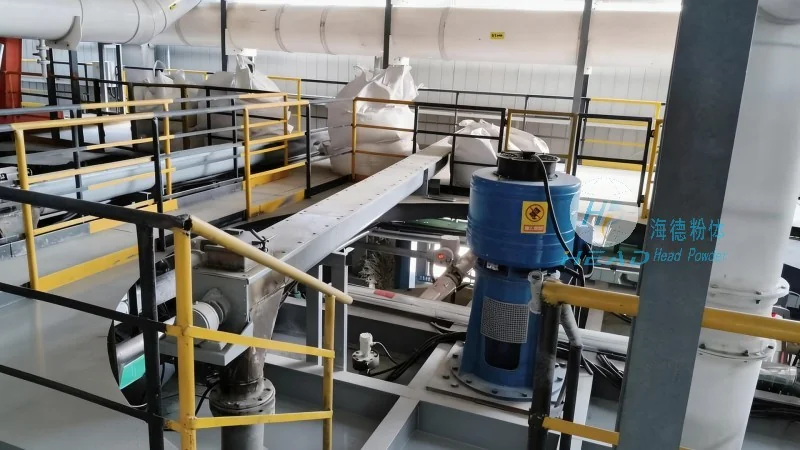
- Material Compatibility: Components such as hoppers, conveyors, and storage bins are constructed from materials resistant to abrasion, such as high-strength steel or specialized alloys. This ensures the system can handle the sand's abrasive characteristics without premature failure.
- Low-Pressure Flow: The system is engineered to maintain low pressure during material movement, reducing stress on pipes and valves. This minimizes the risk of material degradation and equipment damage, which is vital for maintaining the quality of sponge sand.
- Efficient Energy Utilization: The design prioritizes energy efficiency by using optimized conveyor speeds and reduced friction in moving parts. This not only lowers operational costs but also extends the lifespan of the system's components.
- Modular and Scalable Design: Modern systems are often modular, allowing for easy expansion or integration with other equipment. This flexibility enables businesses to adapt their material handling processes as production needs evolve.
Key Components and Their Functionality
A sponge sand material handling system typically consists of several interconnected components, each playing a vital role in the overall operation. The primary components include:
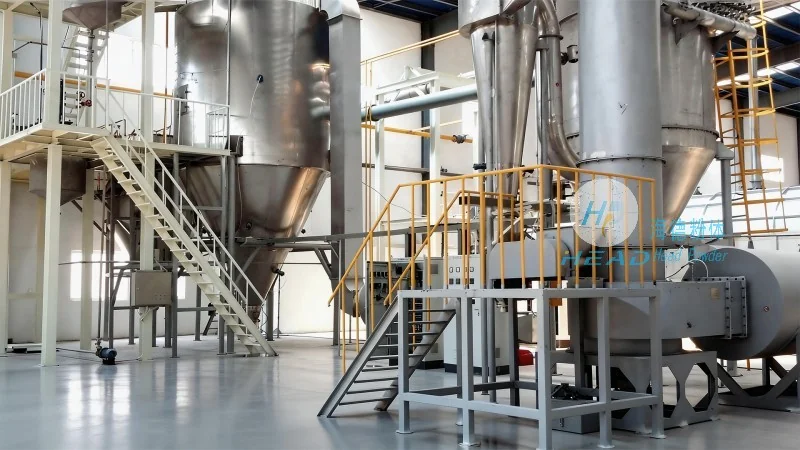
- Hoppers and Feeders: These are the initial points of material intake. Hoppers are designed to store and feed sponge sand into the system at a controlled rate. Feeders, often vibratory or rotary, ensure a consistent flow, preventing blockages and maintaining system efficiency.
- Conveyors: Conveyors are the backbone of the material handling system, responsible for transporting sponge sand from one location to another. Depending on the application, conveyors may include belt conveyors, screw conveyors, or pneumatic systems. The choice of conveyor type depends on factors like material volume, distance, and the need for gentle handling.
- Storage Bins: Storage bins are used to hold sponge sand when not in use, protecting it from environmental factors and ensuring a steady supply for production. These bins are often equipped with level sensors to monitor inventory levels and trigger replenishment as needed.
- Control Systems: Advanced control systems manage the entire operation, monitoring flow rates, pressure, and other parameters. These systems allow for real-time adjustments to optimize performance and prevent issues before they become critical.
Benefits of Implementing a Sponge Sand Material Handling System
Adopting a well-designed sponge sand material handling system offers numerous benefits for industrial operations. These include:
- Increased Efficiency: By streamlining the material handling process, businesses can reduce downtime and improve overall production throughput. The consistent flow of sponge sand ensures that production lines operate smoothly without interruptions.
- Reduced Equipment Wear: The low-pressure and gentle handling design minimizes wear and tear on equipment, extending the lifespan of components and lowering maintenance costs over time.
- Improved Material Quality: The system's ability to handle sponge sand without degradation ensures that the material remains in optimal condition, which is crucial for downstream processes like casting or molding.
- Enhanced Safety: Properly designed systems reduce the risk of material spills and accidents, creating a safer working environment for personnel.
Conclusion
For industries relying on sponge sand, investing in a well-designed material handling system is a strategic decision that pays off in the long run. The design principles and components discussed here highlight the importance of engineering solutions tailored to the material's unique properties. Companies like Shandong HeadPowder Engineering Co., Ltd. play a vital role in providing these specialized systems, helping businesses enhance their operational efficiency and maintain a competitive edge in their respective markets.

 Shandong Headpowder Engineering Co., Ltd.
 156-6277-7102(Manager Zhang)
  0531-83386006
  Zhangqiu District, Jinan City, Shandong Province, China