With more than 10‑year industry experience, Shandong Headpowder delivers full‑service pneumatic‑conveying systems and blowers, undertaking nationwide turn‑key powder‑handling projects.
The negative electrode material granular material conveying system is a specialized piece of equipment designed for the efficient and reliable transport of granular materials used in the production of negative electrode materials for lithium-ion batteries. As a key component in the battery manufacturing process, this system ensures that raw materials are delivered to the processing stages with precision and minimal loss. The system is engineered by Shandong HeadPowder Engineering Co., Ltd., a company based in Shandong, China, with a focus on providing high-quality engineering solutions for the battery materials industry. This equipment plays a crucial role in maintaining the quality and consistency of the final battery products by ensuring that the granular materials are handled with care and transported under controlled conditions.
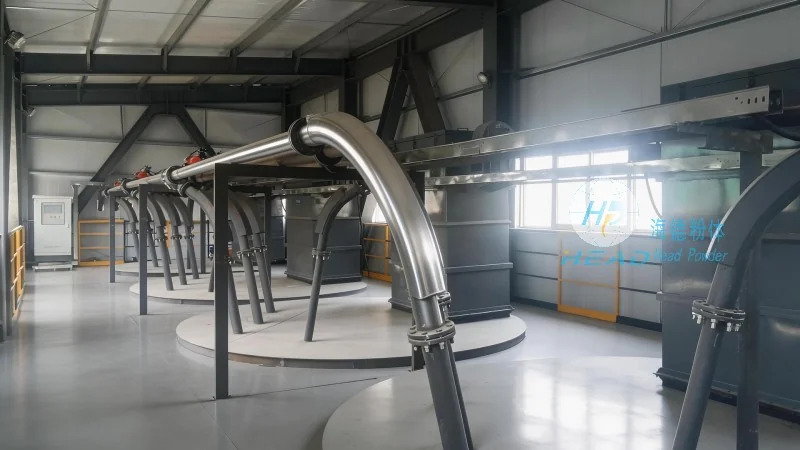
The conveying system typically consists of several core components that work in tandem to achieve seamless material transport. These include a hopper for material storage, a feeding mechanism to control the flow of granules, a conveyor belt or screw conveyor for horizontal and vertical transport, and a discharge outlet for delivering the material to the next stage of processing. The design incorporates robust materials and advanced control systems to handle the specific properties of negative electrode materials, such as their particle size, density, and moisture content. The system is built to withstand the abrasive nature of these materials and maintain consistent performance over extended operational periods. For instance, the hopper is often made of stainless steel or high-grade alloy to prevent material degradation and corrosion, while the conveyor components are equipped with wear-resistant coatings to minimize friction and extend service life.
The operation of the negative electrode material granular material conveying system follows a systematic process that ensures smooth material flow from the initial storage to the final discharge. The process begins with the loading of raw granular materials into the hopper. A feeding device, often a rotary valve or a screw feeder, regulates the amount of material released into the conveyor. The conveyor then transports the material through a series of sections, which may include inclines or declines to adjust the material's position vertically. The system's control panel monitors key parameters such as flow rate, pressure, and temperature, allowing for real-time adjustments to maintain optimal performance. As the material reaches the discharge point, it is transferred to the subsequent processing equipment, such as mixing or coating machines. The entire operation is automated, minimizing human intervention and reducing the risk of errors or material contamination. The system may also include safety features like emergency stop buttons and overload protection to ensure safe operation in industrial settings.
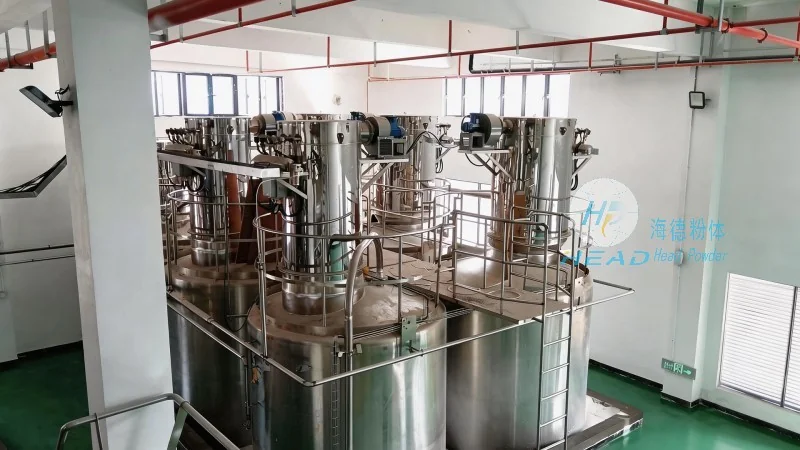
The working principle of the granular material conveying system is based on mechanical energy to move materials through a closed or semi-closed system. The primary mechanism involves the use of a conveyor belt or screw, which is driven by an electric motor. The motor rotates the conveyor, creating a continuous movement that pulls the granules along the path. In the case of a screw conveyor, the rotating screw threads lift and push the material forward, while the belt conveyor relies on friction between the belt and the material to achieve transport. The system's design incorporates features like variable speed drives and adjustable feed rates to adapt to different material characteristics and processing requirements. Additionally, the system may include dust collection and filtration systems to maintain a clean working environment and prevent material loss or environmental contamination. The control system uses sensors and feedback loops to adjust the conveyor speed and feed rate, ensuring that the material is transported at the correct rate and without blockages or overloading. This principle ensures that the material moves efficiently and consistently, meeting the demands of high-volume production lines.
The negative electrode material granular material conveying system offers several advantages that make it an essential component in battery material production. Its ability to handle abrasive and high-volume materials with minimal wear and tear reduces maintenance costs and extends the equipment's lifespan. The system's automation capabilities improve production efficiency and consistency, leading to higher quality output. Additionally, the system's design allows for easy integration with other processing equipment, such as mixers, dryers, and coating lines, creating a streamlined production line. The system is widely used in the production of lithium-ion battery negative electrode materials, including graphite, silicon, and other composite materials. It is also applicable in other industries that require the transport of granular materials, such as chemical processing and food manufacturing, where precision and reliability are critical. The system's adaptability and durability make it a preferred choice for manufacturers seeking to optimize their production processes and enhance product quality.
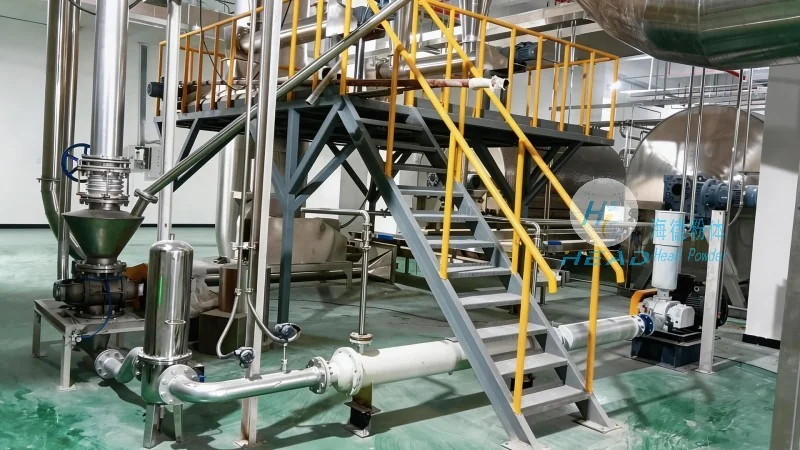
Proper maintenance is crucial to ensure the long-term performance and reliability of the negative electrode material granular material conveying system. Regular inspections of the conveyor components, such as the belt or screw, are necessary to detect signs of wear or damage. Lubrication of moving parts and cleaning of the hopper and discharge area help prevent material buildup and maintain efficient operation. The control system should be checked periodically to ensure that sensors and feedback mechanisms are functioning correctly. In addition, the system's operational parameters, such as flow rate and speed, should be adjusted based on the type and quantity of material being processed. This ensures that the system operates within its optimal range, preventing overloading or underutilization. By following these maintenance and operational guidelines, manufacturers can maximize the system's lifespan and minimize downtime, contributing to overall production efficiency.
The negative electrode material granular material conveying system is a vital piece of equipment in the battery manufacturing industry, providing efficient and reliable transport of granular materials. Engineered by Shandong HeadPowder Engineering Co., Ltd., this system combines advanced technology and robust design to meet the demanding requirements of modern battery production. Its systematic operation process and working principles ensure that materials are handled with precision, maintaining quality and consistency throughout the production line. The system's advantages, including automation, durability, and adaptability, make it an essential investment for manufacturers seeking to enhance their production capabilities and improve product quality. With proper maintenance and operational considerations, this equipment can deliver consistent performance over extended periods, contributing to the success of battery manufacturing operations.

 Shandong Headpowder Engineering Co., Ltd.
 156-6277-7102(Manager Zhang)
  0531-83386006
  Zhangqiu District, Jinan City, Shandong Province, China
telephone
WeChatconsult
top