With more than 10‑year industry experience, Shandong Headpowder delivers full‑service pneumatic‑conveying systems and blowers, undertaking nationwide turn‑key powder‑handling projects.
Shandong HeadPowder Engineering Co., Ltd., a leading enterprise in the field of pneumatic conveying technology, specializes in the design, manufacturing, and implementation of steelmaking lime pneumatic conveying systems. The company, operating under the brand name HeadPowder, has established itself as a key player in providing efficient and reliable solutions for the transportation of lime in steelmaking processes. With a focus on innovation and adherence to industrial standards, HeadPowder delivers systems that enhance operational efficiency and ensure the safe handling of materials.
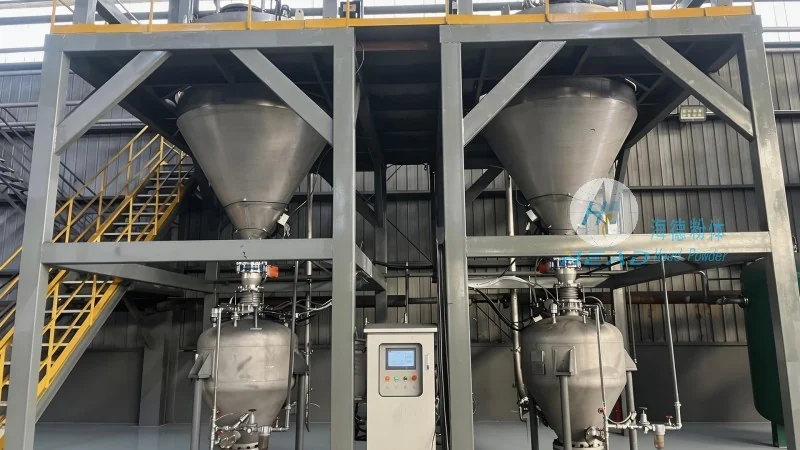
Steelmaking lime is a critical raw material used in the production of steel, playing a vital role in the desulfurization and deoxidation processes. The transportation of lime from storage to processing units is a crucial step that directly impacts the overall productivity and quality of steel production. Pneumatic conveying systems offer a highly effective method for transporting bulk materials like lime, providing advantages such as reduced labor costs, minimized material loss, and improved safety compared to traditional methods like belt conveyors or bucket elevators.
Based on the principles of air flow and material transport, steelmaking lime pneumatic conveying systems can be broadly classified into two main categories: pressure and vacuum systems. Each type has distinct characteristics and is suitable for different operational requirements.
Pressure pneumatic conveying systems utilize compressed air to push the material through the conveying line. These systems are typically used for short to medium distances and can handle a wide range of material properties. The main components of a pressure system include a positive displacement blower, a hopper for material storage, a rotary valve for material feeding, and a conveying line. The compressed air is introduced at the discharge end, creating a pressure differential that propels the material forward. Pressure systems are particularly effective for transporting lime from storage silos to the steelmaking furnace, as they can handle high material flow rates and maintain consistent pressure throughout the process.
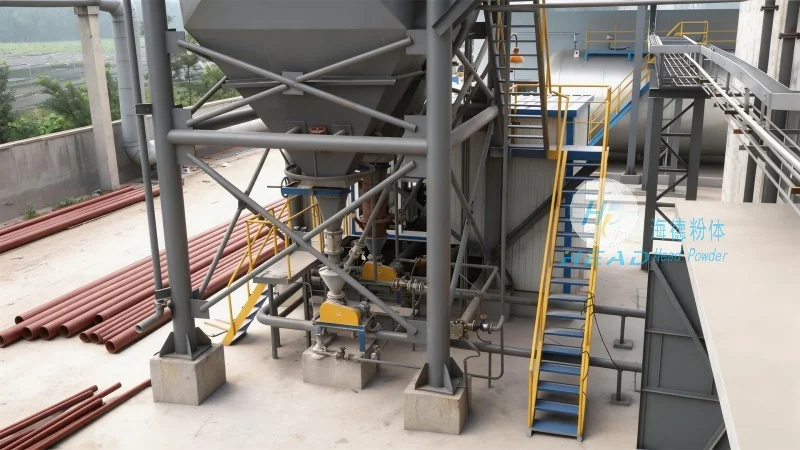
Vacuum pneumatic conveying systems, on the other hand, use a vacuum pump to draw the material into the conveying line. This method is ideal for long-distance transportation and for handling materials that are sensitive to pressure changes or for applications where the material needs to be transported from multiple sources to a single destination. The vacuum system consists of a vacuum pump, a material feed hopper, a rotary valve, and a suction line. The vacuum is created at the intake end, and the material is drawn into the line by the negative pressure. Vacuum systems are commonly used in steel plants for transporting lime from various storage locations to the processing units, ensuring a continuous and controlled flow of material.
Within these main categories, further classifications can be made based on the type of air flow and the material handling method. For instance, pressure systems can be divided into dense-phase and dilute-phase systems. Dense-phase systems operate at higher air-to-material ratios, resulting in a slower, more controlled flow of material, which is beneficial for preventing material degradation and ensuring accurate dosing. Dilute-phase systems, conversely, operate at lower air-to-material ratios, allowing for higher material velocities and shorter conveying distances. The choice between dense-phase and dilute-phase systems depends on the specific requirements of the steelmaking process, such as the material's particle size, moisture content, and the desired conveying distance.
The effectiveness and reliability of a pneumatic conveying system for steelmaking lime depend on the proper selection and integration of its key components. Each component plays a critical role in ensuring the smooth operation of the system and the safe handling of the material.
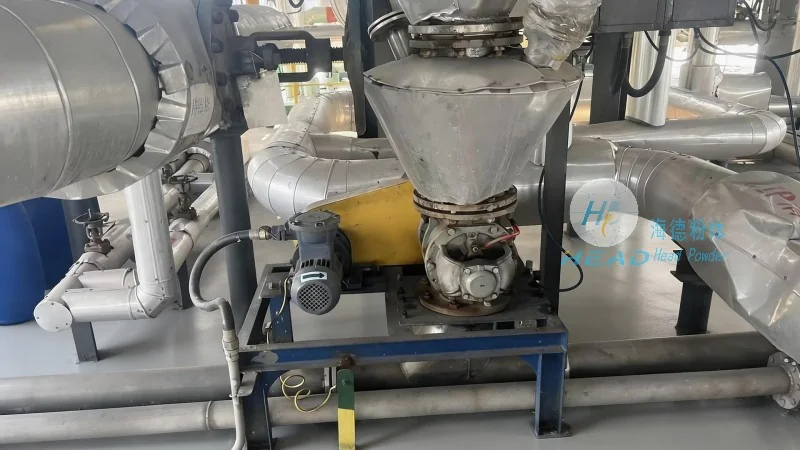
Firstly, the material feed system is essential for controlling the flow of lime into the conveying line. Rotary valves are commonly used for this purpose, as they provide a precise and consistent material feed rate. These valves can be designed to handle different material properties, such as high moisture content or abrasive particles, ensuring reliable operation. The hopper, where the lime is stored before being fed into the system, must be designed to prevent material bridging and ensure uniform material flow. Proper hopper design, including the use of internal baffles or vibrators, can help maintain consistent material levels and prevent blockages.
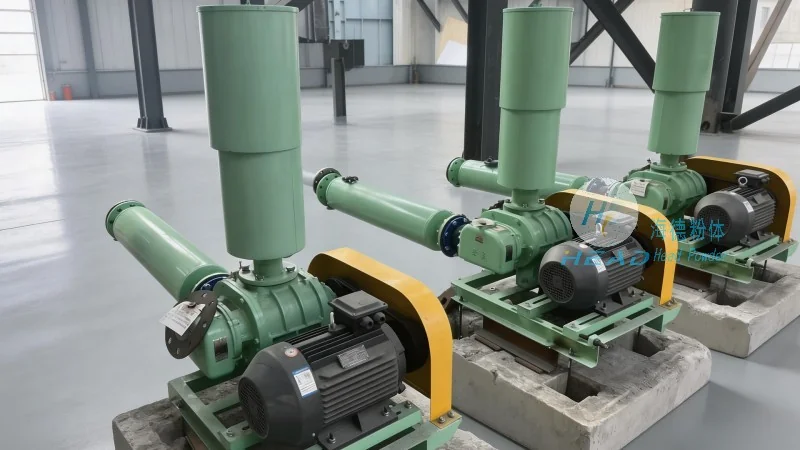
Secondly, the air handling unit, which includes the blower or vacuum pump, is a critical component that determines the system's performance. The choice of air mover depends on the system type (pressure or vacuum) and the required air volume and pressure. Positive displacement blowers are often used in pressure systems, as they provide a stable and high-pressure air flow. In vacuum systems, rotary vane or liquid ring vacuum pumps are commonly employed. The air handling unit must be sized appropriately to meet the system's requirements, ensuring sufficient air flow to transport the lime without causing excessive energy consumption.
Thirdly, the conveying line and associated fittings are crucial for maintaining the integrity of the material during transport. The material is typically transported in a dilute or dense phase, depending on the system design. The line must be constructed from materials that are resistant to corrosion and wear, such as stainless steel or high-grade alloys, to withstand the abrasive nature of lime particles. Proper line sizing and the use of smooth bends and elbows are essential to minimize pressure losses and prevent material degradation. The inclusion of filters and cyclones in the system helps to separate the material from the air, allowing for the recycling of the air and the collection of the material for reuse.
Finally, the control and monitoring systems are vital for ensuring the safe and efficient operation of the pneumatic conveying system. These systems typically include sensors for monitoring pressure, flow rate, and material level, as well as control valves and actuators for regulating the system's operation. Advanced control systems can provide real-time data on the system's performance, allowing for immediate adjustments to maintain optimal operation. The integration of safety features, such as pressure relief valves and emergency shut-off systems, is also essential to prevent accidents and ensure the safety of personnel and equipment.
The application of pneumatic conveying systems for steelmaking lime varies depending on the specific requirements of the steel plant and the characteristics of the lime being transported. The following are some common applications where these systems are utilized:

 Shandong Headpowder Engineering Co., Ltd.
 156-6277-7102(Manager Zhang)
  0531-83386006
  Zhangqiu District, Jinan City, Shandong Province, China
telephone
WeChatconsult
top