With more than 10‑year industry experience, Shandong Headpowder delivers full‑service pneumatic‑conveying systems and blowers, undertaking nationwide turn‑key powder‑handling projects.
HeadPowder, a leading manufacturer based in Shandong, China, specializes in the design and production of pneumatic conveying equipment for cement and other bulk materials. This article explores the working principle and key features of cement material pneumatic conveyors, highlighting how these systems efficiently transport powders and granules in industrial applications.
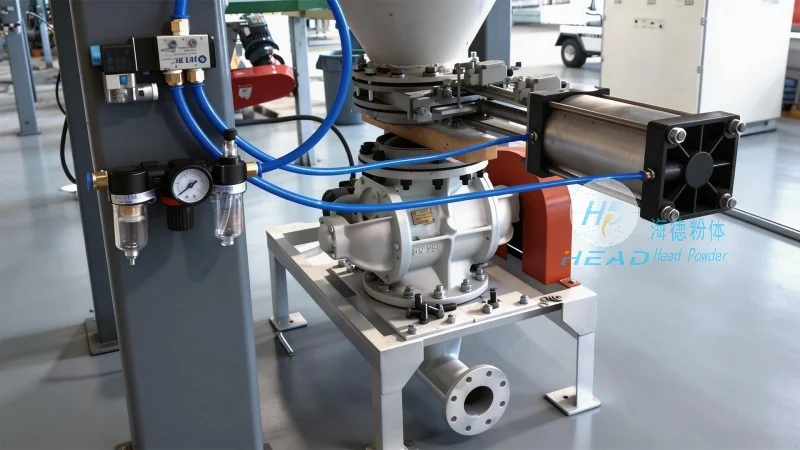
Cement material pneumatic conveying systems operate by using a combination of air flow and pressure to move bulk materials from a source to a destination. The core mechanism involves creating a pressure differential or using suction to draw material into a pipeline. There are primarily two types of pneumatic conveying systems: pressure and vacuum systems, each with distinct operational characteristics suitable for different material handling scenarios.
In pressure systems, a positive pressure is generated at the material inlet, pushing the material through the pipeline. This method is ideal for transporting materials over longer distances or to multiple destinations. The system typically includes a blower or compressor that supplies compressed air, a hopper to store the material, and a conveying line. The material is fed into the line via a rotary valve or feeder, and the air flow propels it forward. Pressure systems are commonly used in cement plants for transporting raw materials, clinker, and finished cement products.
Vacuum systems, on the other hand, create a negative pressure at the material outlet, drawing material from the source. This approach is suitable for short-distance or low-volume transport, often used in applications where the material needs to be collected from multiple points. The system consists of a vacuum pump, a hopper, and a suction line. The material is drawn into the line by the vacuum created by the pump, and the air flow carries it to the destination. Vacuum systems are frequently employed in smaller-scale operations or for handling fine powders that might be prone to dusting.
Both systems rely on the principle of fluidization, where the material particles are suspended in the air stream, allowing them to move through the pipeline without direct contact with the equipment. This fluidization process ensures minimal wear and tear on the conveying line and reduces the risk of material degradation. The design of the system, including the size of the pipeline, the air velocity, and the material feed rate, is critical to achieving efficient and reliable transport.
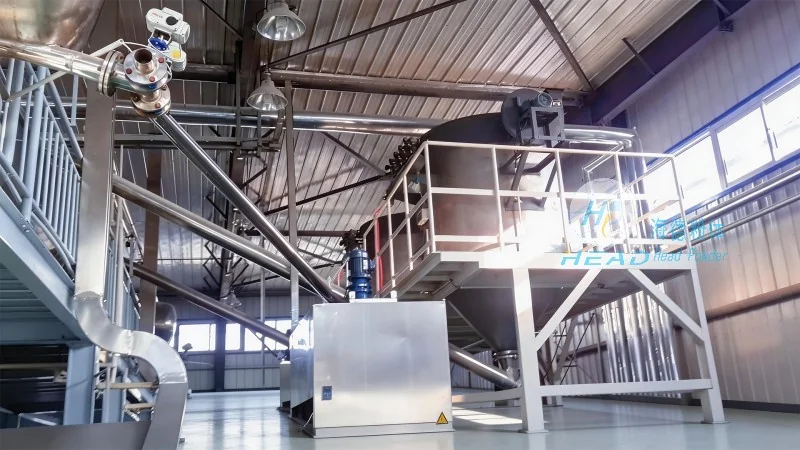
The features of cement material pneumatic conveyors are tailored to meet the specific demands of industrial cement processing. These systems are designed to handle the abrasive and fine nature of cement, ensuring durability and consistent performance. Some of the key features include:
1. Durable Construction: The equipment is constructed from high-quality materials, such as stainless steel or corrosion-resistant alloys, to withstand the harsh conditions of cement handling. The pipelines and components are engineered to resist wear from abrasive particles, extending the service life of the system. This durability reduces maintenance costs and ensures continuous operation in demanding environments.
2. Efficient Material Handling: Pneumatic conveyors offer high throughput rates, allowing for the rapid transport of large volumes of cement. The systems can handle various particle sizes and moisture levels, making them versatile for different cement types, including Portland cement, slag cement, and fly ash. The ability to transport materials without the need for mechanical components minimizes the risk of material contamination and ensures product integrity.
3. Low Maintenance Requirements: Compared to traditional mechanical conveyors, pneumatic systems have fewer moving parts, reducing the need for frequent maintenance. The absence of belts, chains, or gears eliminates the risk of mechanical failure and simplifies routine checks. This results in lower operational costs and higher system reliability, which is crucial for continuous production in cement plants.
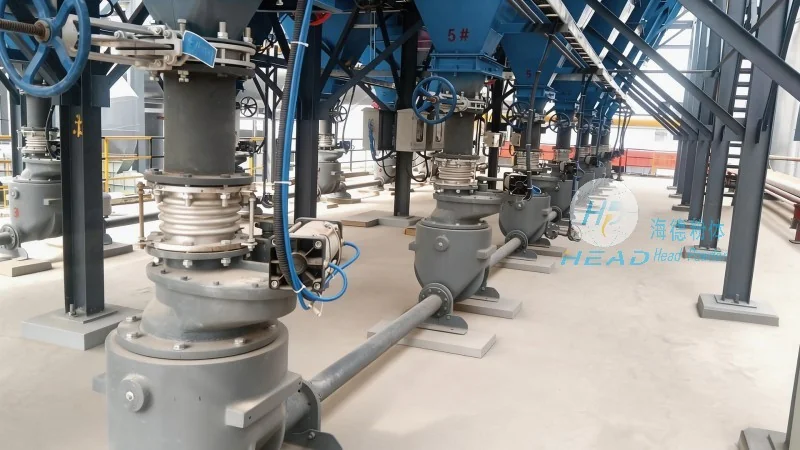
4. Flexible Installation: Cement material pneumatic conveyors can be installed in various configurations, including vertical, horizontal, or a combination of both. This flexibility allows for adaptation to existing plant layouts and space constraints. The systems can be integrated with other processing equipment, such as storage silos, mixers, and packaging machines, creating a seamless material flow. The modular design of the equipment enables easy expansion or modification as production needs change.
5. Environmental Benefits: Pneumatic conveying systems are designed to minimize dust emissions and improve air quality. The enclosed pipeline system prevents dust from escaping into the environment, reducing the risk of contamination and improving workplace safety. This is particularly important in cement plants, where dust can be a significant health hazard. Additionally, the efficient air flow reduces energy consumption compared to other transport methods, contributing to lower operational costs and a smaller environmental footprint.
Cement material pneumatic conveyors are widely used in various stages of cement production and processing. They are essential for transporting raw materials such as limestone, clay, and iron ore from storage silos to the grinding mills. The systems also play a critical role in moving clinker from the kiln to the cement silos, ensuring a smooth flow of finished products. In addition, pneumatic conveyors are used for transporting additives like fly ash and slag cement, which are blended with clinker to produce different types of cement.
The versatility of these systems makes them suitable for both new plant installations and retrofitting existing facilities. They can be integrated into existing production lines to improve efficiency and reduce downtime. The ability to handle different material characteristics, such as varying particle sizes and moisture content, makes them a reliable choice for cement manufacturers looking to optimize their material handling processes.

 Shandong Headpowder Engineering Co., Ltd.
 156-6277-7102(Manager Zhang)
  0531-83386006
  Zhangqiu District, Jinan City, Shandong Province, China
telephone
WeChatconsult
top