With more than 10‑year industry experience, Shandong Headpowder delivers full‑service pneumatic‑conveying systems and blowers, undertaking nationwide turn‑key powder‑handling projects.
Pneumatic conveying systems are crucial for the efficient and safe handling of powdered medicines in pharmaceutical manufacturing. These systems utilize air or gas to transport powders from one location to another, offering advantages such as reduced contamination, improved product quality, and enhanced operational flexibility. For companies in the pharmaceutical industry, selecting the right type of pneumatic conveying system is essential to meet regulatory standards and optimize production processes.
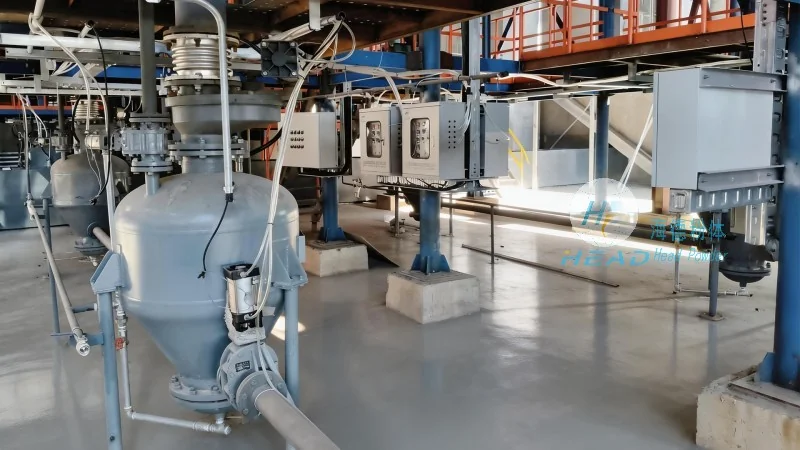
There are primarily two main categories of pneumatic conveying systems used for powdered medicines: positive pressure systems and negative pressure (or vacuum) systems. Each type has distinct characteristics that make it suitable for different operational requirements and material properties.
Positive pressure systems operate by blowing air or gas into the conveying line, creating a pressure higher than the ambient environment. This method is highly effective for transporting powders over longer distances and through complex piping networks. Key features of positive pressure systems include high conveying capacity, ability to handle abrasive or sticky powders, and reduced risk of product degradation due to minimal contact with system components. The system typically includes a blower, a hopper for material storage, and a discharge point where the powder is released. Positive pressure systems are commonly used in large-scale pharmaceutical production facilities where bulk material handling is required.
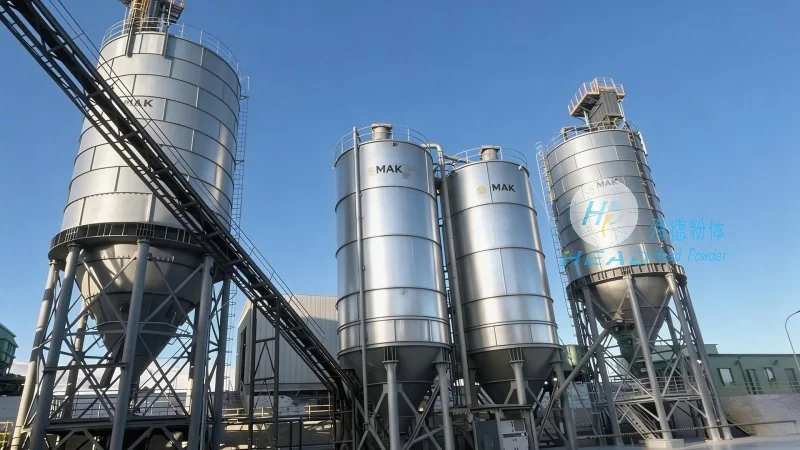
Negative pressure systems, on the other hand, create a vacuum in the conveying line, drawing the powder from the source into the system. This approach is ideal for applications where the material needs to be transported from a lower elevation or where the process requires a closed system to prevent dust emissions. Negative pressure systems are often preferred for handling sensitive or hygroscopic powders, as they minimize exposure to air and moisture. The system comprises a vacuum pump, a collection hopper, and a discharge unit. These systems are commonly employed in smaller-scale operations or for materials that are prone to caking or agglomeration.
Hybrid systems combine elements of both positive and negative pressure methods, offering flexibility in handling a wide range of powder characteristics. These systems can switch between positive and negative modes depending on the operational needs, making them suitable for variable production environments. The hybrid approach allows for efficient transport of both fine and coarse powders, as well as materials with different flow properties. This versatility makes hybrid systems a popular choice for pharmaceutical manufacturers dealing with diverse product lines.
Regardless of the system type, several critical features are essential for ensuring compliance with pharmaceutical industry standards. These include:
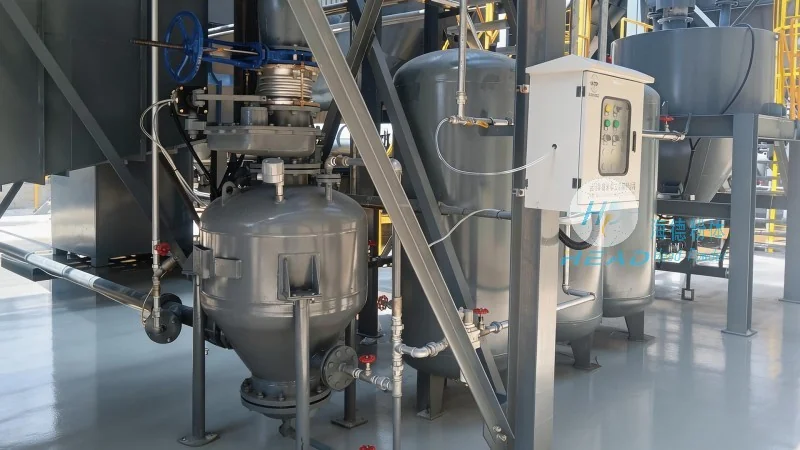
These features are vital for maintaining product integrity and meeting regulatory requirements such as those set by the FDA and GMP (Good Manufacturing Practice) guidelines.
Pneumatic conveying systems are widely applied across various stages of pharmaceutical manufacturing. Some common applications include:
In each of these applications, the choice of system type depends on factors like material properties, distance to be covered, and the scale of production. For instance, a large-scale manufacturing plant might opt for a positive pressure system to handle bulk quantities of raw materials, while a smaller facility producing specialized pharmaceuticals might use a negative pressure system for its precision and cleanliness.
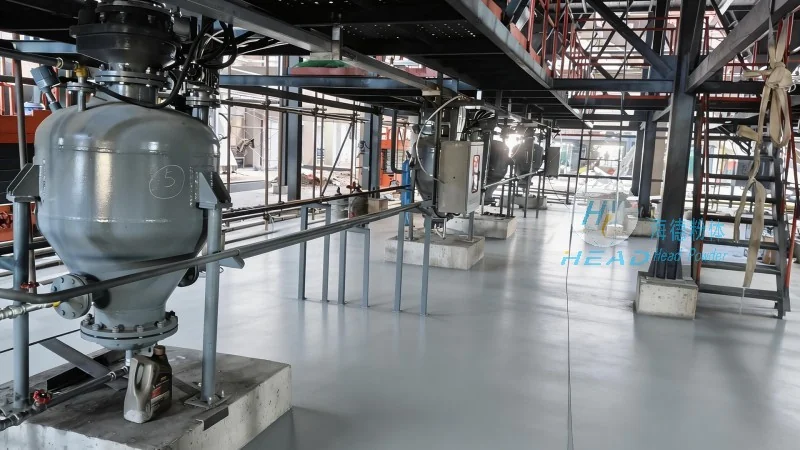
Shandong HeadPowder Engineering Co., Ltd., commonly known as HeadPowder, is a leading provider of pneumatic conveying solutions tailored for the pharmaceutical industry. With a focus on innovation and adherence to industry standards, HeadPowder offers a range of customized systems designed to meet the unique needs of medicinal powder handling. The company’s expertise lies in developing efficient, sanitary, and reliable conveying systems that enhance production efficiency while ensuring product safety and compliance. HeadPowder’s solutions are engineered to handle a variety of powder characteristics, from fine, sensitive powders to coarse, abrasive materials, making them suitable for diverse pharmaceutical applications.
Pneumatic conveying systems play a pivotal role in modern pharmaceutical manufacturing, enabling the safe and efficient transport of powdered medicines. By understanding the different types, features, and application ranges of these systems, manufacturers can select the most appropriate solution to optimize their operations. Whether using positive pressure, negative pressure, or hybrid systems, the key is to ensure that the chosen system aligns with the material properties, production scale, and regulatory requirements. Companies like Shandong HeadPowder Engineering Co., Ltd. continue to advance the technology, providing tailored solutions that enhance productivity and maintain the highest standards of product quality in the pharmaceutical sector.

 Shandong Headpowder Engineering Co., Ltd.
 156-6277-7102(Manager Zhang)
  0531-83386006
  Zhangqiu District, Jinan City, Shandong Province, China
telephone
WeChatconsult
top